Strengthening Governance: Mechanisms For Fostering Collaboration Among Governors, Deputy Governors, And MCAs In Kenya

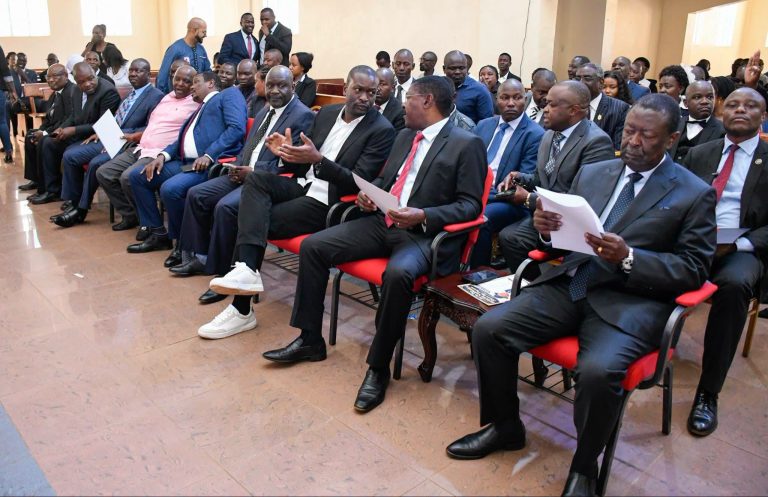
Council of Governors chair Anne Waiguru and committee chairpersons

By: James Kilonzo Bwire
In Kenya, the relationship between governors, deputy governors, and Members of County Assemblies (MCAs) is pivotal for effective governance and development. However, political squabbles and misunderstandings often hinder collaboration, leading to inefficiencies and stalled projects. To foster a harmonious working environment, several mechanisms can be implemented to improve these relationships.
One of the most critical steps in fostering a good working relationship is the clear delineation of roles and responsibilities. Amending the County Governments Act to mandate governors to assign specific roles and portfolios to their deputies can significantly reduce conflicts and supremacy battles. By defining these responsibilities, both governors and deputy governors can work together more effectively, minimizing misunderstandings and enhancing accountability.
Enhancing intergovernmental relations between the national government, county governments, and county assemblies is essential. Regular consultations and co-decision-making processes can align administrative and governmental systems, ensuring that all parties are on the same page. This collaborative approach fosters a sense of shared purpose and encourages open communication, which is vital for addressing grievances before they escalate into serious disputes.
Investing in capacity building and peer learning is another effective mechanism for improving relationships among county leaders. By documenting and recognizing success stories of county management, local leaders can learn from each other’s experiences. The national government can support this initiative through policy direction, legislative frameworks, and technical assistance, ultimately leading to more effective governance.
While formal intergovernmental relations are important, informal collaboration should not be overlooked. Encouraging platforms such as the County Assemblies Forum (CAF) allows MCAs and governors to consult, share experiences, and learn best practices from one another. These informal interactions can strengthen relationships and foster a collaborative spirit that benefits the entire county.
Political leaders must prioritize unity and collaboration over division. By setting aside personal and party differences, governors, deputy governors, and MCAs can work together for the greater good of their constituents. Partnerships between leaders from different political parties can serve as a model for fostering stability and progress, demonstrating that collaboration is essential for effective governance.
Public participation in governance is crucial for building trust and accountability. When constituents have a say in development priorities, it reduces tensions over project allocations and ensures that funds are directed toward the community’s needs. Regular public forums, town hall meetings, and online platforms can be utilized to gather input from citizens, fostering a sense of ownership and collaboration among all stakeholders.
Establishing bipartisan committees within county assemblies to oversee major projects can ensure that all political factions have a voice in decision-making. This inclusivity helps build consensus and reduces the likelihood of partisan conflicts. By involving members from different political parties, these committees can ensure that diverse perspectives are represented, leading to more equitable and effective governance.
Implementing structured conflict resolution mechanisms, such as mediation or arbitration, can help address disputes amicably before they escalate. Both parties should be willing to engage in mediation facilitated by neutral third parties, such as respected community leaders or legal experts. This proactive approach can help maintain a positive working relationship and prevent political squabbles.
Regular training and capacity-building initiatives for both MCAs and governors on governance, negotiation, and conflict management can significantly improve their working relationships. Workshops, seminars, and mentorship programs can equip leaders with the necessary skills to navigate political challenges and foster a collaborative atmosphere.
Promoting accountability and transparency within county governments is essential for building trust among leaders. Regular audits, public reporting, and open communication about decision-making processes can help ensure that all parties are held accountable for their actions. This transparency fosters a culture of trust and collaboration, essential for effective governance.
A supportive legislative framework that clearly defines the roles and responsibilities of governors, deputy governors, and MCAs can help minimize misunderstandings and conflicts. By ensuring that there is no overlap or ambiguity in authority, this framework can facilitate smoother governance and enhance cooperation among county leaders.
Regular meetings between governors, deputy governors, and MCAs can provide a platform for discussing key issues, addressing grievances, and brainstorming solutions. These meetings can help foster open communication and collaboration, ensuring that all parties are aligned in their goals and objectives.
Recognizing and celebrating the achievements of county leaders can foster goodwill and encourage collaboration. By acknowledging the contributions of governors, deputy governors, and MCAs, counties can create a positive working environment that promotes teamwork and collective success.
Encouraging leaders to engage with their communities can strengthen relationships and foster a sense of shared purpose. By actively participating in community events and initiatives, governors, deputy governors, and MCAs can build trust and rapport with their constituents, ultimately leading to more effective governance.
Establishing mentorship programs where experienced leaders guide newcomers can help foster a collaborative atmosphere. By providing support and guidance, seasoned leaders can help their colleagues navigate the complexities of governance, ultimately leading to stronger working relationships.
Financial constraints often hinder the effectiveness of county governments and can lead to conflicts between leaders. Ensuring that deputy governors have access to budgets and resources to carry out their functions can help alleviate tensions and promote collaboration. This financial support is essential for empowering leaders to fulfill their roles effectively.
Inclusivity in decision-making processes is vital for fostering good working relationships. By ensuring that all voices are heard and considered, counties can build consensus and reduce the likelihood of conflicts. This approach encourages collaboration and strengthens the bonds between governors, deputy governors, and MCAs.
Fostering good working relationships between governors, deputy governors, and MCAs is essential for effective governance and the success of devolution in Kenya. By implementing these mechanisms, counties can build strong, cooperative relationships that enhance service delivery, public participation, and overall development. Addressing the root causes of conflicts and promoting collaboration is crucial for realizing the full potential of devolution and improving the lives of Kenyans.
James Kilonzo Bwire is a Media and Communication practitioner.
Similar Posts by The Mt Kenya Times:
- Tax relief for Kenyans: Will more money in our pockets make life easier?
- Poisoned bottle: Are we drinking ourselves into early graves?
- How Kenya and South Africa constitutionalized concentration while preaching the gospel of the disadvantaged
- Discipline begins at home
- Onana escapes serious injury in three-car crash
About the Author