Wamalwa Criticizes ODM Leaders For Downplaying President Ruto’s Achievements
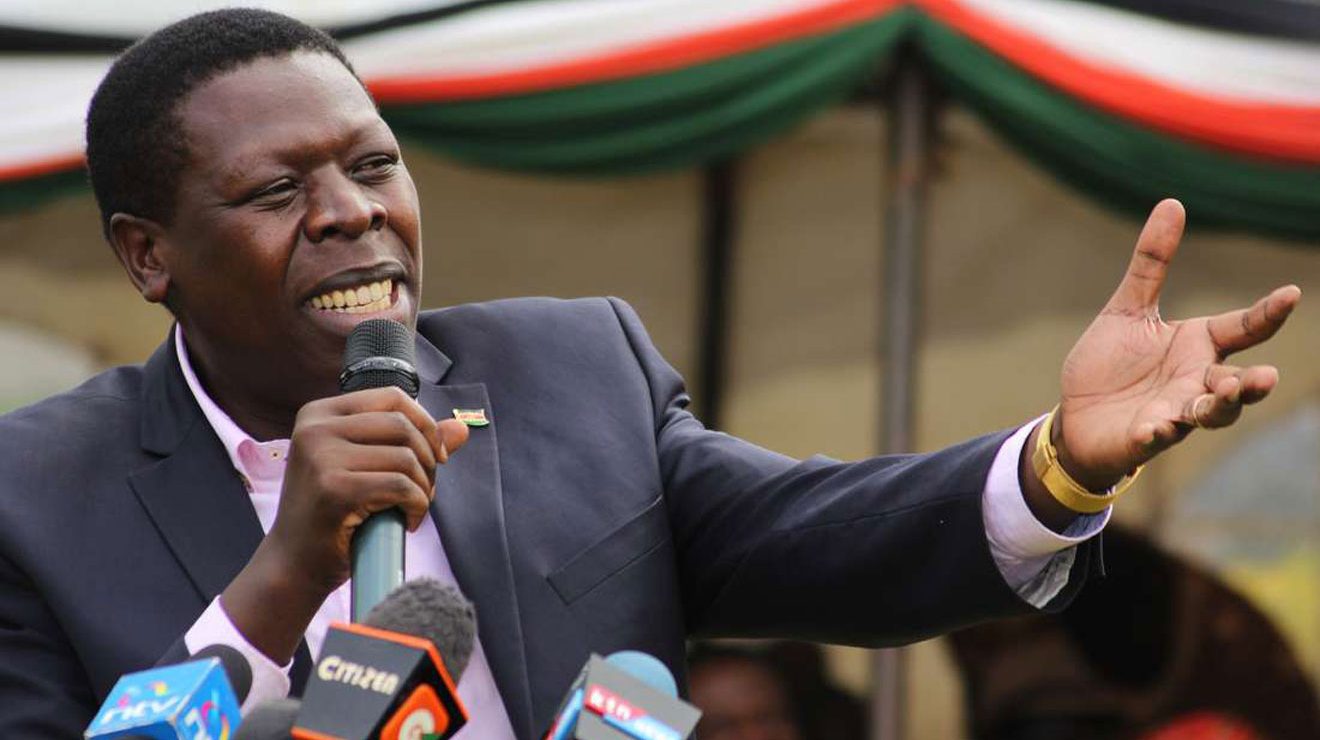
DAP-K leader Eugene Wamalwa

By: James Kilonzo Bwire
Democratic Action Party (DAP-K) leader Eugene Wamalwa has taken issue with some ODM leaders for allegedly sugarcoating President William Ruto’s administration and downplaying its achievements. Speaking in Bungoma, Wamalwa accused ODM leaders of being disingenuous in their assessment of the Kenya Kwanza government’s performance, particularly regarding development projects and appointments from the Western region.
“Some ODM leaders are not being truthful when they claim that the Western region has not received its fair share of appointments and development projects from the Ruto administration,” Wamalwa stated. He argued that while there is always room for improvement, the region has already benefited significantly from the current government.
Wamalwa’s remarks come amid ongoing bipartisan talks between the government and the opposition, where the high cost of living has been a key agenda item. The former CS maintained that ODM leaders should acknowledge the positive strides made by the Ruto administration instead of constantly criticizing it. He urged the opposition to engage constructively with the government to address the challenges facing Kenyans, rather than resorting to political grandstanding.
His statement underscores the growing tensions between the ruling Kenya Kwanza coalition and the opposition Azimio la Umoja, as both sides jostle for political relevance and public support. Wamalwa’s comments reflect a broader dissatisfaction within the opposition ranks, particularly regarding the actions of ODM leaders who have joined the government.
In recent weeks, Wamalwa has been vocal about the perceived betrayal within the Azimio coalition, particularly criticizing ODM members who have accepted positions in Ruto’s cabinet. He argues that this undermines the coalition’s integrity and its commitment to opposing the government. Wamalwa’s frustrations mirror the sentiments of many within the opposition who feel that their leaders are compromising their principles for political gain.
The former CS’s criticisms are not isolated. Other Azimio leaders have also expressed concerns about the direction of the coalition, particularly after Raila Odinga’s admission of his role in stabilizing Ruto’s administration amid protests. This admission has fueled speculation about the future of the opposition and its ability to effectively challenge the government.
Wamalwa’s remarks come at a time when the opposition is facing internal strife, with some leaders calling for a reevaluation of their strategies. The Democratic Action Party of Kenya (DAP-K), which Wamalwa leads, is reportedly considering its position within the coalition, citing a lack of direction and unity among its members.
During a recent interview, Wamalwa lamented that the ODM’s actions have created irreconcilable differences within the coalition. He stated, “Kenyans are saying that this government must go, but some of our partners are saying it has to stay. Those are irreconcilable differences which are grounds for a divorce.” This statement highlights the growing rift within the opposition and raises questions about its future cohesiveness.
Wamalwa has also criticized Deputy President Rigathi Gachagua for suggesting that the Western region has received adequate representation in government. He countered Gachagua’s claims, stating that the region encompasses five counties, and the appointments made thus far do not reflect the promised 30 percent representation.
In the ongoing bipartisan talks, Wamalwa emphasized that the high cost of living remains a critical issue that must be addressed. He argued that dismissing this concern undermines the struggles faced by ordinary Kenyans, who are grappling with rising prices and economic challenges. His insistence on discussing this topic reflects a commitment to addressing the pressing needs of the populace.
As the political landscape evolves, Wamalwa’s criticisms of ODM leaders and the Ruto administration will likely resonate with many Kenyans who feel disillusioned by the current state of politics. His call for accountability and transparency in governance aligns with a growing demand for effective leadership that prioritizes the needs of the people.
Amidst these tensions, Wamalwa’s position as a prominent figure in the opposition may be tested as he navigates the complexities of party politics. His ability to maintain support within his party while challenging ODM leaders will be crucial as the political climate continues to shift.
Wamalwa’s leadership within DAP-K has also been marked by efforts to solidify the party’s presence in the political arena. He has been actively engaging with constituents and advocating for issues that resonate with the electorate, including economic empowerment and infrastructural development.
His commitment to the Western region’s development is evident in his calls for increased government investment and representation. Wamalwa has been vocal about the need for equitable resource allocation to ensure that the region does not lag behind in national development.
As the DAP-K party leader, Wamalwa has also focused on strengthening party structures and mobilizing grassroots support. His efforts to popularize the party in Western Kenya have been met with enthusiasm, as many constituents seek alternatives to the traditional political parties.
Wamalwa’s criticisms of ODM leaders are part of a broader strategy to position DAP-K as a viable alternative within the opposition coalition. By highlighting the shortcomings of ODM, he aims to attract disillusioned voters who are seeking new leadership that prioritizes accountability and development.
In conclusion, Eugene Wamalwa’s criticisms of ODM leaders for downplaying President Ruto’s achievements reflect a broader struggle within the opposition coalition. As tensions rise and allegiances shift, Wamalwa’s call for constructive engagement and accountability may serve as a guiding principle for those seeking to navigate the complexities of Kenyan politics. The future of the opposition hinges on its ability to unite and effectively address the concerns of the electorate, a challenge that Wamalwa is keenly aware of as he advocates for change.
James Kilonzo Bwire is a Media and Communication practitioner.
Similar Posts by The Mt Kenya Times:
- Mt Kenya Times ePAPER August 27, 2026
- Opposition will have a candidate by April, says Gachagua
- Kalonzo takes his campaign to the people across three counties
- Kenya’s election technology tender: A KSh10B procurement under fire
- The goon question: What Ruto’s vow to act personally really means for Kenya
About the Author