The Mt Kenya Times
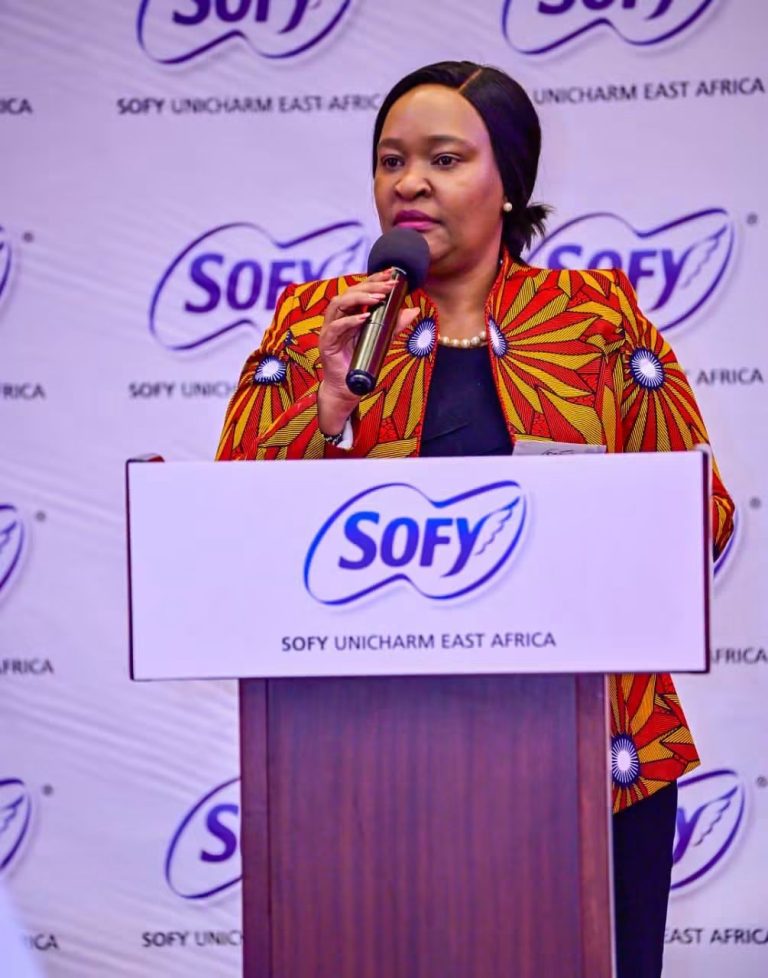
Margaret Karangatha Kingdom bank Chairlady of the Board
By Raphael Ndakala Atanda
There is need of empowering women to gain influence and equal opportunities to pursue their personal, social and economic endeavours (as men), so that they may participate fully in society (just like men) to be at par with them. We need to challenge impediments that curtail chances and even control over their own lives.
The question is, how can we create a more equitable society which enables women to have freedom to make their own choices and achieve full potential? We need to give them power to decide, remove barriers that prevent their growth and offer same rights, opportunities and influence, as men.
Studies reveal that women have less autonomy control than men. When we empower women, they participate in decision-making that has more positive outcomes for not only themselves but also for their institutions, families and wider communities. Women empowerment fosters diversity (gender equity) and makes organizations more inclusive, driving innovation and organizational effectiveness.
Generation.org says, Women are unique. They will bring unique perspectives and approaches that will lead to innovative solutions and better decision-making in the workplace.”
Women in leadership positions bring diverse perspectives, foster collaboration and in fact improves overall performance. It is in fact said that companies that have increased female representation in leadership roles have more inclusive systems and are more likely to experience increased profitability.
Men and women have potential different leadership styles. Men are directive and task-oriented while women tend to be more collaborative, participatory and inter-personal. Men, for example, will focus on achieving goals and directing their teams towards them. They are autocratic, make decisions independently and focus on clear expectations and rewards. They prioritise individual performance and achieving organizational goals and are, of course more assertive and competitive. This is according to a research by ResearchGate. Men focus on accomplishing tasks, implementing structure and establishing power.
On the other hand, women adopt collaborative and participatory leadership, involving their team and fostering a sense of shared responsibility. They also support emotional needs or their teams and may leverage their empathy and emotional intelligence to build strong relationships. ResearchGate adds that women embrace transformational leadership which embraces inspiring and motivating teams to achieve shared vision. Women are equally interested in fostering a positive work environment for their teams. Women focus on caring for the team, motivating them, listening to their ideas and solving their problems. That is why it is important to increase the number of women on the table.
Back home, Kenyan women are increasingly booking their spaces at the table, with many running their own business, taking leadership roles in the society and getting up the corporate ladder. We are not saying that women should be given positions but that they should fold their sleeves and step up. Don’t they say that what a man can do a woman can do better!
At the workplace, there need to be processes that will enable women to have equal opportunities in all aspects – career development pay equity, and freedom from discrimination and harassment. Organizations need to create an environment where women can thrive and contribute fully on equal footing with men.
Equal opportunity and inclusion means that hiring, training and promotion policies do not discriminate against women. Leadership and decision-making means that women are represented in leadership positions and their voice is heard when decisions are being made. Career development means that women have access to resources that will allow them advance their careers – mentorship, coaching and opportunities to take up challenging roles. Pay equity means that there is equal pay for equal work and that there is transparency in pay structure.
Organizations should have a culture that does not allow any gender-based discrimination, harassment and violence. Work-life balance policies should also exist to support women on balancing their work and personal life – flexible work plans, paid parental leave and child care support. The environment should be free from hazards and risks. Women should have access to acquisition of skills to make them succeed and lastly they need to be rewarded and recognized for their contributions, achievements and leadership to keep them motivated.
In conclusion, just like men, women need education, training, awareness, literacy, equal status to succeed. Organizations need to equip women with resources, opportunities and confidence needed to achieve their goals. We need to accept their viewpoints, make them gain or acquire power and control, allow them to challenge existing power structures which subordinate them, remove constraints that impede their abilities and offer equal opportunity!
Raphael Atanda works at Car & General (Kenya) Plc as Head of Communications
raphael.atanda@cargen.com
Similar Posts by The Mt Kenya Times:
- Mt Kenya Times ePAPER October 17-18, 2026
- Ruto bets billions on Kerio Valley — with one eye on 2027
- Ruto’s health ministry kills Murang’a’s digital hospitals
- Kenya bets on Mount Kenya to drive a billion-shilling tourism revival
- Do you have a wealth vision? Or are you just working until you die?
About the Author