The Decline of African Cultural Identity: Western Influence and the Diminishing of Traditions
 The Mt Kenya Times
By: Silas Mwaudasheni Nande
Introduction
Across African ethnic groups, the erosion of traditional values, customs, taboos, norms, and artistic expressions has become increasingly apparent. As the continent modernizes, cultural identity faces mounting challenges from Western education, media, and globalization. Today’s younger generations often perceive indigenous traditions as outdated or even pagan, favoring Western ideologies and lifestyles. This shift has deeply impacted African society, from the way marriages are conducted to the loss of communal traditions that once defined the continent’s rich heritage. The prevalence of white weddings, celebrated with grandeur while traditional African ceremonies are dismissed as naive and satanic in nature, further reflects how African culture is being overwritten. As this transformation accelerates, it is critical to ask: what are the long-term consequences of Africa’s cultural shift, and how can tradition coexist with modernization without being discarded?
The Historical Context of African Culture
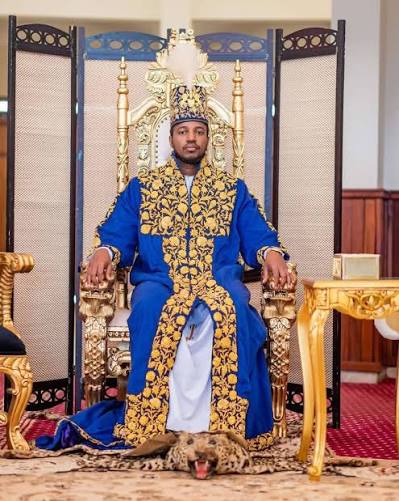
African societies have historically been built on strong communal values, with traditions serving as the foundation for social order, identity, and generational continuity. Cultural customs dictated rites of passage, marriage, governance, and even conflict resolution. Whether through oral storytelling, dance, or rituals, indigenous knowledge systems preserved history and ethics for centuries. Each ethnic group had distinct customs, yet they shared a universal reverence for community and ancestry. These traditions fostered deep respect for elders, collective decision-making, and spiritual practices that were central to daily life. However, colonialism disrupted this structure, imposing Western ideologies that displaced indigenous knowledge and institutions. The introduction of foreign religions, educational systems, and governance models gradually weakened Africa’s self-sufficiency, forcing traditional customs into the margins.
The Role of Western Education and Media
Western education has been one of the primary drivers of cultural transformation, reshaping how younger generations perceive their heritage. African students are often taught from a curriculum that prioritizes Western historical perspectives while minimizing indigenous knowledge. Subjects related to traditional African medicine, folklore, or governance are either absent or reduced to footnotes in academic discourse. Consequently, young Africans grow up learning about Shakespeare, Newton, and Plato while remaining unaware of their own ancestors’ contributions to philosophy, medicine, or governance. This bias reinforces the misconception that African culture is inferior or irrelevant in modern society.
Media further accelerates this shift, promoting Western ideals as aspirational while portraying African customs as backward. Hollywood’s depiction of Africa often centers on poverty or war, neglecting the continent’s rich traditions and intellectual heritage. Western influence in fashion, entertainment, and lifestyle convinces many young Africans that success means adopting foreign customs rather than embracing their own. The impact is visible in everyday life; where English or French are preferred over indigenous languages, and traditional attire is replaced with Western fashion. Over time, this immersion in external ideals results in a loss of cultural pride, with African identity being reshaped to fit Western standards.
Decline in Traditional Practices and Customs
The diminishing of traditional African rites of passage is a glaring example of cultural erosion. Once considered crucial milestones, ceremonies marking adulthood, marriage, and leadership selection are vanishing, replaced by Western conventions that do not align with African communal values. Young people increasingly favor foreign engagement and wedding traditions over indigenous matrimonial customs. Parents who once arranged marriages within clans based on lineage and compatibility now struggle as their children prioritize Western-style unions, dismissing traditional matchmaking as outdated. Similarly, initiation rites, which once prepared young men and women for adulthood, are now either abandoned or viewed as unnecessary, satanic, and lacking democracy of the right to choose a partner.
Furthermore, African taboos and spiritual beliefs, once essential to moral and ethical teachings, are now ridiculed or rejected outright. Beliefs in ancestral guidance and respect for sacred lands are dismissed as superstition, replaced by rigid Western doctrines that fail to acknowledge indigenous wisdom. While modernization has undoubtedly improved access to education and healthcare, it has also encouraged a rejection of African identity, leaving younger generations disconnected from practices that once sustained communal harmony.
The Influence of White Weddings Over Traditional Marriages
One of the most visible signs of cultural transformation is the rise of Western-style weddings, which have overshadowed traditional African matrimonial ceremonies. Across the continent, extravagant white weddings, complete with designer gowns and grand receptions, are now perceived as the only proper way to marry. Traditional weddings, once rich with symbolism and community participation, are increasingly seen as primitive or embarrassing. Many African couples feel pressured to conform to Western expectations, often spending excessive amounts of money to stage weddings modeled after Hollywood or European standards.
These Western weddings strip marriages of their cultural depth, replacing indigenous rituals with commercialized celebrations that lack historical significance. Traditional African marriages were once social contracts between families, cemented through meaningful ceremonies that involved elders, symbolic exchanges, and collective blessings. Today, however, the sanctity of marriage is overshadowed by consumerism, with couples prioritizing wedding aesthetics over the values that sustain unions. This shift reflects the broader loss of African identity, where foreign influences dictate how Africans celebrate life’s most meaningful events.
Religious Framing: Paganism vs. Christianity and Western Ideals
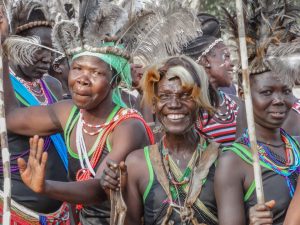
The decline of African traditional beliefs is further reinforced by Western religious framing, which dismisses indigenous spirituality as paganism. Many African societies historically practiced ancestor worship, herbal medicine, and spiritual divination, integrating them into everyday life. However, colonial-era missionaries condemned these practices, labeling them as satanic and replacing them with Christianity and Western interpretations of morality. Today, many young Africans refuse to engage with their ancestral traditions, believing them to be demonic or incompatible with modern faith and life.
Western religious influence has led to the abandonment of indigenous ceremonies, such as libation rituals, fertility dances, and healing rites, which were once revered for their deep spiritual meaning. Many African churches discourage traditional customs, convincing followers that adopting Western-style religious practices equates to moral and social superiority. This rejection of local beliefs has contributed to the severing of generational ties, as younger Africans grow increasingly estranged from the traditions that once bound their communities together.
Loss of Traditional Rites of Passage
African traditional rites of passage, once central to the fabric of communal life, have diminished under the weight of modernization, urbanization, and Western influences. Birth ceremonies, which traditionally involved rituals welcoming newborns into the spiritual realm of ancestors, have become less common in many African societies and young generation has opted for baby-shower systems, originated from the Western cultures. Previously, elders performed purification rites to protect the child from evil spirits and ensure their integration into the family lineage. Today, hospital births and Western medical practices dominate, reducing the role of traditional midwives and spiritual healers. The decline in these ceremonies weakens communal ties, as childbirth, once considered a sacred event, has become a private medical process with minimal connection to ancestral traditions.
Similarly, naming ceremonies, once a public affirmation of a child’s place in society, have lost their prominence. In many African cultures, names were carefully chosen based on circumstances surrounding birth, lineage, or spiritual significance, often involving elaborate rituals where elders bestowed names linked to ancestry or historical events. These ceremonies reinforced communal bonds and ensured continuity of cultural identity. However, with the adoption of Western naming conventions, many families now opt for English or French names, sidelining traditional ones. Additionally, the sacred act of consulting elders or spiritual guides for the child’s name has been replaced by individual parental decisions, further diminishing the collective wisdom once embedded in this practice.
Adulthood initiation rites, which marked the passage from childhood to maturity, have also declined significantly. In many African societies, boys and girls underwent structured rites, such as seclusion, mentorship, and physical endurance tests, to prepare them for their roles as adults. These rites instilled values of responsibility, leadership, and respect for traditions, ensuring that young individuals understood their obligations to their families and communities. With modern schooling and urban lifestyles, these ceremonies are increasingly seen as outdated or impractical. Many young people transition into adulthood without the communal guidance that initiation rites once provided, leading to a loss of discipline, identity, and cultural grounding.
Traditional weddings and death rites, once vital markers of life transitions, are also being overshadowed. Marriage was historically a union between families rather than individuals, involving extended discussions, dowries, and rituals that secured the couple’s connection to their ancestors. Today, Western-style white weddings dominate, sidelining indigenous marital customs. Similarly, death and burial rites, which honored the deceased through elaborate rituals ensuring their transition into the ancestral realm, have been reduced to brief, standardized ceremonies influenced by foreign religious practices. In the past, funerals involved mourning periods, purification rituals, and storytelling to commemorate the individual’s life and preserve their spiritual presence within the community. As burial customs shift toward modern simplicity, Africa risks losing the deep-rooted traditions that once bonded generations together in a shared spiritual heritage. Preserving these rites requires conscious efforts to reintroduce cultural education and reaffirm the value of communal practices in shaping African identity.
Restoring Cultural Identity
The erosion of African culture is not merely a shift in social preferences, it is a gradual erasure of the continent’s historical identity. While modernization has brought undeniable benefits, it has also fostered cultural amnesia, where younger generations dismiss traditions that once defined African societies. The glorification of Western education, media, weddings, and religious ideals has come at the cost of losing indigenous languages, customs, and communal values that sustained African civilizations for centuries. This transformation threatens the survival of cultural heritage, pushing Africa further into a global system where its identity is dictated rather than preserved.
Yet, all is not lost. Across the continent, cultural revival movements are emerging, advocating for the protection and promotion of African traditions. From reintroducing indigenous languages in schools to reclaiming traditional rites of passage, there is a growing awareness that Africa must balance modernization with heritage. Governments, educators, and communities must actively invest in cultural preservation, ensuring that future generations do not grow up seeing their identity as inferior. True progress lies in embracing Africa’s rich history, customs, and values while adapting them to the modern world. Without such efforts, Africa risks losing more than just traditions – it risks losing itself.
Similar Posts by The Mt Kenya Times:
- Mt Kenya Times ePAPER September 17, 2026
- Ruto and Uhuru: The rupture at the heart of Kenya’s 2027 election
- Gakoromone traders and rights group demand closure of sewage discharge
- Retirement is not disenfranchisement: Reclaiming the constitutional rights of Kenya’s former presidents
- Kenya’s 2027 election: Can technology strengthen democracy or manipulate voters?
About the Author