The Facade Of Public Participation: Examining The Illusory Involvement Of Kenyan Citizens In Governance
 The Mt Kenya Times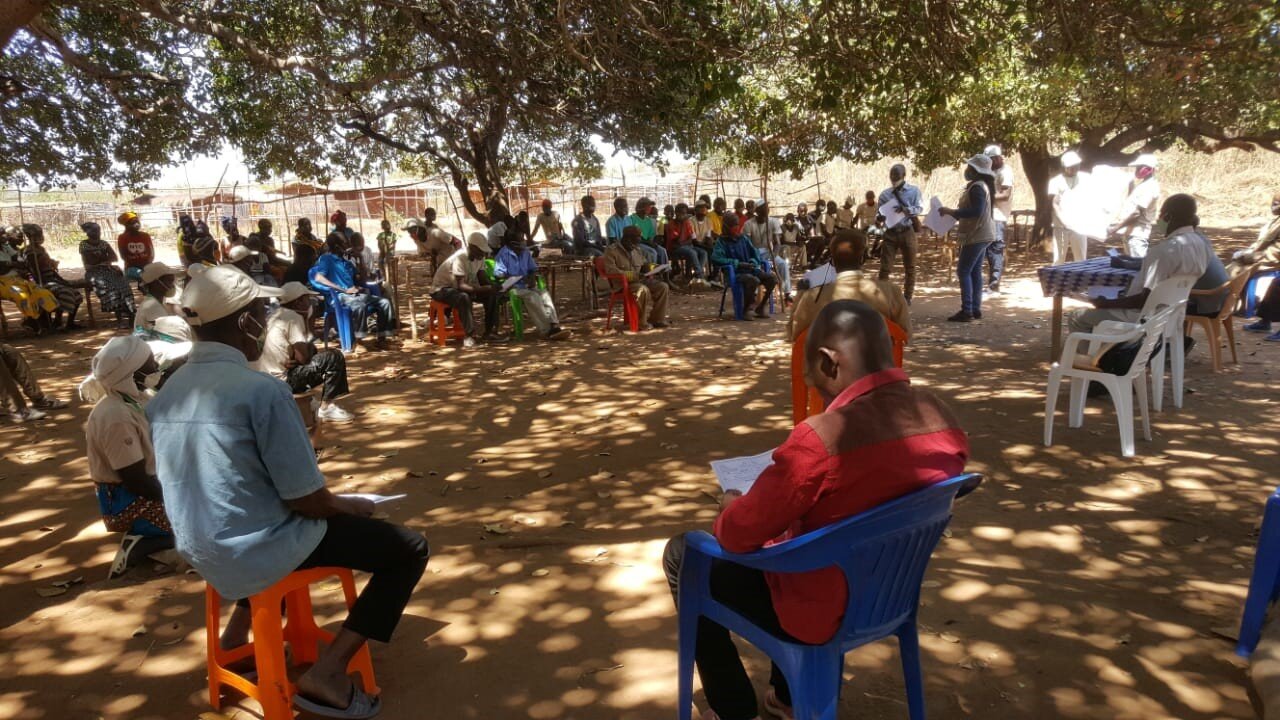
Public Participation
By: Midmark Onsongo
Worth Noting:
- Even when citizens manage to participate in these forums, their contributions are often disregarded or manipulated to fit pre-determined outcomes. A common tactic used by authorities is to present highly technical documents or proposals that the average citizen cannot easily comprehend, thereby limiting meaningful engagement.
- The jargon-laden presentations serve to intimidate and confuse rather than to inform and empower. In some cases, feedback from the public is simply ignored or selectively included in official reports to create the illusion of consensus. This cynical approach not only undermines the spirit of public participation but also erodes public trust in the government.
- The media, which plays a crucial role in facilitating public discourse, has also been complicit in perpetuating the facade of public participation.
In the intricate web of political rhetoric that often entangles Kenya’s governance landscape, one term has been increasingly invoked by politicians: public participation. This phrase, seemingly simple and noble in intent, is heralded as the cornerstone of democracy, promising that the voices of the ordinary citizens will be heard and considered in the decision-making processes that govern their lives. However, beneath the surface of this lofty ideal lies a troubling reality—public participation, as practiced in Kenya, has often become a mere facade, a symbolic gesture that lacks true substance or impact.
Public participation is enshrined in the Kenyan Constitution, particularly under Article 10, which lists it as one of the national values and principles of governance. It is meant to ensure that the government remains accountable to its people, fostering a culture of transparency and inclusivity. The concept is also embedded in various statutory provisions, including the County Governments Act, which mandates that county governments involve the public in the formulation and implementation of policies. Yet, despite these legal frameworks, the actual practice of public participation in Kenya is frequently characterized by superficial engagements that fail to capture the true sentiments and needs of the people.
One of the primary issues with public participation in Kenya is the lack of genuine inclusivity. Often, public forums and consultative meetings are organized in a manner that excludes significant portions of the population. These gatherings are typically held in urban centers, inaccessible to rural residents who may lack the means to travel. Moreover, the timing of these meetings is often inconvenient for working citizens, who cannot afford to take time off from their jobs to attend. As a result, the voices of the marginalized and the economically disadvantaged—who arguably have the most to gain or lose from government decisions—are frequently absent from the conversation. Instead, these forums are dominated by political elites, well-connected individuals, and interest groups who may not represent the broader public interest.
Even when citizens manage to participate in these forums, their contributions are often disregarded or manipulated to fit pre-determined outcomes. A common tactic used by authorities is to present highly technical documents or proposals that the average citizen cannot easily comprehend, thereby limiting meaningful engagement. The jargon-laden presentations serve to intimidate and confuse rather than to inform and empower. In some cases, feedback from the public is simply ignored or selectively included in official reports to create the illusion of consensus. This cynical approach not only undermines the spirit of public participation but also erodes public trust in the government.
The media, which plays a crucial role in facilitating public discourse, has also been complicit in perpetuating the facade of public participation. While the press is supposed to act as a watchdog, holding the government accountable and providing a platform for diverse voices, it often falls short of these expectations. Media coverage of public participation exercises tends to be superficial, focusing on the spectacle of the event rather than the substance of the discussions. In some instances, media outlets, especially those with close ties to political interests, may downplay or completely ignore dissenting opinions, further stifling the democratic process. The lack of critical journalism on this issue has allowed the government to continue with tokenistic public participation efforts without facing significant scrutiny.
Moreover, the influence of money and power in Kenya’s political landscape cannot be ignored. Public participation forums are sometimes hijacked by wealthy individuals or organizations with vested interests, who use their resources to sway decisions in their favor. This phenomenon, known as “elite capture,” distorts the process and ensures that the voices of ordinary citizens are drowned out by those with the means to buy influence. The result is a skewed policy-making process that reflects the interests of a few at the expense of the many, further entrenching inequality and social injustice.
The consequences of this hollow approach to public participation are far-reaching. Policies and projects that are formulated without genuine public input are more likely to fail, as they do not reflect the real needs and priorities of the people. For instance, numerous development projects in Kenya have stalled or been abandoned due to resistance from local communities who were not adequately consulted during the planning stages. These failures not only waste public resources but also exacerbate social tensions and undermine the legitimacy of the government.
Furthermore, the disillusionment caused by the lack of meaningful public participation can lead to apathy and disengagement among the citizenry. When people feel that their voices do not matter, they are less likely to participate in future engagements, including voting in elections. This creates a vicious cycle in which the government becomes increasingly unaccountable to its people, leading to poor governance and a weakened democracy.
To restore the integrity of public participation in Kenya, several steps must be taken. First, there needs to be a concerted effort to make public participation more inclusive. This could involve holding consultations in rural areas, using local languages, and scheduling meetings at times that are convenient for all citizens. Additionally, the government should provide simplified versions of technical documents to ensure that everyone can understand and contribute meaningfully to the discussions.
Second, there must be a genuine commitment to transparency. Authorities should be required to provide clear and honest feedback on how public input has been incorporated into final decisions. This could be achieved through the publication of detailed reports that outline the specific contributions made by the public and explain how they influenced the outcome. Such transparency would go a long way in building public trust and ensuring that participation is not merely a formality.
The role of the media in enhancing public participation cannot be overstated. Journalists must be encouraged to engage in investigative reporting that critically examines the effectiveness of public participation exercises. By shining a light on the shortcomings of the current system, the media can play a pivotal role in driving reforms and holding the government accountable.
Moreover, civil society organizations should be empowered to act as intermediaries between the government and the public. These organizations can help to mobilize communities, facilitate discussions, and ensure that the voices of marginalized groups are heard. By providing resources and training to these organizations, the government can enhance their capacity to contribute to the public participation process.
Lastly, the government must take a firm stand against the influence of money and power in public participation exercises. This could involve stricter regulations on lobbying and campaign financing, as well as penalties for individuals or organizations that attempt to unduly influence the process. By safeguarding the integrity of public participation, the government can ensure that the process remains true to its intended purpose—empowering the people to shape the policies that affect their lives.
While public participation is a laudable ideal, its practice in Kenya has often been reduced to a mere facade. To realize the true potential of this democratic principle, there must be a renewed commitment to inclusivity, transparency, and accountability. Only then can public participation serve as a genuine tool for empowering citizens and fostering good governance. The future of Kenya’s democracy depends on it.
This article was scripted by;
MIDMARK ONSONGO
(Sustainable economist, Geopolitics strategizer)
Similar Posts by The Mt Kenya Times:
- Diaspora Times Global Oct 17 – Oct 23, 2026
- Is social media a blessing or a curse for university students?
- Light at last: How electricity is reshaping Nandi and Uasin Gishu
- The triple squeeze: how EPRA’s fuel price hike is reshaping the survival equation for the common mwananchi
- Zelenskyy accuses Trump of rewarding Putin as Pope pleads for peace from a hospital bed
About the Author