The Mt Kenya Times
By: Silas Mwaudasheni Nande
Introduction
In a rapidly evolving educational landscape, the role of a school principal in the 21st century extends far beyond administrative tasks. Today’s principals are not just managers; they are visionary leaders, facilitators of learning, and community builders. To navigate the complexities of modern education and foster a thriving school environment, principals need a comprehensive set of skills. Drawing upon the insights from “50 Skills of a Great Leader: The Ultimate Cheat Sheet” by Victoria Repa, this article outlines why these specific skills are crucial for a 21st-century school principal.
- Emotional Intelligence: A principal with high emotional intelligence can understand and manage their own emotions, as well as perceive and influence the emotions of others. This is vital for fostering positive relationships with staff, students, and parents, de-escalating conflicts, and creating a supportive school culture. Expressing gratitude, a key component of emotional intelligence, strengthens bonds and boosts morale within the school community.
- Effective Communication and Interpersonal Skills:
- Active listening ensures that the principal truly understands the concerns and ideas of teachers, students, and parents, leading to more informed decisions and stronger trust.
- Public speaking is essential for addressing the school community, presenting new initiatives, and inspiring confidence.
- Networking and building friendships helps principals connect with other educational leaders, community members, and resources, enriching the school’s opportunities.
- Conducting and participating in meetings effectively ensures productive discussions and clear outcomes.
- Setting and respecting boundaries is crucial for maintaining professionalism and work-life balance, especially in a demanding role.
- Strategic Thinking and Vision:
- Goal setting with specific action plans allows principals to define clear objectives for the school and lay out a roadmap for achieving them.
- Thinking outside the box encourages innovative solutions to challenges and a forward-thinking approach to education.
- Problem-solving is a daily necessity, from addressing disciplinary issues to navigating budget constraints.
- Decision-making skills are paramount, requiring principals to weigh options and make sound judgments that impact the entire school.
- Adaptability and Continuous Learning: The 21st century is characterized by constant change.
- Lifelong learning is non-negotiable for principals to stay abreast of new pedagogical approaches, technological advancements, and educational policies.
- Learning from failures fosters resilience and continuous improvement.
- Adaptation to remote work (or learning) became acutely relevant during recent global events and remains an important consideration for flexibility in education.
- Understanding and utilizing modern technologies is no longer optional; it’s fundamental for efficient administration, communication, and enhancing learning experiences.
- Developing and Empowering Others: A great principal empowers their team, fostering a culture of growth and collaboration.
- Knowledge of when and how to delegate is crucial for effective workload management and empowering staff.
- Cultivating observation skills allows principals to identify strengths and areas for growth in their staff and students.
- Blending skills and talents to create something new encourages innovation and leveraging the diverse strengths of the school community.
- Ability to praise and give positive feedback motivates staff and students, reinforcing positive behaviors and efforts.
- Ability to ask for help and advice demonstrates humility and fosters a collaborative environment where problems are solved collectively.
- Resilience and Well-being: The principalship is a demanding role, and personal well-being is critical for sustained effectiveness.
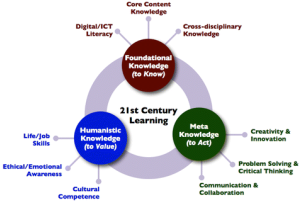 Balancing work and personal life is essential to prevent burnout.
- Being proactive in preventing burnout involves recognizing the signs and implementing strategies for self-care.
- Taking action despite fear demonstrates courage and leadership, especially when implementing significant changes.
- Combating imposter syndrome ensures principals lead with confidence and conviction.
- Remaining humble in success and confident in setbacks promotes a balanced and resilient approach to leadership.
- Promoting a Positive and Inclusive School Culture:
- Diversity appreciation and inclusivity are fundamental for creating a welcoming and equitable environment for all students and staff.
- Openness to others’ ideas fosters innovation and a sense of ownership among the school community.
- Setting and respecting boundaries applies to both personal and professional interactions, contributing to a respectful environment.
- Social influence and personal branding can help principals advocate for their school and attract resources.
Conclusion
In conclusion, the 21st-century school principal is a multifaceted leader who must possess a broad range of skills to meet the diverse demands of the role. By cultivating emotional intelligence, mastering communication, embracing strategic thinking, committing to lifelong learning, empowering others, prioritizing well-being, and fostering an inclusive culture, principals can effectively lead their schools into the future, ensuring every student has the opportunity to thrive.
Similar Posts by The Mt Kenya Times:
- Mt Kenya Times ePAPER October 7, 2026
- Ruto signs KSh389B electric vehicle deal at State House
- Kenya mobilises KSh70B to fight Ebola as US and World Bank step in
- High Court freezes law school admissions over disputed entry rules
- Grade 11 textbooks head to schools as CBC transition gathers pace
About the Author