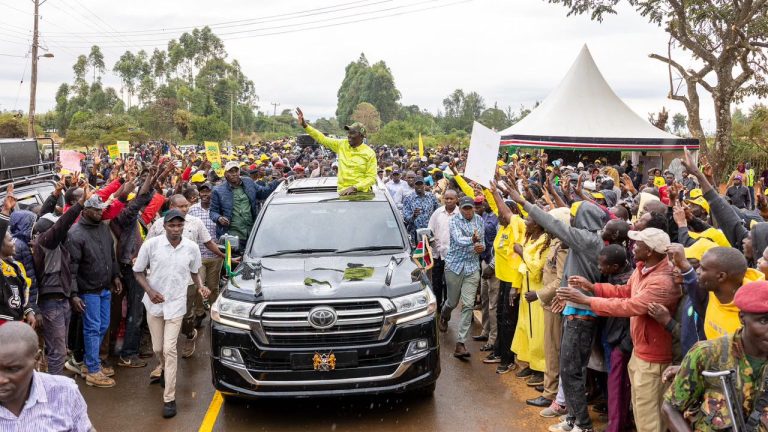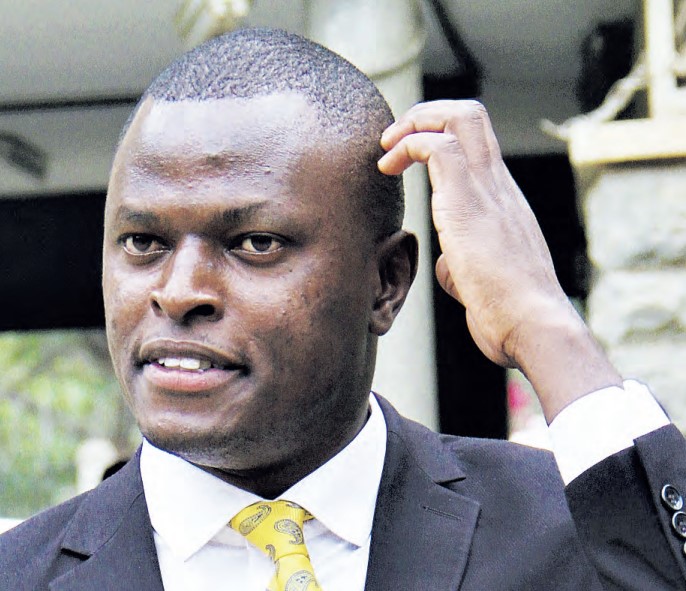
Kiharu MP Ndindi Nyoro
Kiharu MP Ndindi Nyoro commands headlines and airtime but has built a troubling record of vanishing when parliament divides.
By MKT Reporter
Ndindi Nyoro, the Member of Parliament for Kiharu and one of Kenya’s most recognisable political voices, has established a pattern that his constituents and political observers are finding increasingly difficult to ignore: he talks at length, but when the votes are called, he is nowhere to be found.
The contradiction sits at the heart of a growing debate about what parliamentary representation actually means in Kenya. Nyoro is a fixture on television panels, a reliable source of sharp political commentary, and a social media presence who commands attention across platforms. He speaks with confidence on matters of national importance — taxation, governance, constitutional affairs — and his words regularly make headlines. Yet the record of his participation in the House when it matters most tells a different and more troubling story.
Parliamentary attendance and voting records, which are a matter of public record under Kenya’s constitutional framework, show that Nyoro has been absent during several critical divisions in the National Assembly. These are not procedural votes on minor amendments. They include votes on finance bills, motions of constitutional significance, and legislative business that directly affects the citizens of Kiharu and Kenyans at large. On each occasion, the MP was conspicuously missing from the chamber floor.
In Westminster-style parliamentary democracy, of which Kenya’s system is a direct descendant, a legislator’s vote is the most fundamental act of representation. It is the moment when rhetoric is tested, when allegiances are declared, and when the constituent back home can measure in the plainest possible terms whether their representative stood for them or did not. A speech given outside the chamber, however eloquent, carries no weight in the division lobby. Only the vote counts.
Political analysts have begun to ask whether Nyoro’s absences are strategic or symptomatic of a broader culture of selective engagement that has taken root in Kenya’s legislature. “There is a difference between a politician and a legislator,” said one senior political scientist at a Nairobi university, speaking on condition of anonymity. “A politician performs for the public. A legislator does the unglamorous work of showing up, deliberating, and voting. Nyoro has mastered the former. The latter remains an open question.”
The absences carry particular weight given Nyoro’s profile within the ruling United Democratic Alliance. As a prominent figure in the UDA, he has positioned himself as a defender of the government’s legislative agenda and a loyalist of President William Ruto’s administration. That positioning makes his failure to appear and vote in support of that agenda all the more difficult to explain. When the government needed numbers on the floor, Nyoro was not among them.
His supporters argue that parliamentary work extends well beyond the chamber — that constituency development, committee engagements, and public mobilisation are equally valid expressions of the legislative mandate. There is merit in that argument up to a point. Constituency work is real and necessary. But it does not replace the vote. The two are not interchangeable, and no serious reading of a legislator’s duties has ever suggested otherwise.
What makes the pattern particularly pointed is the contrast with Nyoro’s media appetite. He does not shy away from cameras. He does not decline invitations to comment. He is available, vocal, and often combative in the public square. The absence from parliament is therefore not a product of reticence or a preference for quiet, behind-the-scenes work. It appears, rather, to be a selective withdrawal from accountability — an embrace of the visible and the performative, and a retreat from the binding and the consequential.
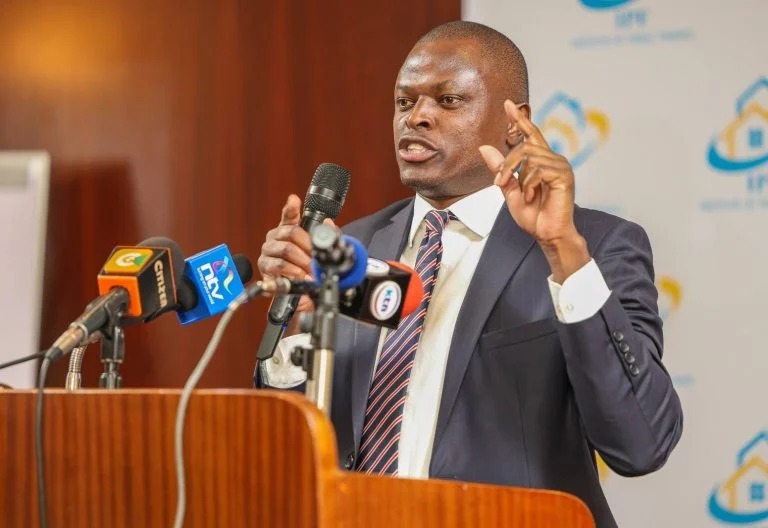
This matters beyond the individual. Kenya’s parliament has long struggled with a culture of poor attendance, quorum difficulties, and members who treat the House as an occasional inconvenience rather than the centre of their professional duty. Nyoro is not alone in this regard, but his prominence makes him a useful and important case study. When high-profile legislators normalise absence, they send a signal to the institution and to the public that the chamber is optional — that what you say about parliament matters more than what you do inside it.
The constituents of Kiharu, a constituency in Murang’a County that has historically demanded active and visible representation, deserve better than a legislator who is louder outside parliament than inside it. They sent Nyoro to Nairobi to vote on their behalf, to sit through the long hours of debate, to be present when the division bells ring. Whether he has honoured that mandate in full is a question the record invites them to ask.
Political careers in Kenya have survived worse. Nyoro is a skilled communicator and a recognisable brand, and in an environment where perception often outweighs performance, that counts for a great deal. But reputations built on media presence are fragile things. They depend on the goodwill of an audience that is increasingly informed, increasingly impatient, and increasingly capable of cross-referencing what a politician says with what a politician does.
The votes missed cannot be retrieved. The debates bypassed cannot be revisited. Each absence is a permanent entry in the record — a gap where a representative should have stood.
Kenya does not need more politicians who are brilliant on television. It needs legislators who are present when the House divides, who understand that the most important performance of their career happens not in a studio but in the chamber, on the record, where it cannot be edited, qualified, or walked back.
Until Nyoro reconciles his considerable public voice with a matching commitment to showing up and voting, the question will follow him: what is a lawmaker worth who will not make law?
Similar Posts by The Mt Kenya Times:
- Mt Kenya Times ePAPER October 13, 2026
- Ruto commissions Uasin Gishu dam to boost year-round farming
- Ruto calls Kenyatta a conman as Kenya’s 2027 battle begins in earnest
- Electricity access must lead to local opportunity
- God had to break your marriage to save your mother’s house
About the Author