KALRO holds a successful five-day event with impactful resolutions
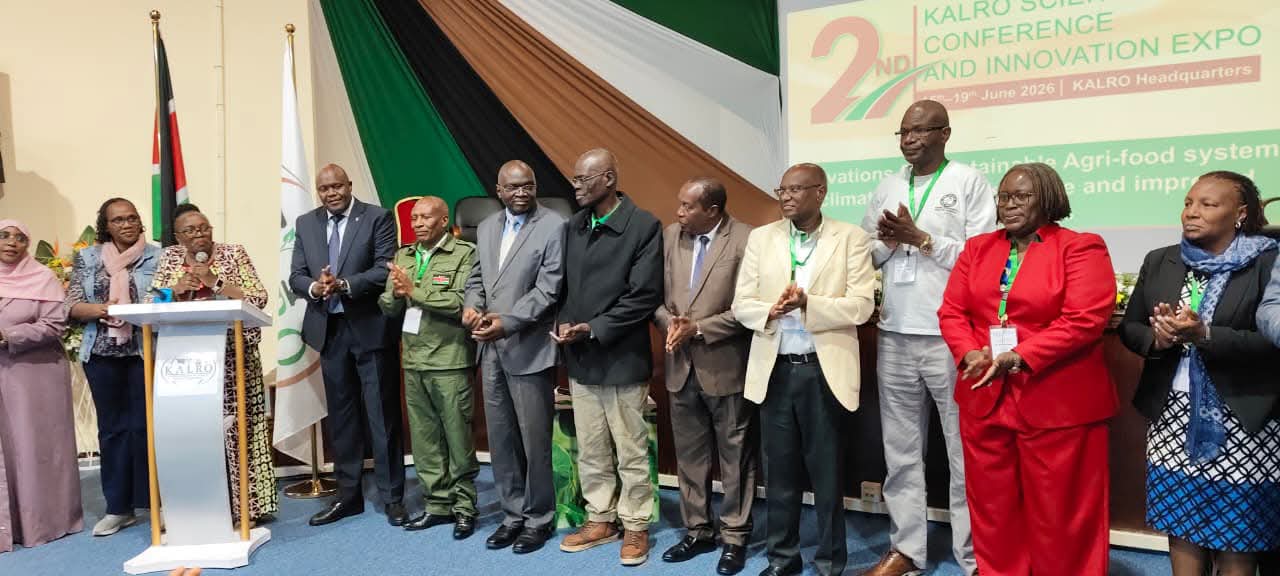
The 2nd Kenya Agricultural and Livestock Research Organization (KALRO) Scientific Conference and Innovation Expo concluded in Nairobi on Friday after five days of high-level discussions on transforming Kenya’s agricultural sector through science, innovation and partnerships.
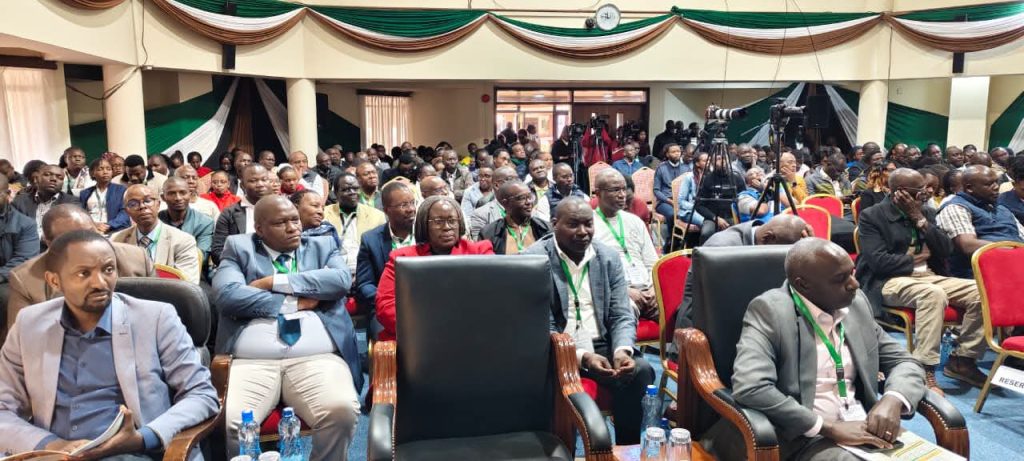
Held from Monday to Friday at KALRO headquarters, the event brought together more than 2,000 participants, including scientists, policymakers, farmers, youth innovators, development partners and private sector stakeholders under the theme “Innovations for Sustainable Agri-food Systems, Climate Change Resilience and Improved Livelihoods.”
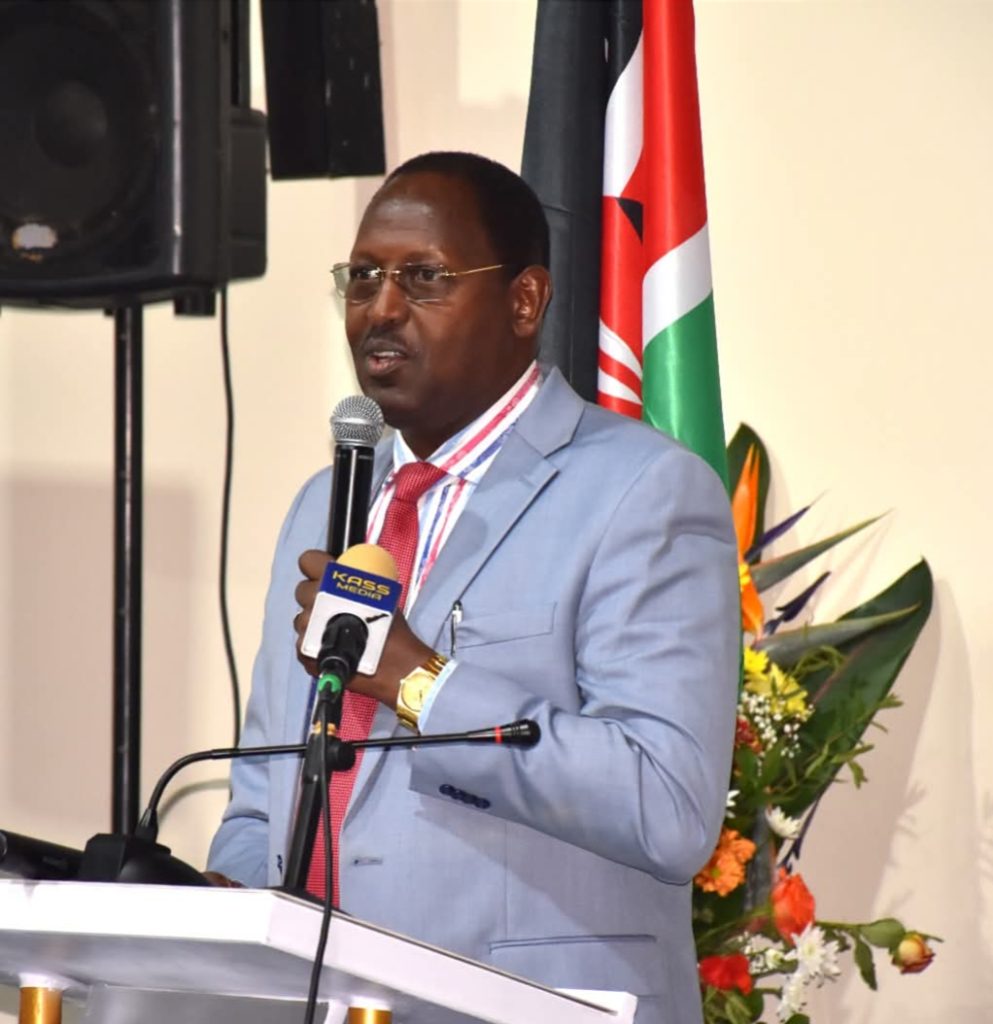
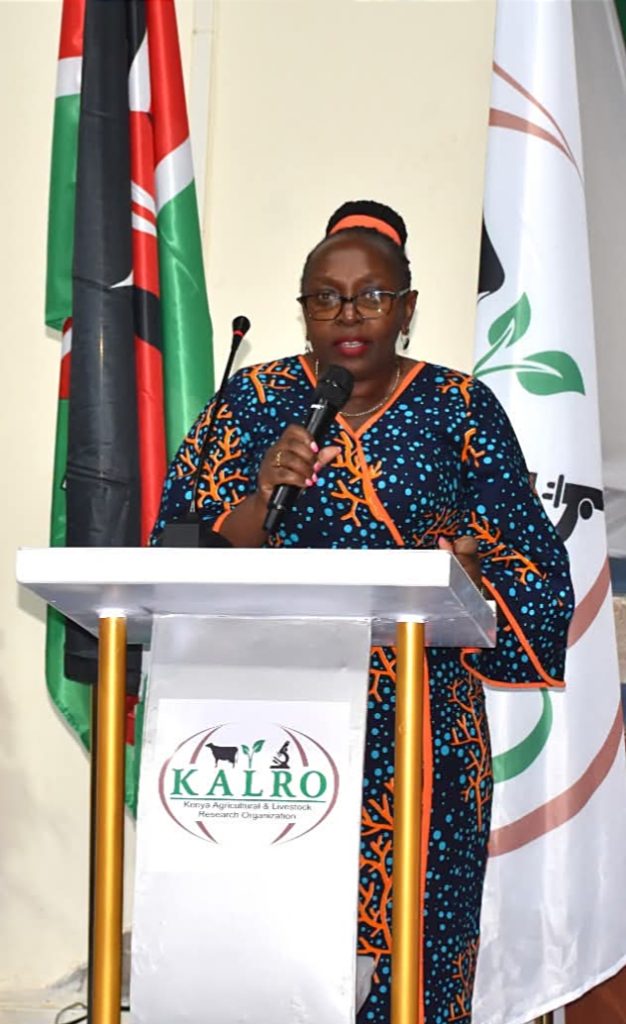
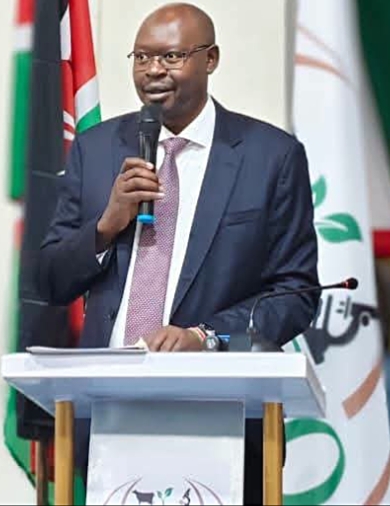
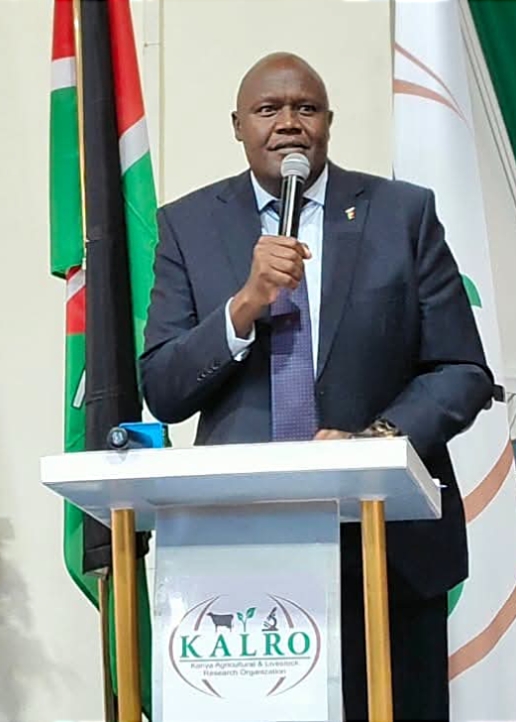
The conference was officially opened by the Principal Secretary for Agriculture Development, Kipronoh Ronoh, and featured contributions from KALRO Director General Dr. Patrick Ketiem, board chairman Dr Thuo Mathenge and other senior government and research officials.
Dr. Ketiem emphasized the need for agricultural research to deliver real impact at farm level, noting that success should be measured by adoption of technologies and improved livelihoods rather than publications alone.
Dr. Mathenge also urged scientists to move closer to farmers and take innovations to the field.
Key discussions focused on climate change, food security, digital agriculture and commercialization of research outputs. Delegates noted that droughts, floods and emerging pests continue to threaten agricultural productivity, calling for urgent climate-smart interventions.
The conference also highlighted the importance of increasing investment in agricultural research, expanding digital technologies such as AI and precision farming, and strengthening value addition and agro-processing.
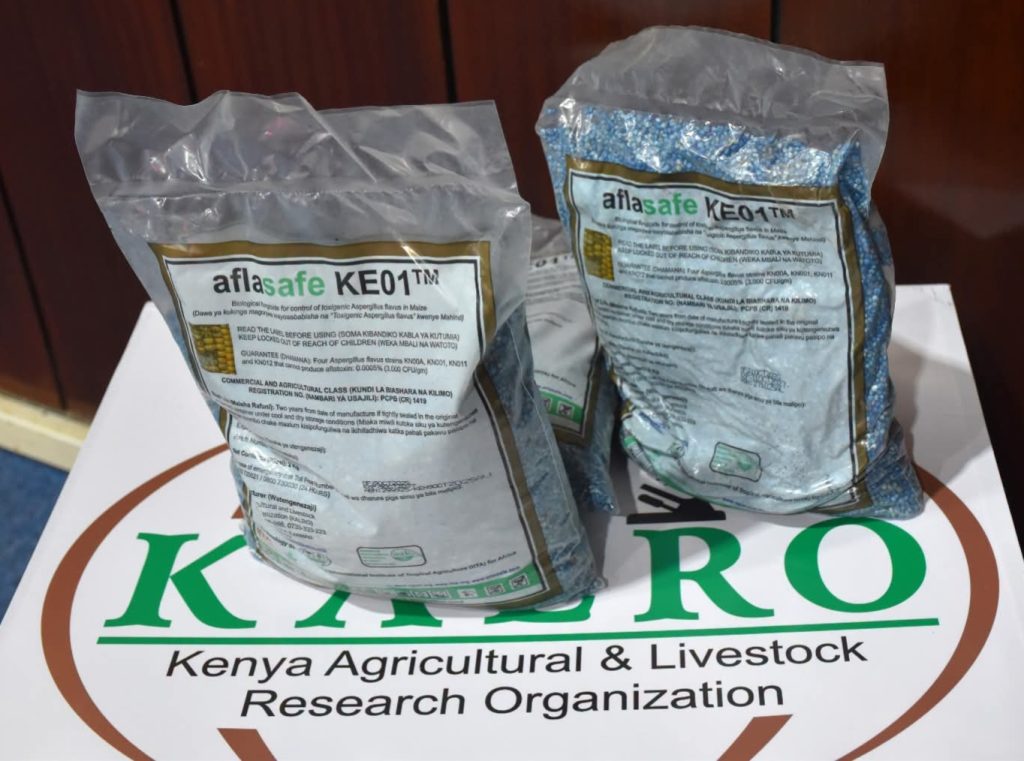
Aflatoxin contamination was identified as a major food safety concern, with support for scaling up Aflasafe KE01 technology to protect public health and food systems.
Key resolutions included strengthening demand-driven research, scaling climate-smart technologies, expanding digital agriculture, improving commercialization and value addition, enhancing food safety systems, and increasing support for youth- and women-led agribusinesses.
Participants also called for stronger partnerships among government, counties, research institutions, universities and the private sector to ensure innovations reach farmers and drive national development goals.
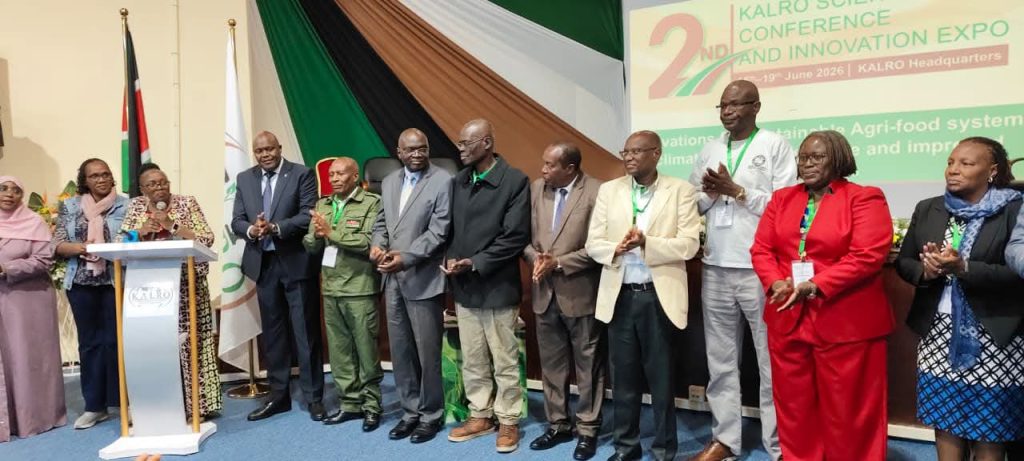
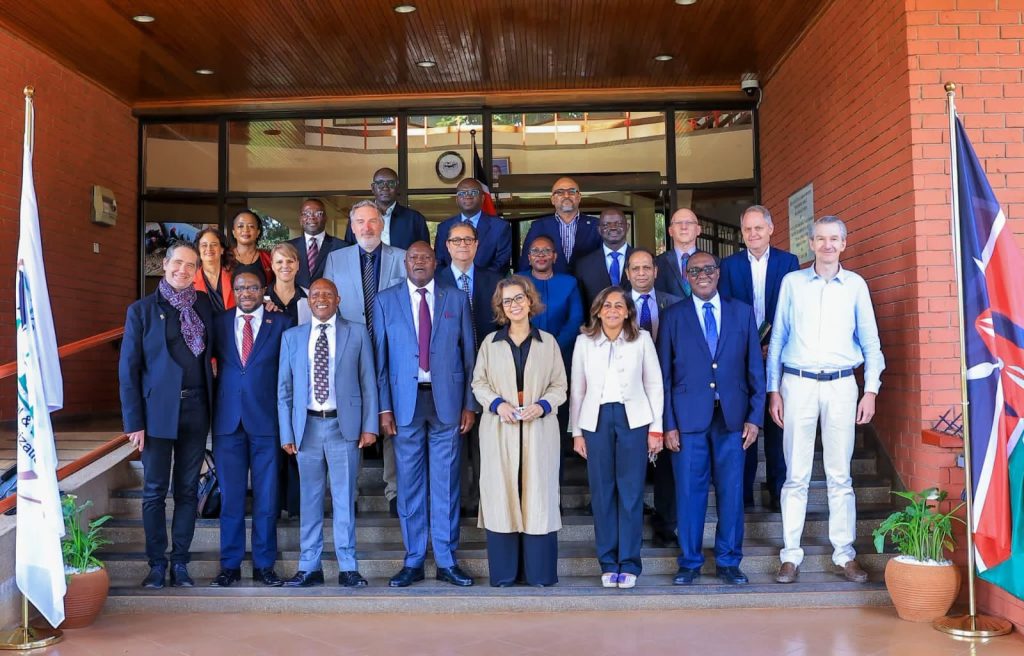
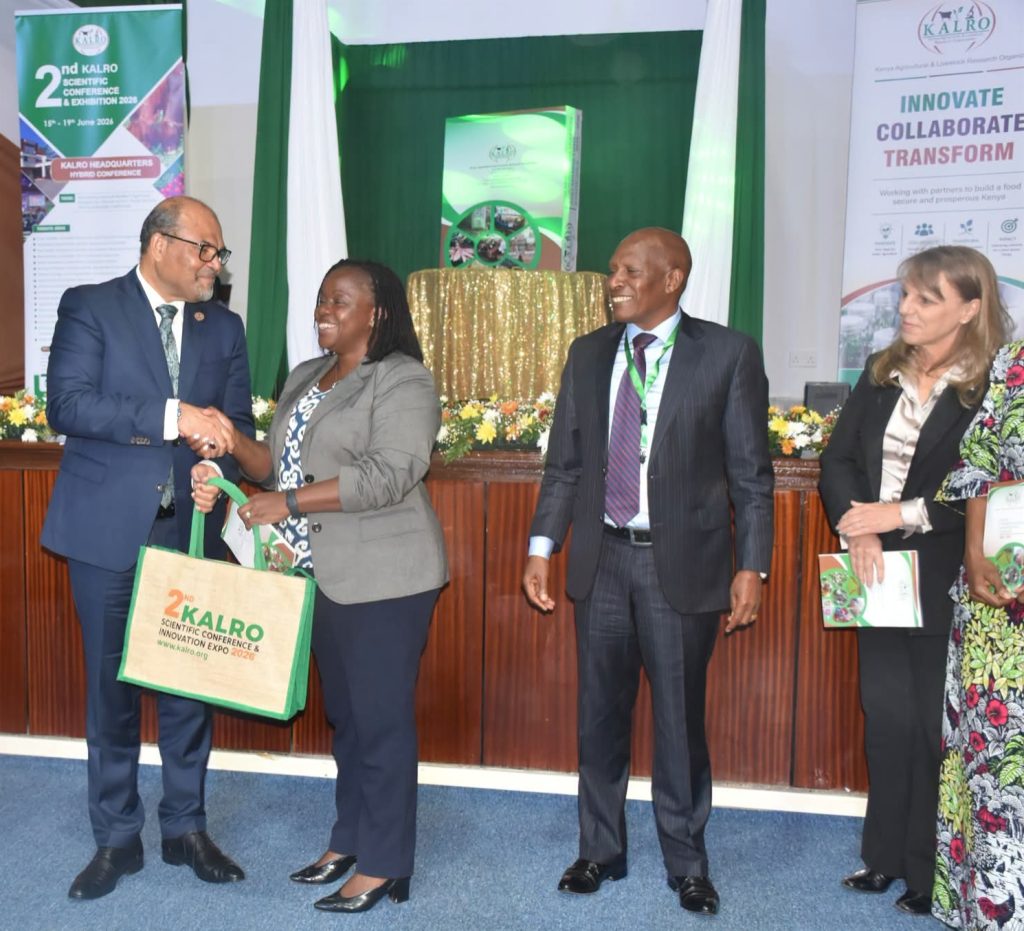
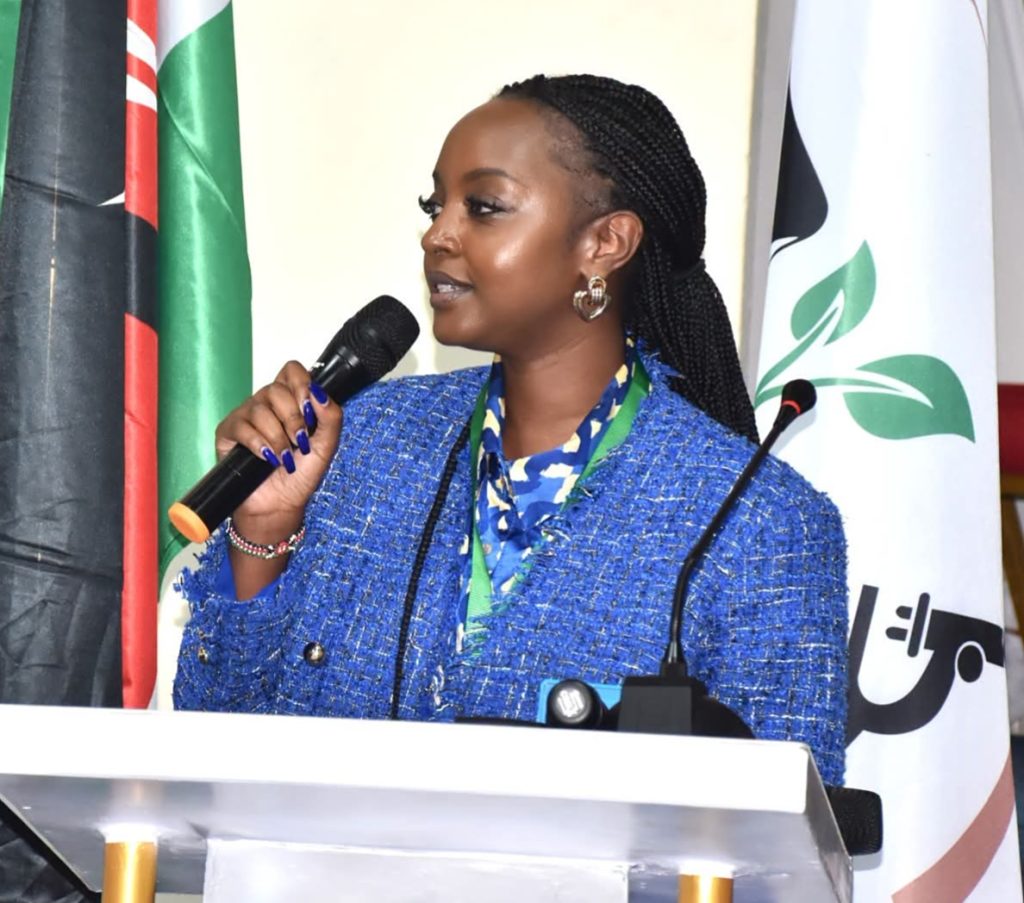
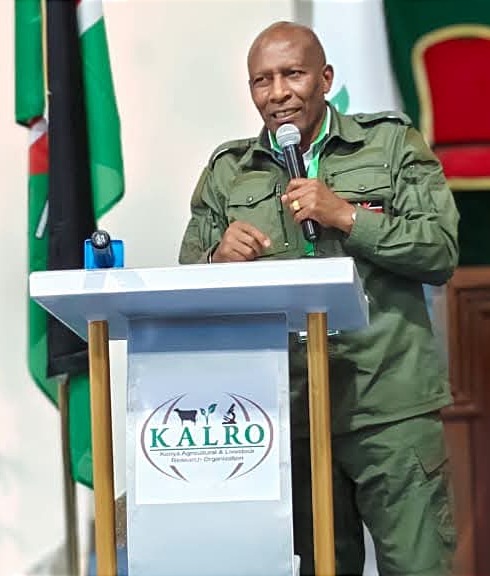
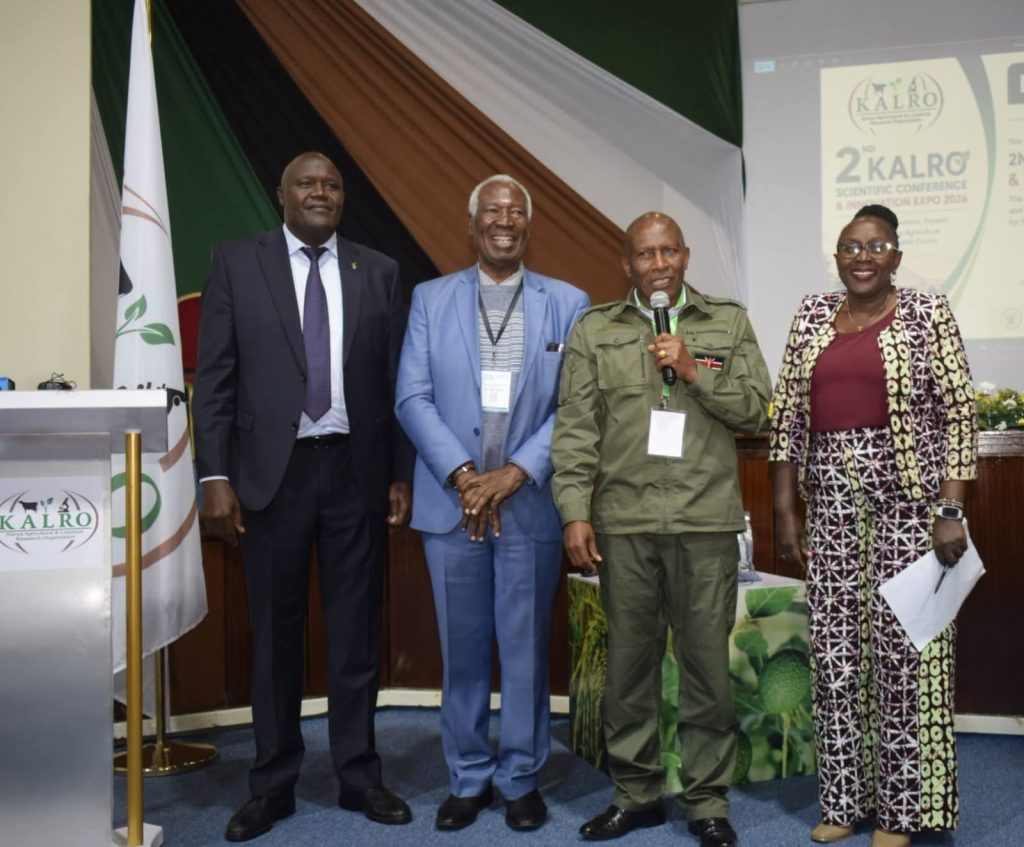
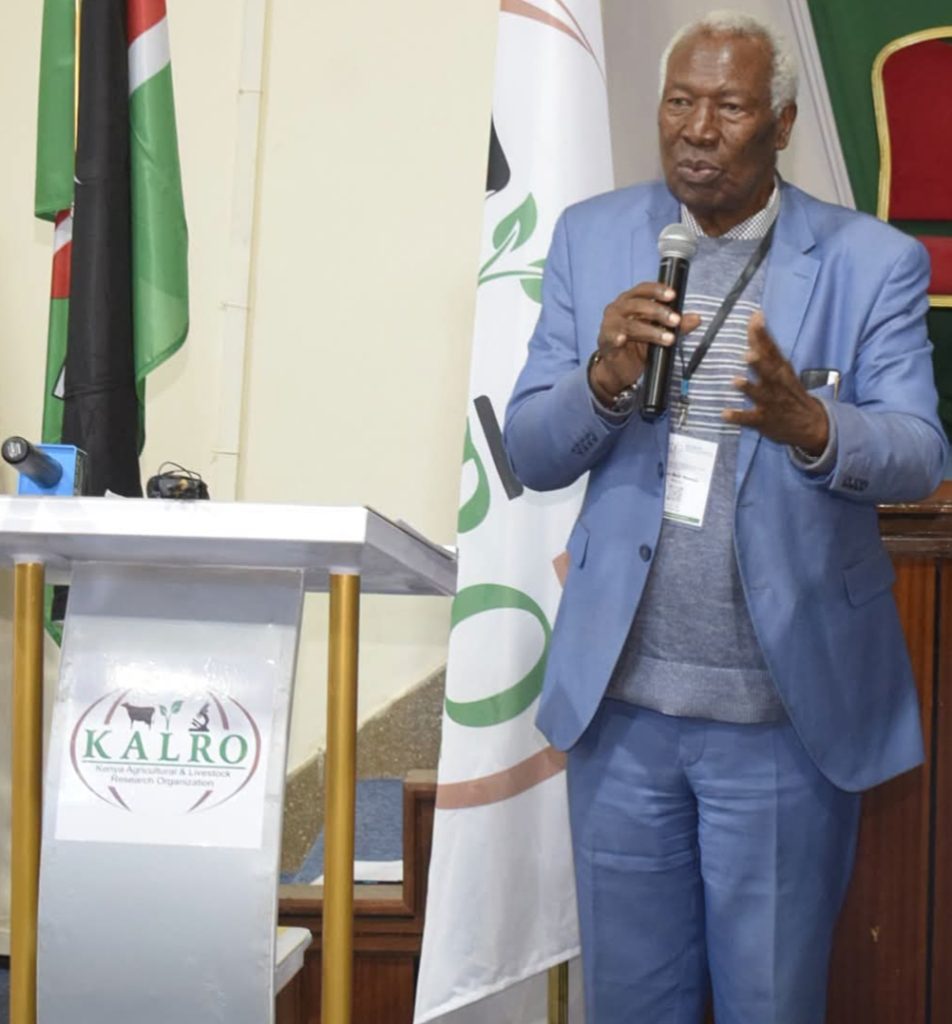
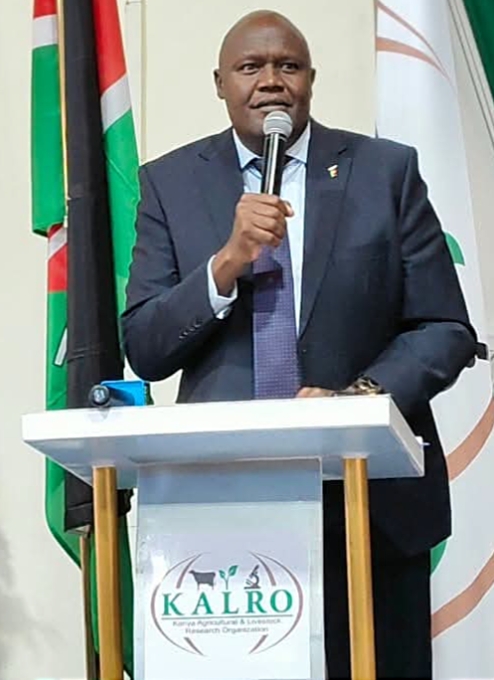
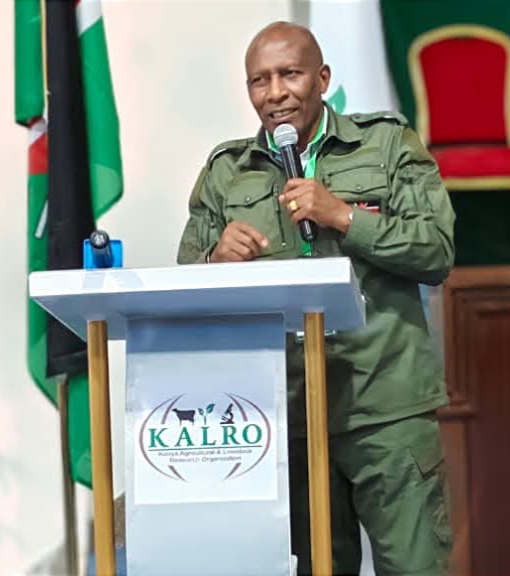
Some of the moments as captured in pictures







Similar Posts by The Mt Kenya Times:
- Mt Kenya Times ePAPER October 13, 2026
- Ruto commissions Uasin Gishu dam to boost year-round farming
- Ruto calls Kenyatta a conman as Kenya’s 2027 battle begins in earnest
- Electricity access must lead to local opportunity
- God had to break your marriage to save your mother’s house
About the Author