The Mt Kenya Times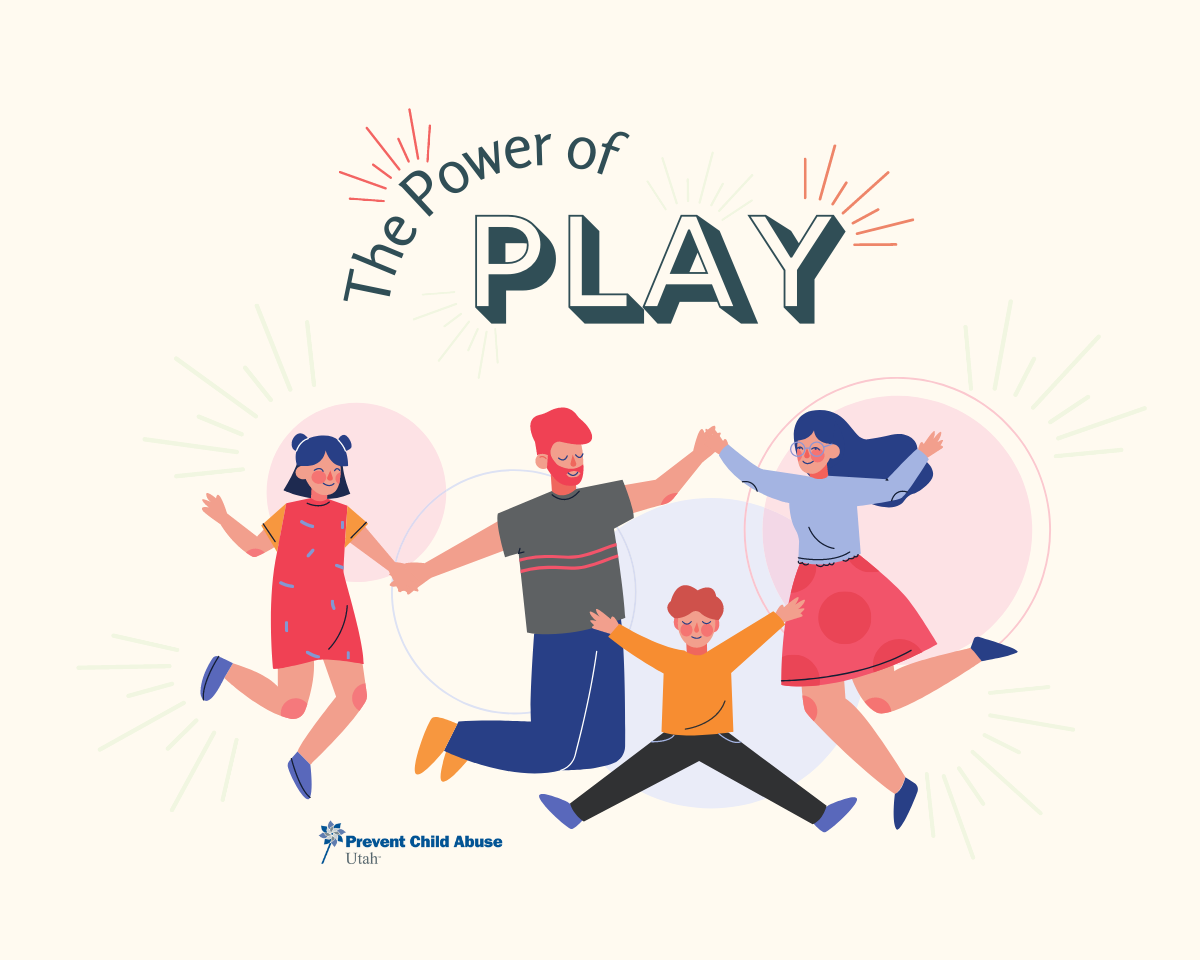
By: Wanjohi. P. Mugambi
Worth Noting:
- These situations can help the child achieve success that they would not have achieved on their own, and such success can be applauded together.
- Playing with young children involves actively observing, listening to, supporting, talking with, and understanding what they are doing and capable of doing next.
- Scaffolding responds to the child’s cues, actions, and comments by providing verbal and nonverbal hints and assistance, or questions, descriptions, prompts, and persists through multiple back and forth exchanges. It is not intervening but offering new possibilities to the child.
- Safety first! An important role of home visitors is to educate parents/caregivers about child safety, because children need safe places as they play, explore and learn.
 One of the best-known quotes in child development is Maria Montessori’s statement that “Play is the work of the child.” According to Montessori, play is voluntary, enjoyable, purposeful, and spontaneous. From birth on, children learn best through playful interactions with their parents, caregivers, family members, and peers.
Play promotes children’s development in all domains (physical, cognitive, social-emotional, and language) as well as in executive function skills, creativity and problem-solving. It gives children the opportunity to freely practice existing and emerging skills, test new ideas, work through problems and difficult experiences, and engage in new learning.
Play often, but not always, follows the child’s lead (is ‘child-directed’ or ‘child-lead’), is enjoyable and intrinsically motivating, and engages the imagination.
Parents/caregivers can facilitate opportunities for play as well as participate in their children’s play, and during your home visits, you can help parents understand why this is important and how to do it.
When parents/caregivers play with their children, they are building a positive relationship with their child that lets him know he is loved and appreciated. It opens the door for sharing problems and concerns as the child gets older. It helps the parent or caregivers understand how this child is unique and special. Play can also reduce parental stress and helps them enjoy their children (Child Development Info).
Research has confirmed that play helps infant and children build skills. Babbling, for example, is a selfinitiated form of play through which infants create the sounds of the language they need to learn. Likewise, children teach themselves to crawl, stand, and walk through repetitious practice play and to imitate behaviors they see in their environment.
During play, fathers and mothers/caregivers can focus their attention on the child and follow the child’s lead. In addition, they can help the child go beyond existing knowledge and skills, using what is called scaffolding. Scaffolding helps children be successful, with an activity they may not be able to do on their own. It is best when parents match their strategies to the child’s skill level and offers possibilities to take that skill to the next level.
For example, when the child is doing something well (e.g., put a block into a box), the parent can add new pieces of information (“see, you put the red block into the box”); when the child is struggling, they can make suggestions (“turn the box the other way”, guide (help the child turn the box), or model a skill (“look how I am dropping the block into the box”).
These situations can help the child achieve success that they would not have achieved on their own, and such success can be applauded together.
Playing with young children involves actively observing, listening to, supporting, talking with, and understanding what they are doing and capable of doing next. Scaffolding responds to the child’s cues, actions, and comments by providing verbal and nonverbal hints and assistance, or questions, descriptions, prompts, and persists through multiple back and forth exchanges. It is not intervening but offering new possibilities to the child.
Safety first! An important role of home visitors is to educate parents/caregivers about child safety, because children need safe places as they play, explore and learn. One of our jobs is assess the safety of the home environment as well as to help families understand what is safe and unsafe for children as they develop. As home visitors, we need to be educated in what our countries recommend for toy and play safety and any publications on the topic available to parents and families. More information you can find in the Module 9 on Home
Expensive toys are not needed to play. There are many items in the home and in the environment families can use. The main concern is safety when everyday items are used in play.The use of toys and games that reinforce gender stereotypes continues to be widely debated by the public, and pressure has been put on toy stores in some countries to stop displaying their toys as gender-specific.
Early childhood education professionals would agree with this move and discourage the use of gender-specific toys, especially if they reinforce gender stereotypes. Stereotypes are overgeneralizations and in the case of gender can limit the potential of both females and males.
Researchers have found that many toys targeting girls are associated with physical attractiveness, nurturing, and domestic skill, whereas boys’ toys were rated as violent, competitive, exciting, and somewhat dangerous.
Strongly gender-typed toys might encourage attributes that aren’t ones you actually want to foster. For girls, this would include a focus on attractiveness and appearance, perhaps leading to a message that this is the most important thing—to look pretty. For boys, the emphasis on violence and aggression (weapons, fighting, and aggression) might be less than desirable in the long run. Other toys considered primarily for boys have many positive qualities (developing spatial skills, exploring the sciences, building things, etc.) that parents might want to encourage in both boys and girls.
Perhaps, to some extent, it is the same for some moderately feminine toys (dolls for nurturing, toys related to cooking and housework)
Some parents may ask why it is important to read to babies when they do not even understand what is being said to them. You can explain to parents and caregivers, that they are also talking with their baby or signing songs, even though the baby does not yet understand the words.
Reading contributes to building the brain’s architecture and thus to building a strong foundation for learning language and learning about people and relationships. Reading to the baby can be integrated easily into daily activities, to settle down after active play, or as a bedtime routine to share a special time before the young child settles down to sleep.
Similar Posts by The Mt Kenya Times:
- Mt Kenya Times ePAPER October 24-25, 2026
- Muturi calls on IEBC to keep election technology tender clean and on schedule
- Ruto meets UAE minister in push to deepen trade ties
- Gideon Moi breaks silence on Ruto fallout, cites broken promises
- The doctor who refused to abandon a sick Uganda
About the Author