The Role Of Media In Shaping Political Narratives And Influencing Global Relations
 The Mt Kenya Times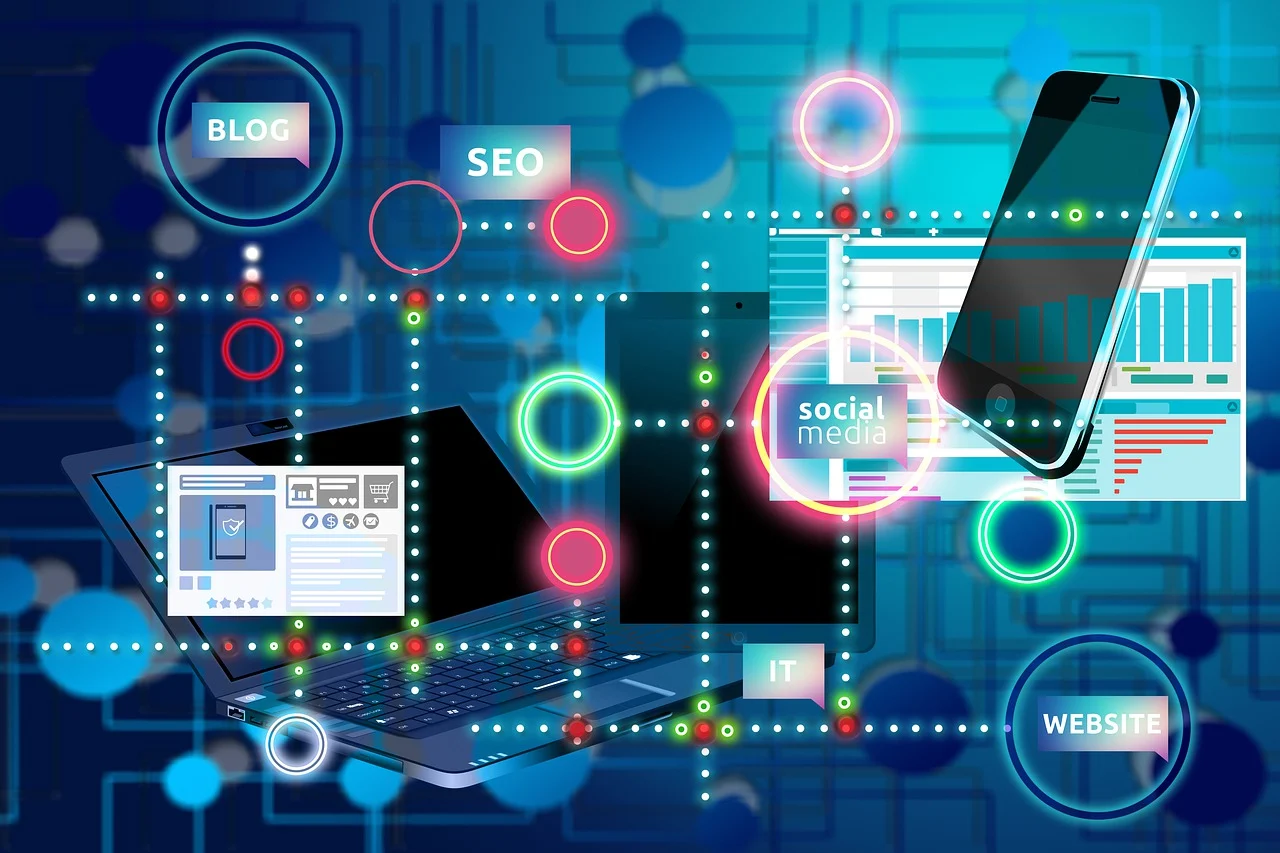
By: Silas Mwaudasheni Nande
Introduction
Media has long been a powerful force in shaping political narratives and influencing global relations. From traditional print journalism to digital platforms, media outlets have played a crucial role in framing political discourse, setting agendas, and shaping public perception. In an era of rapid information dissemination, media has become both a tool for transparency and a mechanism for propaganda. This article explores the multifaceted role of media in political narratives, examining case studies that highlight its impact on global relations.
Theoretical Framework: Media’s Influence on Politics
The relationship between media and politics is often analyzed through key theories such as:
- Agenda-Setting Theory – Media determines which issues are prioritized in public discourse.
- Framing Theory – The way media presents information influences audience perception.
- The CNN Effect – Media coverage can pressure governments into policy decisions.
- Propaganda Model – Media can be used to manipulate public opinion for political gain.
These theories provide a foundation for understanding how media shapes political narratives and influences international relations.
Case Study 1: The CNN Effect and Humanitarian Interventions
The CNN Effect refers to the phenomenon where real-time media coverage influences government decisions, particularly in humanitarian crises. A notable example is the U.S. intervention in Somalia in the early 1990s. Graphic media coverage of famine and suffering pressured the U.S. government to take action, demonstrating how media can drive foreign policy decisions.
Case Study 2: The Role of Al Jazeera in Middle Eastern Politics
Al Jazeera has played a significant role in shaping political narratives in the Middle East. During the Arab Spring, its coverage amplified protests and mobilized international support for democratic movements. However, critics argue that its reporting has also been used to advance specific political agendas, illustrating the dual nature of media influence.
Case Study 3: Russian Media and Disinformation Campaigns
Russian state-controlled media, such as RT and Sputnik, have been accused of spreading disinformation to influence global politics. During the 2016 U.S. presidential election, reports indicated that Russian media played a role in shaping narratives that affected voter perceptions. This case highlights how media can be weaponized for geopolitical strategy.
Case Study 4: Social Media and Political Movements
Social media platforms have revolutionized political communication. Movements such as #BlackLivesMatter and #MeToo gained global traction through digital media, demonstrating how decentralized platforms can shape political discourse. However, social media also facilitates misinformation, as seen in the spread of false narratives during elections.
Media Bias and Its Impact on Global Relations
Media bias affects international relations by shaping how countries are perceived. Western media often frames conflicts in ways that align with geopolitical interests, influencing diplomatic relations. For example, coverage of conflicts in Africa and the Middle East tends to emphasize instability rather than historical context, affecting global policy decisions.
The Role of Media in Crisis Management
During crises, media serves as both an informer and an influencer. The COVID-19 pandemic demonstrated how media narratives shaped public response and government policies. Misinformation spread through digital platforms led to confusion and policy challenges, highlighting the need for responsible journalism.
Conclusion: The Dual Nature of Media Influence
Media remains a powerful force in shaping political narratives and influencing global relations. While it can promote transparency and accountability, it can also be used for propaganda and misinformation. Understanding media’s role in politics requires critical engagement with sources and awareness of biases. As media continues to evolve, its impact on global relations will remain a crucial area of study.
Similar Posts by The Mt Kenya Times:
- Mt Kenya Times ePAPER October 17-18, 2026
- Ruto bets billions on Kerio Valley — with one eye on 2027
- Ruto’s health ministry kills Murang’a’s digital hospitals
- Kenya bets on Mount Kenya to drive a billion-shilling tourism revival
- Do you have a wealth vision? Or are you just working until you die?
About the Author