UNICEFKenya - LameckOrina

By Brian Mogambi
Worth Noting:
- Brian Mogambi, a student at Mount Kenya University, has seen firsthand the devastating impact of poverty on healthcare in his community. “I have witnessed many cases where people die because they cannot afford to pay for medical treatment,” he says. “It’s heartbreaking to see families lose loved ones because they cannot access healthcare.”
- Another factor contributing to the link between poverty and mortality is malnutrition. Many poor Kenyans struggle to put food on the table, let alone access healthy and nutritious food. As a result, malnutrition is a widespread problem, particularly among children. According to UNICEF, approximately 26% of Kenyan children under the age of five suffer from chronic malnutrition, which can lead to stunted growth, weakened immune systems, and even death.
Poverty is a pervasive issue in Kenya, affecting millions of people across the country. Sadly, one of the most devastating consequences of poverty is premature death. According to the World Health Organization (WHO), poverty is one of the leading causes of morbidity and mortality in Kenya. But why are so many Kenyans dying because of poverty?
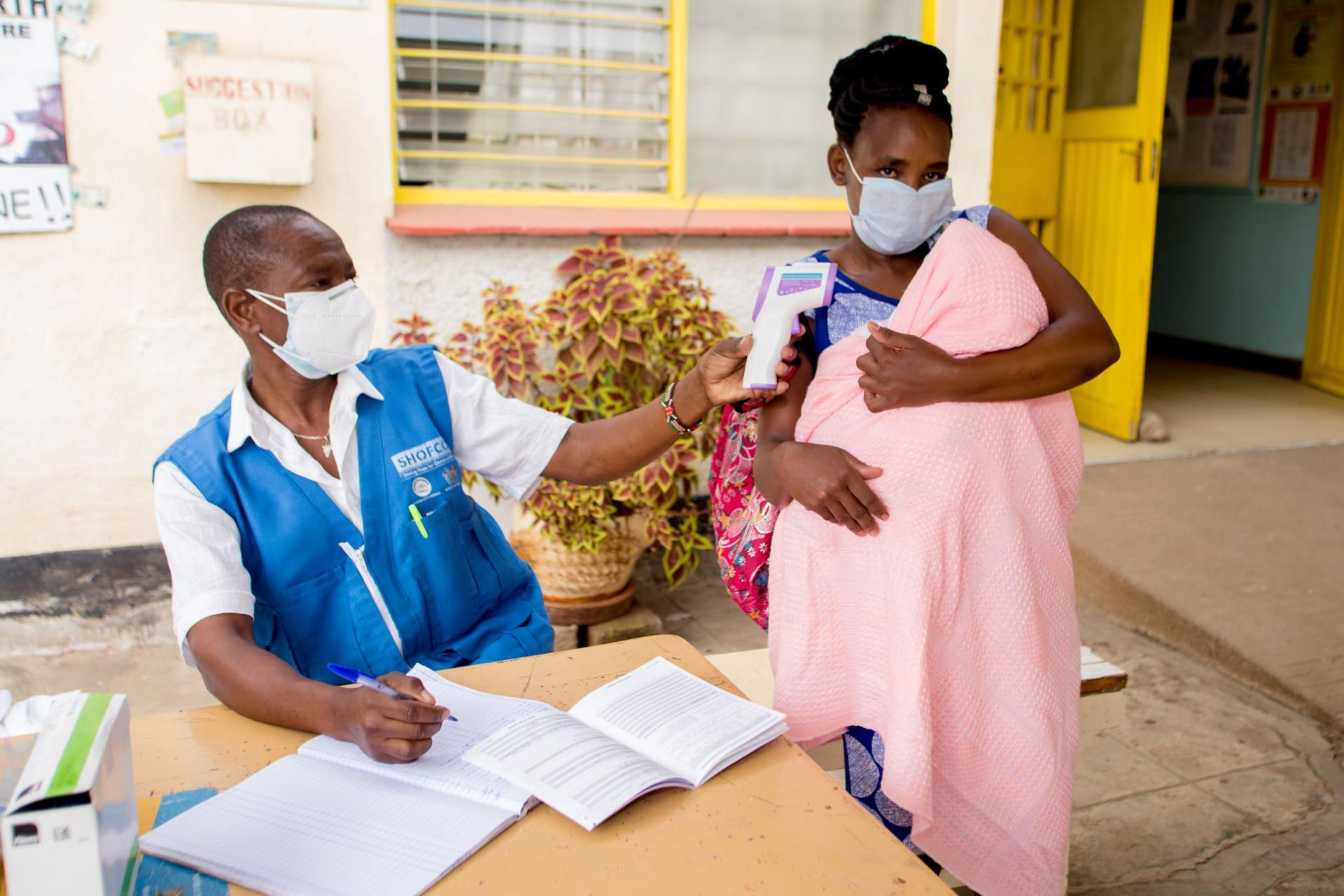
The answer to this question is complex and multifaceted. One major factor is the lack of access to basic healthcare services. Many Kenyans cannot afford to pay for medical care, and even those who can often have to travel long distances to reach a hospital or clinic. As a result, many illnesses go untreated or are not diagnosed until it’s too late.
Brian Mogambi, a student at Mount Kenya University, has seen firsthand the devastating impact of poverty on healthcare in his community. “I have witnessed many cases where people die because they cannot afford to pay for medical treatment,” he says. “It’s heartbreaking to see families lose loved ones because they cannot access healthcare.”
Another factor contributing to the link between poverty and mortality is malnutrition. Many poor Kenyans struggle to put food on the table, let alone access healthy and nutritious food. As a result, malnutrition is a widespread problem, particularly among children. According to UNICEF, approximately 26% of Kenyan children under the age of five suffer from chronic malnutrition, which can lead to stunted growth, weakened immune systems, and even death.
Brian Mogambi believes that addressing poverty and malnutrition should be a top priority for the Kenyan government. “We need more investment in healthcare and social welfare programs to help lift people out of poverty,” he says. “It’s not enough to just provide food aid or temporary assistance. We need sustainable solutions that empower people to take control of their own lives and wellbeing.”
Unfortunately, poverty in Kenya is not a problem that can be solved overnight. It will require a long-term commitment and investment from the government, civil society, and the private sector. But as Brian Mogambi reminds us, the cost of inaction is too high. “We cannot afford to lose more lives because of poverty,” he says. “We must act now to address this crisis and ensure that every Kenyan has the opportunity to live a healthy and prosperous life.”
In conclusion, poverty is a tragic and widespread problem in Kenya, and its impact on mortality is devastating. By investing in healthcare and social welfare programs, addressing malnutrition, and empowering people to take control of their own lives, we can begin to address this crisis and save countless lives. As Brian Mogambi reminds us, the time to act is now.
Similar Posts by The Mt Kenya Times:
- Drought in savanna areas: A crisis that demands urgent and lasting solutions
- The paradox of inclusion: Kenya’s progressive disability laws and the persistent reality of exclusion
- The marketplace mirage: Kenya’s dual mandate and the persistent carnival of deception
- Wamunyoro Alliance Takes Shape; Gachagua, Kalonzo, Wamalwa unite
- Gachagua, Kalonzo, Wamalwa unite: Kenya’s 2027 opposition battle takes shape
About the Author