The Mt Kenya Times
By: Midmark Onsongo
Worth Noting:
- The new funding model has been praised by these vice chancellors , but their praise is disingenuous. They see the model as a way to ensure a steady cash flow, even if it means pushing more of the financial responsibility onto parents.
- The tactic of barring students from sitting exams until their fees are fully paid is a clear indication of this approach. This strategy is ruthless, as it fails to consider the financial difficulties that many families face.
- The result is that more students may be forced to drop out of university or accumulate unsustainable levels of debt. Instead of finding ways to make education more accessible and affordable, universities are exacerbating the very problems they are supposed to solve.
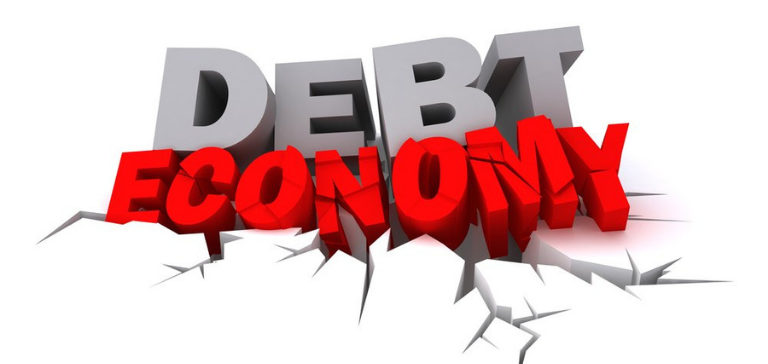 President William Ruto might argue that Kenyan universities were drowning in debt, struggling to stay afloat, and desperately needed intervention through the introduction of a new funding model. However, this narrative raises significant concerns. How did these institutions, which were once financially stable, accumulate such massive debts? What happened to the funds that were borrowed with the intention of improving the educational landscape? These are not just questions of financial oversight but of accountability and integrity within our higher education system.
For years, Kenyan universities enjoyed substantial income streams from multiple sources. Government allocations, tuition fees from regular students, and more notably, the booming self-sponsored programs provided robust financial inflows. These self-sponsored programs, in particular, were lucrative ventures. They attracted thousands of students who were willing to pay premium fees for the opportunity to pursue higher education. Universities were effectively minting money, and with these substantial revenues, they should have been able to manage their operations without resorting to unsustainable borrowing. Yet, despite these significant financial inflows, universities found themselves mired in debt. This situation points to a deeper problem—mismanagement of resources. The funds that were supposed to enhance learning environments, build infrastructure, and improve the quality of education were instead either misappropriated or poorly invested. The loans that universities took out, which should have been channeled into productive investments, ended up exacerbating their financial woes. Instead of creating value, these funds created liabilities, leaving the institutions in worse financial health than before.
What is even more perplexing is the failure of universities to liquidate assets to offset these growing debts. Over the years, many universities acquired significant assets, including land, buildings, and other properties. These assets, if strategically managed, could have been sold to alleviate financial pressures. However, rather than taking this pragmatic approach, university administrations allowed their debts to snowball. The question remains: why were these assets not leveraged to prevent the current crisis? The lack of financial prudence in managing these resources is glaring and has led to a situation where universities are on the brink of financial collapse.
Adding to this financial mismanagement is the concerning role of university leadership. President Ruto, in his bid to address the financial crisis in universities, appears to be listening more to Vice Chancellors than to other stakeholders in the education sector. This selective attention is troubling, especially considering the vested interests of Vice Chancellors. Their enthusiasm for the new university funding model is not born out of a desire to improve the education system but rather to shift the financial burden onto parents. The Vice Chancellors are more concerned with maintaining their institutions’ solvency and securing their positions than advocating for a sustainable and equitable solution to the funding crisis.
The new funding model has been praised by these vice chancellors , but their praise is disingenuous. They see the model as a way to ensure a steady cash flow, even if it means pushing more of the financial responsibility onto parents. The tactic of barring students from sitting exams until their fees are fully paid is a clear indication of this approach. This strategy is ruthless, as it fails to consider the financial difficulties that many families face. The result is that more students may be forced to drop out of university or accumulate unsustainable levels of debt. Instead of finding ways to make education more accessible and affordable, universities are exacerbating the very problems they are supposed to solve.
The real issue that these Vice Chancellors are avoiding is the fact that the current system is not working. They are reluctant to admit this to President Ruto, possibly out of fear of losing their positions or the funding that their institutions so desperately need. However, this failure to confront the truth has broader implications for the education sector. The new funding model, while it may provide a temporary solution to the universities’ financial woes, could lead to a surge in corruption, particularly in the allocation of loans and scholarships. As with many things in Kenya, these allocations could become a matter of who you know rather than what you deserve, further entrenching inequality in the education system.
Recently, the growing discontent within the education sector culminated in a meeting of student leaders from various universities. The atmosphere in the room was charged, and it wasn’t long before chaos erupted. Chants filled the air as student leaders unanimously rejected the new funding model. Their frustration was evident, as they voiced concerns about the future of higher education in Kenya. The leaders declared that protests would ensue as soon as universities resumed their activities. This strong stance from student leadership highlights the broader dissatisfaction within the education sector, which has reached a boiling point.
The rejection of the funding model by student leaders is not an isolated event. It reflects a broader sense of betrayal felt by many within the education community. Students, who are already struggling to meet the rising costs of education, see the new model as another barrier to their academic success. The fear is that the model will create a two-tier system, where only those with financial means can afford to pursue higher education, while others are left behind. This sentiment is echoed by teachers, who have also promised to strike in response to the lack of resources and support from the government. They argue that the new funding model does little to address the root causes of the crisis in the education sector and instead places an unfair burden on students and their families.
Adding to the unrest, lecturers are also planning to join the protests. Their frustration stems from delayed payments and worsening working conditions. Many lecturers have gone months without receiving their salaries, and the new funding model offers no solutions to these problems. Instead, it threatens to further destabilize an already fragile system. The prospect of widespread strikes by both teachers and lecturers poses a significant threat to the functioning of universities. If these strikes go ahead, it could lead to the complete shutdown of higher education institutions across the country, leaving thousands of students in limbo.
The question that looms large is: where is this leading the education sector? The situation is rapidly deteriorating, and the consequences could be dire. The financial mismanagement, rising costs, and lack of clear leadership from both the government and university administrations have created a perfect storm. If these issues are not addressed promptly and effectively, Kenya’s higher education system could face an unprecedented crisis. The potential for widespread protests, strikes, and institutional shutdowns is very real, and the impact on students, parents, and educators could be devastating.
The education sector in Kenya is at a critical juncture. The decisions made in the coming months will determine the future of higher education in the country. It is essential that all stakeholders—students, teachers, lecturers, university administrators, and the government—come together to find a sustainable solution. This solution must prioritize the needs of students, ensure financial transparency, and create a system that is equitable and accessible to all. Without such a commitment, the future of Kenya’s education sector remains uncertain, and the consequences could be felt for generations to come.
This article was scripted by;
MIDMARK ONSONGO
(Sustainable economist, Geo-Politics strategizer)
Similar Posts by The Mt Kenya Times:
- Diaspora Times Global Sep 26 – Oct 2, 2026
- RS South Africa supports next-generation edge AI with NVIDIA Jetson Orin Nano 2
- AFRICLOUD opens Lagos region and local-currency payments across African markets
- Fine Spinners targets Kenya’s US apparel supply chain with $5m investment
- Nuclear energy debate must begin with public trust and shared responsibility
About the Author