The Unbreakable Bond: Universities, Critical Thinking, And The Struggle For Democracy
 The Mt Kenya Times
Aga Khan University Hospital
By Jerameel Kevins Owuor Odhiambo
Worth Noting:
- In the face of such a threat, autocratic governments have employed various tactics to undermine the autonomy of universities and stifle academic freedom. Censorship, surveillance, and the imposition of ideological curricula are among the tools used to maintain control over the flow of information and limit the scope of intellectual inquiry. Dissenting scholars and students are often targeted, facing imprisonment, persecution, or exile for daring to voice their critiques openly.
- Yet, despite these repressive measures, universities have remained resilient bastions of resistance. Academic associations and faculty organizations have formed the backbone of opposition movements, providing a platform for collective action and amplifying the voices of those who dare to challenge the established order.
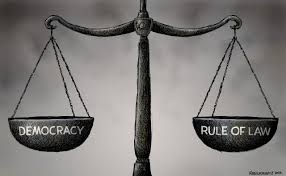
Throughout history, autocratic regimes and oppressive governments have viewed universities and academic institutions with a wary eye. The very essence of these bastions of higher learning poses an existential threat to the established order – the unrestrained exchange of ideas, the nurturing of critical thinking, and the relentless pursuit of truth. It is precisely this culture of intellectual freedom that autocrats fear, for it undermines the foundations of their control built upon the suppression of dissent and the propagation of sanctioned narratives.
Universities foster an environment where ideas are born, nurtured, and unleashed upon the world. Within their hallowed halls, scholars engage in rigorous debates, challenging conventional wisdom and questioning the status quo. This process of intellectual discourse is anathema to regimes that demand unwavering obedience and the acceptance of their ideological dogmas. Each academic inquiry, each new theory or critique, represents a potential crack in the facade of their carefully constructed reality.
Moreover, universities serve as incubators for the next generation of thinkers, leaders, and agents of change. Young minds are exposed to a vast array of perspectives, instilling in them a deep appreciation for critical analysis and a hunger for knowledge that transcends the boundaries of indoctrination. This cultivation of intellectual curiosity and independent thought poses a direct threat to the continuity of autocratic rule, which relies heavily on the passive acceptance of its citizenry.
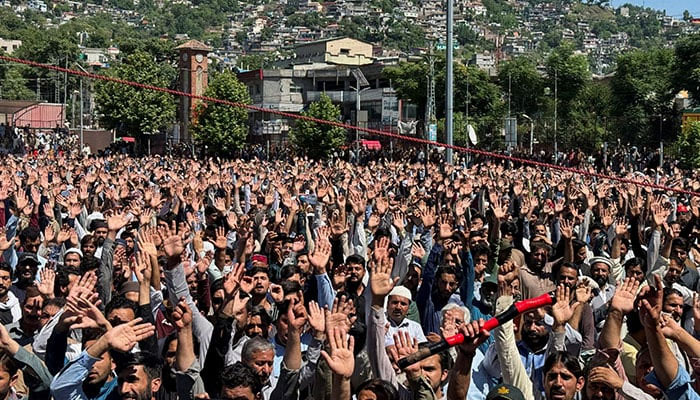
Historically, universities have played pivotal roles in catalyzing social and political movements that have challenged the foundations of oppressive regimes. From the student-led protests that toppled dictatorships to the academic discourse that fueled revolutions, the power of unconstrained thought has proven to be a formidable force against the entrenchment of authoritarianism.
In the face of such a threat, autocratic governments have employed various tactics to undermine the autonomy of universities and stifle academic freedom. Censorship, surveillance, and the imposition of ideological curricula are among the tools used to maintain control over the flow of information and limit the scope of intellectual inquiry. Dissenting scholars and students are often targeted, facing imprisonment, persecution, or exile for daring to voice their critiques openly.
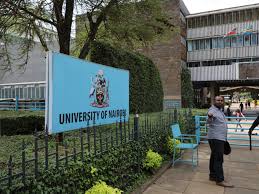
Yet, despite these repressive measures, universities have remained resilient bastions of resistance. Academic associations and faculty organizations have formed the backbone of opposition movements, providing a platform for collective action and amplifying the voices of those who dare to challenge the established order. Their unwavering commitment to the principles of academic freedom and intellectual integrity has served as a beacon of hope in the darkest of times.
Within the confines of university campuses, intellectual debates on issues of national and international importance take place, fostering a vibrant discourse that transcends the boundaries of the classroom. These discussions not only critique existing political and social conditions but also offer alternative visions and solutions, contributing to the broader struggle for democracy and human rights.
Furthermore, the research conducted within universities has often provided the empirical foundation for exposing the flaws and injustices of authoritarian regimes. From documenting human rights abuses to uncovering corruption and systemic oppression, the rigorous inquiries undertaken by academics have served as powerful weapons against the propagation of falsehoods and the erosion of truth.
It is this commitment to truth, coupled with the inherent strength of unconstrained intellectual discourse, that poses the greatest threat to autocratic rule. Regimes built upon the suppression of dissent and the manipulation of information cannot withstand the scrutiny of free and open inquiry. Each academic paper, each lecture, and each classroom discussion represents a chink in the armor of oppression, challenging the very foundations upon which these regimes rest.
The international nature of academia and the cross-pollination of ideas across borders further amplify the threat posed by universities. Scholars from diverse backgrounds and perspectives converge, exchanging knowledge and fostering a global community of critical thinkers. This interconnectedness ensures that the spark of intellectual resistance cannot be easily extinguished, as it transcends the confines of any single nation or regime.
 Ultimately, the conflict between autocratic regimes and universities is a battle between the forces of control and the forces of liberation. Governments that seek to maintain a stranglehold on power view the unfettered pursuit of knowledge as a direct challenge to their authority. In contrast, universities represent the unwavering commitment to intellectual freedom, the willingness to question and critique, and the pursuit of truth without fear or favor.
It is this fundamental tension that has long defined the relationship between universities and oppressive regimes. As long as the thirst for freedom and the pursuit of knowledge burn brightly within the halls of academia, universities will continue to be perceived as threats by those who seek to extinguish the flames of critical thought and independent inquiry. For it is in this realm of unconstrained intellect that the seeds of resistance are sown, and the struggle for democracy and human rights is nurtured and sustained.
The writer is a lawyer and legal researcher.
Similar Posts by The Mt Kenya Times:
- Kenya’s parliament races to tame the AI frontier
- Kalonzo calls Ruto to order over Uhuru attacks
- Gachagua takes his 2027 campaign to America
- Uhuru owns “sponsor” — and Ruto should be worried
- Sengwer youth: When will Kenya stop treating a minority like an afterthought?
About the Author