Trump’s Executive Order: How U.S. Aid Cuts Impact African Nations
 The Mt Kenya Times
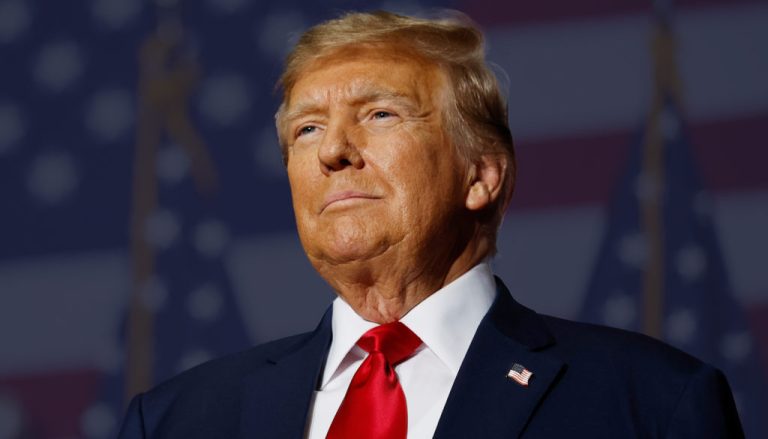
President Donald Trump
By: Silas Mwaudasheni Nande
On January 20, 2025, President Donald Trump signed Executive Order 14169, titled “Reevaluating and Realigning United States Foreign Aid,” initiating a 90-day suspension of all U.S. foreign development assistance programs to conduct a comprehensive review. This suspension encompasses a wide range of aid programs across numerous countries, including many in Africa.
Scope of Withdrawals
The suspension affects various forms of assistance, notably health programs and food assistance.
Health Programs: The halt has led to the cessation of antiretroviral drug distribution in numerous African clinics funded by the U.S. President’s Emergency Plan for AIDS Relief (PEPFAR) and the President’s Malaria Initiative. Consequently, patients have been forced to cancel appointments, and efforts to screen for and prevent malaria, tuberculosis, and HIV have been interrupted, increasing the risk of disease transmission and progression.
Food Assistance: The U.N. World Food Programme (WFP) received orders from Washington to halt work on dozens of U.S.-funded grants, affecting over $340 million worth of food supplies. This disruption impacts food aid in impoverished countries, including Yemen, Sudan, and Haiti, potentially leaving millions without essential food assistance.
Country-Specific Impacts

This suspension encompasses a wide range of aid programs across numerous countries, including many in Africa. While the order was framed as a broad reevaluation of American foreign assistance, its impact was disproportionately felt across Africa, where numerous health, food security, and development programs faced immediate halts. Countries like South Africa, Namibia, Nigeria, Ethiopia, and Sudan saw funding for critical initiatives—such as HIV/AIDS treatment, malaria prevention, and food aid—either frozen or significantly reduced. The move sparked concerns that Africa was being unfairly targeted, as humanitarian and health programs essential for millions were disrupted, while exemptions primarily favored U.S. strategic allies outside the continent.
Democratic Republic of the Congo (DRC)
Health Services: The halt in aid threatens life-saving support for approximately 1.2 million people, particularly in HIV prevention and treatment programs.
Ethiopia
Food Security: Suspension of aid disrupts food assistance programs, exacerbating challenges in regions already facing food insecurity.
Nigeria
Health and Education: The pause affects initiatives aimed at combating diseases and improving educational infrastructure.
Somalia
Humanitarian Aid: Critical support for displaced populations and drought-affected communities has been interrupted.
Sudan
Food Assistance: The U.N. World Food Programme (WFP) received directives to halt U.S.-funded grants, affecting over $340 million worth of food supplies intended for Sudan, among other countries.
South Africa
HIV/AIDS Programs: The suspension has led to concerns about increased transmission rates and treatment disruptions in HIV/AIDS initiatives.
Kenya
Healthcare Services: The freeze affects various health programs, including maternal and child health initiatives.
Tanzania
Educational Support: Funding for educational development projects has been paused, impacting school infrastructure and resources.
Uganda
Agricultural Development: Assistance aimed at improving agricultural productivity and food security has been suspended.
Zambia
Economic Aid: Programs designed to bolster economic development and reduce poverty have been halted.
Namibia
Namibia has been directly affected by U.S. President Donald Trump’s Executive Order 14169, which mandates a 90-day suspension of U.S. foreign development assistance to reassess program alignment with U.S. foreign policy.
Impact on Health Programs
The suspension has notably impacted health initiatives in Namibia, particularly those addressing HIV/AIDS. The U.S. Agency for International Development (USAID) issued a directive on January 27, 2025, instructing all implementing partners in Namibia to halt work under their respective funding agreements.
Organizations such as Project Hope and the Society for Family Health (SFH), which play crucial roles in HIV prevention and treatment, have suspended operations in compliance with the executive order. Project Hope’s country director, Rosalia Indongo, confirmed the cessation of work, advising staff to halt program-related activities immediately.
Namibian Government Response
Namibia’s Minister of Health and Social Services, Kalumbi Shangula, expressed confidence that the review will find no deviations from intended purposes and anticipates that funding will resume post-review. He stated, “We are confident that the review will find no deviation from the intended purposes, and I am confident that after the review, the funding will resume to the programs which are supported by the United States of America”
Namibia Current Status
As of now, the suspension remains in effect, and the Namibian health sector is navigating the challenges posed by the halt in U.S. aid. The full extent of the impact will depend on the outcomes of the ongoing review and any subsequent policy decisions.
The suspension of aid to these countries affects a broad spectrum of sectors, including health, education, food security, and economic development. The full extent of the impact will depend on the outcomes of the ongoing review and any subsequent policy decisions.
Financial Details
While exact figures for each country are not fully detailed, the suspension affects billions of dollars allocated for health, education, development, and other aid initiatives. For instance, the WFP’s halted grants alone account for over $340 million in food supplies. The broader freeze encompasses numerous programs across the African continent, with significant financial implications for each affected nation.
Exemptions and Clarifications
Initially, the suspension included exemptions only for emergency food assistance and military aid to Egypt and Israel. However, on January 28, 2025, exemptions were expanded to cover “humanitarian programs that provide life-saving medicine, medical services, food, shelter, and subsistence assistance.” Despite these exemptions, many critical programs, particularly those related to health and food security in African countries, remain affected.
Motive for the Executive Order
Trump’s decision to withdraw or suspend U.S. aid to African countries was framed as part of a broader effort to reevaluate and realign U.S. foreign assistance under Executive Order 14169, issued on January 20, 2025. The official justification for this move included:
- Ensuring U.S. Aid Aligns with National Interests – The executive order called for a 90-day review of all foreign aid programs to determine if they served America’s strategic and economic priorities. The Trump administration argued that U.S. taxpayers should not be funding programs that do not directly benefit American interests.
- Concerns About Corruption and Mismanagement – Trump’s administration has long expressed skepticism about aid effectiveness, citing alleged corruption, mismanagement, and lack of transparency in many recipient countries. Some African governments were accused of misusing aid funds rather than directing them toward development and humanitarian needs.
- Reducing Dependency on Foreign Aid – The Trump administration promoted a policy of “America First”, emphasizing trade and investment over traditional aid. The argument was that African nations should become self-sufficient rather than rely on continuous financial assistance from the U.S.
- Political Retaliation and Strategic Interests – Some analysts believe that geopolitical factors played a role. Countries perceived as aligning with China and Russia or those critical of U.S. foreign policy may have been disproportionately affected. For example, South Africa’s recent foreign policy stance, including criticism of the U.S. on global issues, may have contributed to aid cuts.
- Shifting Aid Priorities – While African development programs faced cuts, some U.S. aid funds were redirected to military and security cooperation in other regions, particularly in the Middle East and Eastern Europe. Exemptions to the aid freeze were also given to key U.S. allies, such as Israel and Egypt.
Although the executive order was framed as a temporary suspension for review, the impact on African nations has been severe, disrupting health, education, and food security programs relied upon by millions. Whether this review leads to a permanent cut in African aid remains uncertain.
Future of African without US aids
The withdrawal of U.S. aid is not the end for Africa, but it is a wake-up call for African nations to rethink their economic strategies, governance, and self-reliance. While aid has played a crucial role in supporting health, education, and development projects, over-reliance on external funding has often hindered Africa’s ability to develop sustainable solutions. The withdrawal presents an opportunity for African countries to take bold steps toward economic independence, innovation, and stronger regional cooperation such as:
- Strengthen Domestic Revenue Generation
- Improve tax collection systems to reduce dependency on foreign aid.
- Combat corruption and ensure funds meant for public development are used efficiently.
- Develop natural resources and industries responsibly to generate more government revenue.
- Promote Intra-African Trade
- Take full advantage of the African Continental Free Trade Area (AfCFTA) to boost regional trade and reduce dependence on Western economies.
- Invest in infrastructure (roads, railways, and digital networks) to facilitate trade among African nations.
- Attract More Private Investment
- Create a favorable business environment to attract local and foreign investors.
- Support small and medium enterprises (SMEs) to grow and drive economic development.
- Diversify Economies
- Reduce over-reliance on exports of raw materials by investing in value addition and manufacturing.
- Develop sectors like agriculture, tourism, and technology to create more jobs and generate revenue.
- Invest in Research and Innovation
- Promote STEM education (Science, Technology, Engineering, and Mathematics) to build local solutions to African challenges.
- Support agriculture innovation to ensure food security without depending on external food aid.
- Strengthen Regional Unity and Self-Sufficiency
- African countries should work together politically and economically to reduce external influence on their policies.
- Strengthen organizations like the African Union (AU) to lead in diplomacy and economic independence.
Turning the Challenge into an Opportunity
While the withdrawal of U.S. aid will create short-term difficulties, it also presents a chance for Africa to break free from dependency and become a global economic force. The future of Africa should not be determined by aid but by bold leadership, innovation, and strategic planning.
Conclusion
The executive order’s suspension of foreign aid has led to significant disruptions in essential services across numerous African countries. The halt in funding for health and food assistance programs poses immediate risks to vulnerable populations, potentially reversing years of progress in combating diseases and addressing food insecurity. The full extent of the impact will depend on the outcomes of the ongoing review and any subsequent policy decisions.
Similar Posts by The Mt Kenya Times:
- Mt Kenya Times ePAPER October 26, 2026
- Sakaja challenges Kamukunji police over Eastleigh suspect bail
- Muturi demands binding livestreaming rules for 2027 polls to prevent repeat of 2022 chaos
- NTSA calls for road safety to be declared a national disaster after 24 die in Mtito Andei crash
- Ruku turns on Waiguru over deputy president ambitions: ‘That seat is not being contested for’
About the Author