How rugged terrain, properly harnessed, can drive tourism, enterprise and opportunity in Homa Bay County
By Paul Kinyanjui
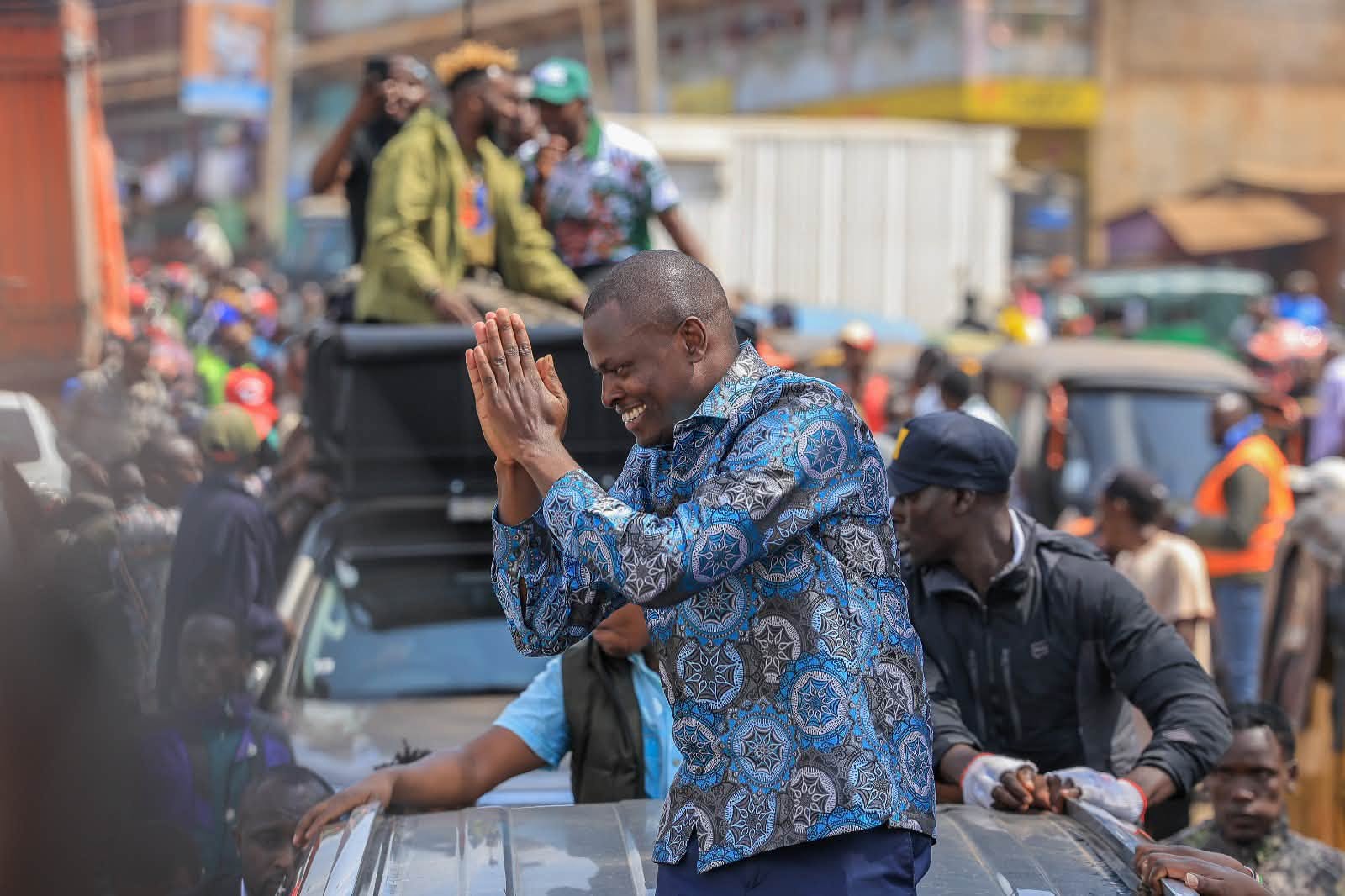
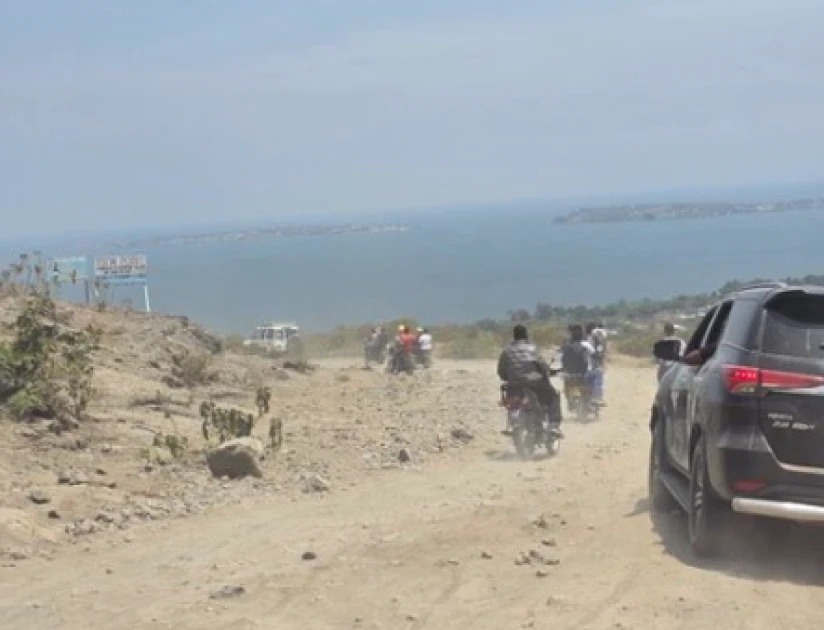
The dusty, rocky rural road that recently featured during the Linda Mwananchi political mobilisation entourage in Homa Bay County may, at first glance, appear to be a symbol of underdevelopment. Viewed differently, however, such roads can represent an economic opportunity. Rather than waiting for every rural road to be tarmacked before it becomes useful, Homa Bay can explore ways of turning selected rugged routes into destinations for motorsport, adventure tourism and local enterprise.
Kenya’s iconic Safari Rally began in 1953 as the East African Coronation Safari, organised to commemorate the coronation of Queen Elizabeth II. It initially traversed Kenya, Uganda and Tanganyika, covering thousands of kilometres over difficult terrain. It was incorporated into the World Rally Championship when the WRC was established in 1973, remaining on the calendar until 2002, and returned after a 19-year absence in 2021.
The old Safari was dramatically different from today’s event. Historically, competitors travelled enormous distances on open public roads, encountering mud, dust, rocks, wildlife and unpredictable weather. The modern WRC version uses controlled special stages, private estates and conservancies, with stronger safety and organisational standards. Yet rough gravel remains part of its identity. What began as a celebratory endurance adventure evolved into a test of driver and machine, then into an international sporting spectacle and an instrument of tourism promotion, employment creation and global branding — a reason why rural roads matter economically.
A Tourism Research Institute assessment found that the 2021 Safari Rally generated KSh6.7B in direct visitor expenditure, KSh3.7B in employment income and KSh9.6B in total value addition. The benefits are not confined to the host venue. Hotels, restaurants, fuel stations, transport operators, mechanics, informal traders, tour guides and accommodation providers all benefit from increased visitor traffic. In 2025, Naivasha businesses reported full hotels and heightened activity among restaurants, campsites, transport operators and other enterprises during the rally.
This presents a clear lesson for Homa Bay. A dusty rural road does not have to be seen only as infrastructure awaiting tarmac. Some roads can become economic assets precisely because of their rugged character. The county could identify suitable stretches for county-level rally competitions, autocross, 4×4 challenges, cycling, motorbike events and adventure drives — subject to Kenya Motor Sports Federation regulations, environmental assessments, landowner consent and rigorous public-safety measures. Temporary spectator zones, parking areas and service points could be established along carefully selected routes.
Such events would create demand for accommodation, food, fuel, vehicle repairs, security, transport, entertainment and locally produced goods. Small businesses could establish temporary or permanent enterprises around event corridors. Young people could develop careers in driving, mechanics, photography, event management, hospitality and tourism.
The opportunity extends beyond motorsport. Homa Bay’s landscape, Lake Victoria shoreline, islands, fishing communities, cultural heritage and rural scenery could be packaged into adventure-tourism circuits, with motorsport acting as the initial draw.
Homa Bay should therefore ask a different question: what can our difficult terrain produce before we transform it? Instead of seeing every rocky road only as a problem, the county can identify routes whose physical characteristics support carefully regulated sporting and tourism activities, while continuing to improve them progressively. Other counties can adopt the same philosophy. Kenya’s rural landscapes are diverse enough to support motorsport, mountain biking, hiking, cultural tourism and off-road adventure. The Safari Rally has demonstrated that challenging terrain can become part of a destination’s selling point rather than merely an obstacle.
There is also a broader strategic opportunity. Kenya’s nuclear-power planning studies have considered the Lake Victoria Basin among potential regions for nuclear development, and Homa Bay has featured in preliminary suitability assessments. Water availability alone, however, does not make a location suitable — environmental, safety, flooding, land-use, grid and other technical considerations must be satisfied before any nuclear facility could be approved.
Homa Bay’s dusty roads, rugged landscapes and strategic location should be viewed not as signs of underdevelopment, but as potential economic assets. The county does not need to wait for every road to be tarmacked before attracting visitors, investment and enterprise. With deliberate planning, suitable routes could host regulated motorsport, adventure tourism and sporting activities, creating opportunities across accommodation, transport, food, mechanics, entertainment and local trade. Communities and landowners should be involved throughout, with strong safety and environmental standards guiding every stage of development.
The key lesson is that development is not simply about eliminating challenges — it is about transforming existing strengths into competitive advantages. With vision and strategic investment, a dusty road can become an economic opportunity.
Paul Kinyanjui is an independent Researcher, Analyst, Critic, Writer on Emerging Issues and Trends with an aim to Create Awareness, Educate, Enlighten, Empower and Inspire_
EMAIL: Kinyanjuipaul2030@gmail.com