The Mt Kenya Times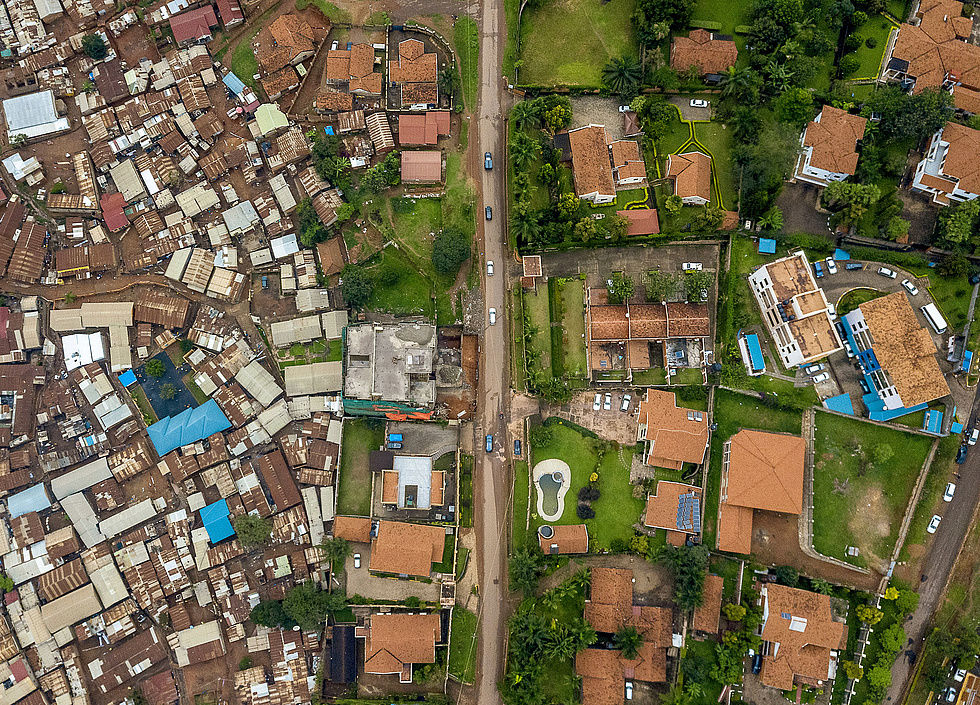
Where streets are chaotic, projects collapse, and promises remain unfulfilled: Urban planning in Kenya is a circus
By: Midmark Onsongo
Worth Noting:
- The irony is hard to ignore. We are told by urban planners and politicians alike that the country is gearing up for a future in which cities are smart, sustainable, and capable of holding the masses. The reality, however, is far from this polished picture.
- In Nairobi, a city of over four million people, the streets are congested, the infrastructure is outdated, and the urban sprawl is a nightmare. The government has continuously promised grand developments – from the affordable housing projects in the Big Four Agenda to the Nairobi Expressway – but the execution of these projects often leaves much to be desired.
Kenya’s urban landscapes are a shocking sight, almost like a joker’s face smeared with makeup – never quite what you expect, but always managing to leave an impression. Walk through Nairobi, or any other city for that matter, and you’ll be hit with a series of contradictions: flashy skyscrapers right next to dilapidated structures, roads that lead to nowhere, and traffic jams that defy any sense of logic. Kenya, a nation that prides itself on rapid economic growth, is still struggling to get its urban planning right. Why is it that in the 21st century, we still find ourselves asking, “Why can’t we get this right?”
Urban planning is more than just the alignment of buildings and roads; it’s the backbone of every city, a system that should balance the needs of its people and the sustainability of its resources. Yet in Kenya, urban planning is a farce – a puppet show where the puppeteers seem to forget that the strings they pull are the very fabric of the country’s future.
To understand this issue, let’s travel back to 2018. A year where Kenya’s then-President, Uhuru Kenyatta, launched the Nairobi Integrated Urban Development Master Plan (NIUPLAN), an ambitious plan aimed at transforming Nairobi into a world-class city. This plan promised everything: affordable housing, efficient transport, and sustainable urban spaces. Yet, as 2024 rolls in, none of these promises have been fully realized. Why? Is it a lack of vision or a glaring lack of execution? Or is it simply the case that Kenyan urban planning is a game of smoke and mirrors, where what is presented on paper is never truly built on the ground?
The irony is hard to ignore. We are told by urban planners and politicians alike that the country is gearing up for a future in which cities are smart, sustainable, and capable of holding the masses. The reality, however, is far from this polished picture. In Nairobi, a city of over four million people, the streets are congested, the infrastructure is outdated, and the urban sprawl is a nightmare. The government has continuously promised grand developments – from the affordable housing projects in the Big Four Agenda to the Nairobi Expressway – but the execution of these projects often leaves much to be desired.
The Nairobi Expressway, for instance, was meant to be a marvel, alleviating traffic and contributing to the city’s infrastructure revival. Yet, its completion was marred by delays, accusations of corruption, and the environmental cost it left in its wake. The same can be said for other large projects such as the Konza Technopolis, a so-called “Silicon Savannah” that promises to turn Kenya into a technology hub. But, like many of the grandiose plans before it, Konza remains more of a mirage than a reality.
This is where the true contradiction of Kenya’s urban planning emerges: there is no shortage of ambitious goals, but there is a staggering failure in realizing them. The urban planners, politicians, and developers speak in a chorus of optimism, but when you look at the ground level, it’s a different story. Roads are poorly constructed; buildings are erected without considering basic amenities such as water and electricity; and the very people who are supposed to benefit from these urban developments often end up the victims of poor planning.
So, who is to blame? Is it the local authorities who lack the political will to enforce proper planning regulations? Or is it the urban planners, who, despite their qualifications and expertise, are constantly stifled by corruption and bureaucratic red tape? Perhaps the blame lies in the hands of both, as they engage in a deadly dance of incompetence. A perfect example of this dance is seen in the Matatu (public transport) sector, which continues to operate without regulation. Instead of working towards creating an integrated transport system, the government has failed to tame the chaos that is the heart of Nairobi’s transportation problems. The result is a system that is not only inefficient but dangerous as well.
Moreover, the socio-economic divide in urban Kenya adds another layer to the complexity of urban planning. On one side, you have the gleaming high-rise offices, luxury apartments, and shopping malls. On the other side, there are the slums – overcrowded, underdeveloped, and largely ignored by the authorities. This glaring disparity has a direct impact on the people who live in these areas, where issues such as water scarcity, lack of sanitation, and poor infrastructure are common. It’s a sad irony that while Kenya continues to boast about its rising middle class and urban development, the majority of its people still live in deplorable conditions.
It’s not just Nairobi. In Kisumu, Eldoret, Mombasa, and other cities, the story is the same. The rapid urbanization of Kenya has outpaced the country’s ability to plan for it. In Kisumu, for example, there are massive developments happening around Lake Victoria, yet there is no comprehensive plan for managing the environmental impact of these developments. Mombasa, with its tourist-heavy economy, has also struggled with urban planning, as population growth has put immense pressure on infrastructure, leading to constant flooding and poor waste management. Eldoret, once a sleepy town, is now expanding rapidly without the necessary planning to handle its growth.
Urban planning in Kenya is not just about fixing roads and putting up buildings; it is about creating a sustainable future for everyone. It’s about creating spaces that are safe, inclusive, and environmentally friendly. Unfortunately, this requires more than just good intentions; it requires political will, accountability, and a deep understanding of the needs of urban communities.
It’s easy to blame the government for these failures, but we must also hold ourselves accountable. As citizens, we often turn a blind eye to the inadequacies of our cities. We live with the traffic jams, the poor infrastructure, and the chaos, as though it’s just a part of life. But it doesn’t have to be this way. Urban planning should be a call to action – a chance for Kenyans to demand better from their leaders. It’s not enough to hope that the government will solve our problems. We must push for change, demand transparency, and hold our leaders accountable. The future of our cities depends on it.
So, what’s the solution? Can Kenya’s cities truly be transformed into smart, sustainable metropolises, or is this just a pipe dream? The answer lies in the hands of those who govern and those who are governed. It’s time to stop pretending that urban planning is a luxury, something we can do without. It’s time to face the truth: without proper planning, the future of Kenya’s urban spaces will remain as chaotic as its streets. But for now, we can only watch, wait, and wonder: who really benefits from this urban circus?
This article was scripted by;
MIDMARK ONSONGO, SGS
(Socio-Geographic Scholar)
Similar Posts by The Mt Kenya Times:
- Mt Kenya Times ePAPER September 28, 2026
- Kalonzo turns 40-year jibe into rule of law defence
- Roseline Njogu emerges as leading voice in Kenya’s diaspora and labour mobility agenda
- Ruto: Expansion of Mzima Springs water project to begin this year
- Linda Mwananchi settles on Sifuna as 2027 presidential flagbearer
About the Author