The Rocky Land Of Seme

By Omedi Diana
Worth Noting:
- It evolved into a personal journey of identity and belonging, a reflection on my own story while immersing myself in theirs. Each step closer to Kit Mikayi felt like a deeper understanding of our shared history. This wasn’t just a geographical journey; it was an awakening to the interconnectedness of human experience.
- As I neared Kit Mikayi, a sense of purpose settled over me. I wasn’t just a tourist; I was a storyteller, an observer weaving my perspective with the voices of this ancient land. Kit Mikayi promised wisdom and inspiration, and as I ascended, I felt an exhilarating surge of purpose. I was there to listen, learn, and share stories long hidden in the shadows.

The sun, a molten ball of fire, splashed gold across the rolling hills of Seme, Kenya. Following the well-worn path to Kit Mikayi felt less like a hike and more like stepping into a time machine , every crunch of gravel whispered stories from the past, like echoes of countless journeys. The air, thick with the scent of rich earth and blooming wildflowers, buzzed with an almost tangible energy. Looming on the horizon, Kit Mikayi, a massive rock formation, stood sentinel, a silent guardian of myths and realities. This wasn’t just a trip; it felt like a pilgrimage to the heart of Luo heritage.
Kit Mikayi, frequently dubbed “the wife’s stone,” is far more than just a pretty rock. Nestled in the scenic Nyanza region, it’s the beating heart of Luo culture, a living testament to their history. Generations of stories , tales of love, resilience, and the unwavering spirit of women cling to its weathered surface like tenacious ivy.
Legend casts Mikayi as a devoted wife, unjustly wronged and tragically transformed into stone. Her story, a potent blend of unwavering loyalty and devastating betrayal, speaks volumes about fidelity and strength, drawing visitors seeking both inspiration and solace. The journey itself is a pilgrimage not just a scenic stroll, but a trek through time and spirituality. You’re not merely walking on the earth; you’re walking in the footsteps of your ancestors, each step resonating with legends of sacrifice and redemption. It’s like tracing the lines of a family heirloom, passed down through countless generations.
The landscape itself plays a pivotal role in this narrative , the hills, valleys, and expansive sky intertwine past and present. Locals readily share their stories, enriching the experience and creating a powerful bond between visitor and history. It’s a shared experience, a bridge across generations, reinforcing community ties a feeling akin to receiving a cherished family heirloom.
Kit Mikayi also embodies the Luo people’s deep connection with their environment. It’s not just a rock; it’s a symbol of profound respect and reverence for nature. The sun’s warm embrace paints the stones in ever-shifting hues, a vibrant canvas depicting stories of joy, sorrow, and the community’s enduring hope. It’s a breathtaking spectacle, really.
My own journey began with a mixture of excitement and apprehension. It wasn’t just a sightseeing trip; it was a deep dive into history, myth, and cultural significance. The rhythmic thud of my boots echoed the land’s heartbeat a constant reminder of those who walked this path before me. The sunrise painted the horizon in fiery gold, each step feeling monumental, like uncovering buried treasure.
More than reaching a destination, it was about connecting with the environment, the narratives, and the people. The path unfolded like a captivating novel, each turn revealing new chapters brimming with folklore and laughter. The lush hills seemed to invite quiet reflection, a testament to nature’s profound simplicity.
I was captivated by the local narratives, the mythical woman turned to stone, the legends shaping cultural identity, and the traditions still alive in the hearts of the people. I yearned to understand not just Kit Mikayi, but the very pulse of the community their struggles, resilience, and unwavering spirit.
It evolved into a personal journey of identity and belonging, a reflection on my own story while immersing myself in theirs. Each step closer to Kit Mikayi felt like a deeper understanding of our shared history. This wasn’t just a geographical journey; it was an awakening to the interconnectedness of human experience.
As I neared Kit Mikayi, a sense of purpose settled over me. I wasn’t just a tourist; I was a storyteller, an observer weaving my perspective with the voices of this ancient land. Kit Mikayi promised wisdom and inspiration, and as I ascended, I felt an exhilarating surge of purpose. I was there to listen, learn, and share stories long hidden in the shadows.
The journey to Kit Mikayi wasn’t simply about reaching a destination carved from stone; it was about embracing a transformative experience, one that would resonate long after my departure. It was, in a word, unforgettable.
The closer I got to Kit Mikayi, the more palpable the tension became. Centuries of stories , love, betrayal, enduring spirits seemed etched into the very rock. The setting sun cast long, deceptive shadows, whispering fragments of legend. The outcrops seemed to lean closer, as if the earth itself bore witness, urging me to listen. I felt the pulse of mythical history, a vibrant tapestry woven from countless lives. The legend of Kit Mikayi, the stone woman, felt utterly real a protector, a nurturer, but also a force to be reckoned with.
But the challenge wasn’t solely mythical; it was physical as well. The terrain was demanding, boulders jutting out like ancient sentinels, slick with moss. My breath grew short, a stark reminder of my own vulnerability. A deeper conflict brewed my role as an outsider navigating a culture rich in tradition, grappling with the nuances of reverence and intrusion.
The distant murmur of villagers laughter and reminiscing, reminded me of the community intertwined with these myths. I felt both drawn in and isolated, an observer of a world thriving on stories as real as the rocks themselves. The conflict was as daunting as the ascent to honor what I didn’t fully understand while acknowledging my own limitations.
The evening sky blazed as I approached the formations, the rocks illuminated like ancient guardians. I paused, heart pounding not just from exertion, but from the realization that these weren’t just narratives; they were lived experiences forging a profound connection between land and people. In that moment, I understood, the journey to Kit Mikayi was an immersion into a living tapestry of hope, fear, and an indomitable spirit.
The air shimmered with energy as I finally reached Kit Mikayi, a gravitational pull drawing me to the legendary monolith. Each step felt lighter, as if the place itself lifted the weight from my heart. The descending sun cast golden hues, a celestial homage to the sacred site. It was truly inspiring.
The monolith’s presence transcended its physical form. Kit Mikayi, the “stone woman,” embodied heritage, strength, and resilience. For the people of Seme, she was a matriarch, her spirit enveloping the land, her stories woven into their very lives.
Time and space converged. Legends flooded back tales of hardship, love, and enduring community spirit. Each narrative danced in my mind, painting a vivid picture of ancestors who walked these paths, finding solace at Kit Mikayi’s feet.
I began to understand the power of belief. This was not just a site; it was a living testament to generations of dreams and struggles. Here, I realized stories, like rocks, shape identities and rally spirits. Myth and reality blurred, revealing a profound truth: belief connects across time, cultures, and the human experience.
The realization washed over me like a tidal wave. My quest for meaning mirrored the struggles of those who held Kit Mikayi sacred. I sought understanding, but unearthed a piece of my own spirit, a longing for belonging, for connection to something greater. Kit Mikayi transcended the physical; she became a beacon of hope, a reminder that even in life’s rocky terrains, we find strength in our stories.
Closing my eyes, I felt profound gratitude a connection to the land, the stories, and the people. My pilgrimage was more than a journey through Seme; it was a passage into myself an exploration of belief, identity, and the enduring power of place. A new chapter unfolded, written in the language of ancestors and the quiet truth of my own becoming.
Descending from Kit Mikayi, my heart overflowed with reflection and gratitude. The daunting path now seemed to cradle my steps, linking memories to the understanding I’d forged. I’d arrived a skeptic, questioning mythology against historical fact. Now, I left with deeper respect for the mythos surrounding Kit Mikayi a realization that reshaped my perception of belief itself.
Comparing Kit Mikayi to other historical sites, a stark contrast emerged. Many command attention through grandeur and scale, but Kit Mikayi offered something more intimate and organic. It breathed life, a living testament to community and culture, steeped in everyday experiences.
Unlike artifacts encased in glass, Kit Mikayi was woven into the landscape and its community. The legends weren’t just stories; they were vibrant narratives lived and shared. This interplay of natural and spiritual created a unique atmosphere transcending historical significance , belief was tangible, emotional, and personal.
This journey went beyond history lessons; it was an enlightening encounter with cultural identity. Kit Mikayi taught me that myths are living frameworks providing meaning and belonging. They navigate the complexities of existence, connect generations, and anchor us to our roots. I’d seen a gap between past and present, myth and man. Here, I discovered a continuum , our stories and beliefs shape us as profoundly as the land we inhabit.
My journey was part of a larger narrative respect for traditions flourishing amidst modernity. I sought understanding and left with appreciation for the power of stories to bind us, serve as bridges between generations, and foster respect for sacred places.
It wasn’t grandeur or history that marked this journey; it was the revelation that Kit Mikayi’s spirit lives in the hearts of those who walk her path. I returned home transformed, understanding that skepticism must yield to curiosity, recognition, and reverence.
The sun dipped below the Seme horizon, casting long shadows over the ancient stones , silent witnesses to countless stories. The path to Kit Mikayi unfurled like a memory, winding through the landscape. Approaching the sacred site, the air thickened with reverence, a weight of history inviting me to pause, to listen.
I reached the imposing rock formations, their jagged edges illuminated by the last rays of sunlight. This was Mikayi’s legendary home, the woman whose tale was woven into Seme’s fabric the matriarch who stood tall, her spirit unyielding. I felt the weight of local wisdom whispered on the wind, an echo of her resilience.
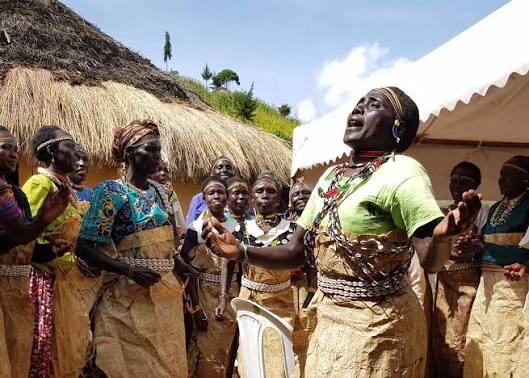
As dusk settled, villagers gathered, their faces lit by a fire’s flicker. Children played, their laughter intertwining with the elders’ stories of lost loves and indomitable spirits. The fire crackled, casting a warm glow on faces filled with nostalgia and pride. It was a truly magical scene.
An elder, his hands gnarled like ancient tree roots, recounted Kit Mikayi’s legend. With each word, the world grew still, as if time itself paid homage. He spoke of the cliffs holding Mikayi’s tears, the sanctuary welcoming her spirit , the earth itself, her legacy imprinted on the land.
I felt the community’s pulse more profoundly. Kit Mikayi seemed to hover, a guardian of our stories, struggles, and triumphs. The stars twinkled overhead, a reminder of the infinite narrative woven into our existence.
I posed a question, almost impulsively: “What if the world forgot her?” Silence fell. Faces turned, some perplexed, others contemplative. The elder, with eyes holding the universe, responded: “The land never forgets. The rocks and winds are our memory.”
An understanding settled within me about Kit Mikayi, and the human need for connection, belonging, remembrance. As I left, I took one last look at the moonlit outcrops. My footsteps were now part of the path to Kit Mikayi a testament to the journey we all undertake, to honor those who came before and ensure their legacy never fades. I walked away, carrying a piece of the land’s spirit, the weight of untold stories, a promise to never forget.
By Omedi Diana, Rongo University.
Similar Posts by The Mt Kenya Times:
- Wamunyoro Alliance Takes Shape; Gachagua, Kalonzo, Wamalwa unite
- Gachagua, Kalonzo, Wamalwa unite: Kenya’s 2027 opposition battle takes shape
- Beyond the rubble: Nairobi’s building collapses are a failure of systemic oversight
- Political alliances intensify ahead of Kenya’s 2027 elections
- The pressure to make it before thirty
About the Author