‘We feel unwanted here’: Burundians weigh departure as 90-day amnesty deadline looms
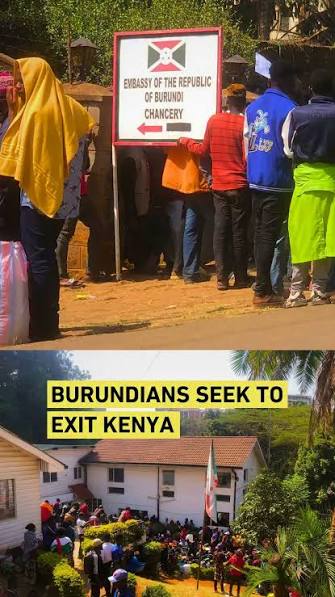
With 16,000 nationals ordered to regularise their status or leave, many Burundians say they would rather return home than remain in a country where they no longer feel welcome
By Agnes Otieno
The Kenyan government issued a 90-day amnesty in August for Burundian nationals to either acquire proper documentation or exit the country. But instead of rushing to comply, many are packing their bags.
The directive affects an estimated 16,000 Burundians living in Kenya, most of them in Nairobi, Nakuru and border counties. Officials have described it as part of broader efforts to regularise immigration records and address security concerns. Human rights groups, however, argue that the timing — coming months after a wave of political violence targeting opposition gatherings — has deepened fear within refugee communities and is pushing people out rather than bringing them into compliance.
Human Rights Watch reported this week that six people had been killed and dozens injured in attacks on civil society meetings and political gatherings in recent months. For many Burundians, that context makes the amnesty feel less like an administrative exercise and more like a signal that they are no longer welcome.
For a significant number of those affected, Kenya has been home for more than a decade. They run small businesses, send their children to Kenyan schools and have built lives that extend well beyond the camp system. Many have children born on Kenyan soil.
The amnesty requires proof of legal entry, valid work permits and police clearance certificates — documents that many say are difficult to obtain at short notice and at considerable expense. Others fear that presenting themselves to authorities will flag them for deportation rather than regularisation. The result is that a process designed to bring people into the formal system is, in practice, driving many towards an exit.
Community leaders say some families have already begun crossing back into Burundi through Busia and Isebania, while others are heading to Uganda. The movement is quiet but steady, with households making calculations about risk, cost and dignity.
“We feel unwanted here,” one community representative said, capturing a sentiment that has spread widely among Burundians in Nairobi. The phrase has become something of a refrain in a community processing both the practical demands of the amnesty and its psychological weight.
The move comes as East Africa continues to grapple with large-scale refugee flows from the Democratic Republic of Congo and Sudan. Kenya currently hosts more than 700,000 refugees in total, the majority in the Dadaab and Kakuma camps. The Burundian population is smaller and more urban, which has historically made its members less visible in policy discussions but no less vulnerable to sudden shifts in official posture.
Analysts say the way Kenya handles the Burundian case will be closely watched, particularly with the 2027 general election approaching and political temperatures rising. Opposition figures have drawn large crowds by channelling public frustration over governance, and the treatment of foreign nationals has the potential to become a flashpoint in a charged political environment.
Civil society organisations are calling on the government to extend the amnesty period and provide legal aid to help affected individuals navigate documentation requirements. The Ministry of Interior has not indicated whether any extension is under consideration.
For now, families are making difficult choices: risk remaining without documentation, absorb the cost and uncertainty of the application process, or leave behind years of built lives in Kenya. None of the options is straightforward, and the deadline is drawing closer.
The 90-day window expires in November. How the government responds to the mounting pressure from rights groups and affected communities in the weeks remaining will determine whether the amnesty is remembered as a regularisation exercise or as the moment Kenya’s Burundian community began to leave.
Similar Posts by The Mt Kenya Times:
- A comparative insight into Romantic and South Asian Poetic Heritage
- Kenya’s 2027 election is taking shape — and the early signs are troubling
- WhatsApp platform offers CBC career guidance at KSh 300 a report
- Kajiado’s blackout is a test Kenya’s government is failing in plain sight
- Night of Praise: Charambas and Cherayis lead Odyssey Gospel Concert in Zimbabwe
About the Author