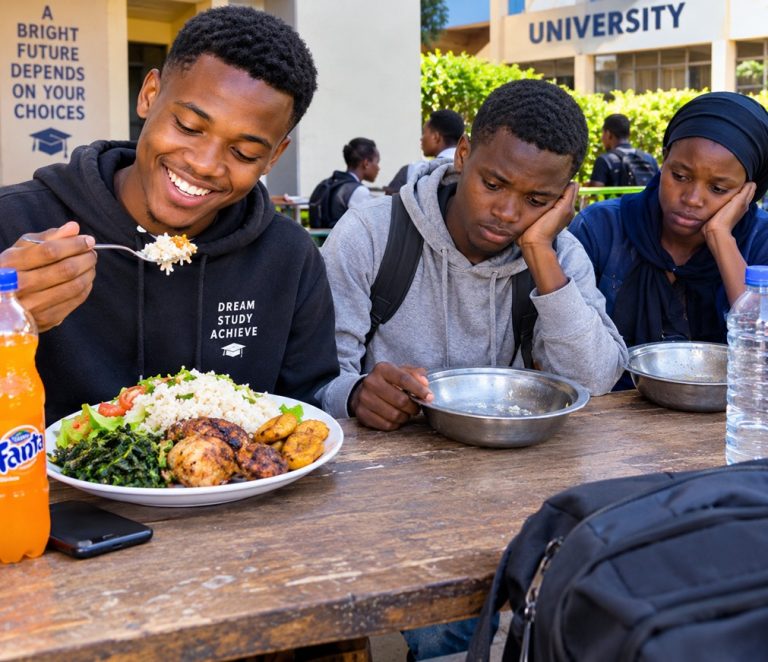
Kenya’s graduates are emerging better prepared than ever — into a job market that is not ready for them.
By Yvonne Wambui
For years, Kenyan families have sacrificed everything for education. Parents borrowed money, sold property and worked extra shifts, convinced that a certificate, diploma or degree would secure their children a better future. Many of those children believed it too — and studied accordingly.
Yet across the country today, thousands of graduates are sending applications into silence, attending interviews that lead nowhere and returning home to families who invested everything in a promise that has not been kept. Graduation, which should mark a beginning, has for many become the start of a different and harder struggle.
The problem is not that education has lost its value. Knowledge, critical thinking and professional skills remain essential. The problem is the widening gap between what institutions produce and what the economy absorbs. A young person can spend years in school, drawing on family resources and public funds, only to discover that the job market they prepared for barely exists.
This gap is not felt equally. Graduates with connections, financial cushions or influential networks navigate the transition far more smoothly than those competing on merit alone. That disparity is not just unfair — it is wasteful. Kenya cannot afford to sideline talent because it arrived without the right contacts.
Employers demanding years of experience from entry-level applicants while offering no pathway to gain it are part of the problem. Internships, apprenticeships and structured graduate programmes are not luxuries — they are the mechanisms through which experience is built and careers begin.
We told our children to work hard, stay in school and trust that education would open doors.
It is long past time to make sure those doors actually exist.
Similar Posts by The Mt Kenya Times:
- Optimizing traffic flow at urban intersections and methods for reducing congestion
- Kenya as a global nation
- Hardship and peer pressure in universities
- Laikipia students swap lectures for Ingwamiti Hills
- Kenya’s research reactor: A bet on knowledge and self-reliance
About the Author