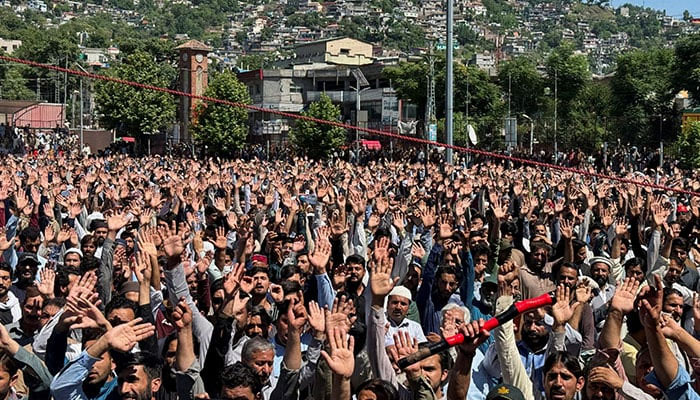
Beyond the rally stage and the campaign slogan lies a simple demand: results that reach people’s homes
By Levis Wangamati
For years, Kenyan politics has been a competition of microphones — louder rallies, grander promises, catchier slogans — yet when the crowds disperse and the campaign stages come down, the ordinary citizen returns to the same unanswered questions: Will tomorrow be any easier than today? Will my children have better opportunities? Will hard work finally be enough?
Kenyans have reached a point where speeches alone no longer inspire confidence. They have heard promises of transformation, empowerment and economic revival before. What they crave now is something far more powerful than eloquence: credibility.
The average Kenyan does not wake up thinking about political rivalries. They wake up wondering whether their salary will last the month, whether their business will survive another week, whether school fees can be paid on time, and whether a visit to the hospital will spiral into a financial crisis. These are the conversations happening around breakfast tables, inside matatus, at marketplaces and in village centres. They are the quiet, daily realities against which every political promise is measured — and too often found wanting.
Young people are not asking for shortcuts. They are asking for a fair chance — an economy where qualifications matter, where innovation is rewarded, and where success depends more on effort than on connections. They are tired of being celebrated as the leaders of tomorrow while watching tomorrow get perpetually postponed.
Farmers want predictable markets, not unpredictable policies. Entrepreneurs want room to grow without being suffocated by uncertainty. Workers want wages that sustain families with dignity. Parents want schools that open doors rather than close them. Patients want hospitals that restore health rather than deepen financial hardship.
Kenyans also want a different kind of language from those in power — less blame, less political theatre, less triumphalism, and considerably more humility, accountability and genuine listening. Leadership is not measured by how often a leader speaks. It is measured by how deeply a leader understands the people they serve.
The fight against corruption remains another unfinished conversation. Every public shilling lost to greed is a classroom never built, a hospital never equipped, a road never completed, or an opportunity stolen from a deserving young person. Citizens no longer want dramatic announcements followed by silence. They want accountability that is visible, measurable and consistent enough to be trusted.
Perhaps most importantly, Kenyans want to hear words that bring people together rather than pull them apart. Elections should determine governments, not permanently divide neighbours. The future of this nation cannot rest on surnames, regions or political camps. It must rest on competence, integrity and a shared conviction that every Kenyan deserves an equal shot at a decent life.
Hope, however, cannot be manufactured by speeches alone. It is built when food prices become manageable, when graduates find meaningful work, when businesses expand instead of closing, and when families begin to feel that their sacrifices are producing something real. Hope is not what politicians promise from a podium. Hope is what citizens experience at home.
The challenge before Kenya’s leaders is, at its core, a simple one. Speak honestly. Deliver consistently. Admit mistakes when they happen. Let policy matter more than public relations, and let service matter more than political survival. Citizens are no longer impressed by applause at rallies. They are impressed by results that actually reach their lives.
In the end, Kenyans are not asking for perfect speeches. They are asking to hear the truth, to witness integrity, and to experience leadership that makes everyday life measurably better. The most convincing address will never be delivered from a podium. It will be written in affordable food, decent jobs, quality healthcare, thriving businesses and a national atmosphere in which every citizen genuinely believes that tomorrow holds more promise than today.
When that day comes, leaders will no longer need to persuade Kenyans that they are working. The lives of the people will speak louder than any microphone ever could.
Similar Posts by The Mt Kenya Times:
- Mt Kenya Times ePAPER September 17, 2026
- Ruto and Uhuru: The rupture at the heart of Kenya’s 2027 election
- Gakoromone traders and rights group demand closure of sewage discharge
- Retirement is not disenfranchisement: Reclaiming the constitutional rights of Kenya’s former presidents
- Kenya’s 2027 election: Can technology strengthen democracy or manipulate voters?
About the Author