Dan
Dan 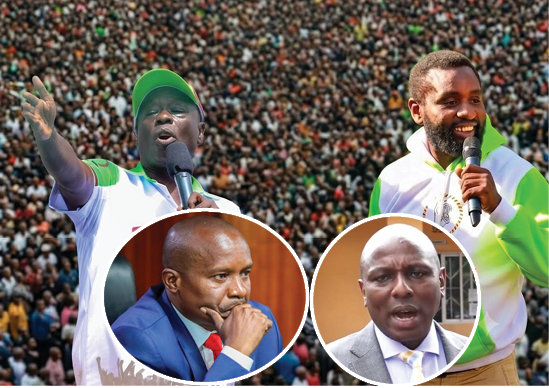
DCP leader Rigathi Gachagua and Sammy Douglas Kamau Waweru Ol Kalou MP. Inset National Assembly Majority Leader Kimani Ichung’wah and Deputy President Kithure Kindiki

The Ol Kalou landslide has upended the political mathematics of the Mt Kenya region, leaving President Ruto’s allies scrambling for survival and Rigathi Gachagua marching triumphantly through five wards.
By Dan Mwangi
The Democracy for the Citizens Party’s landslide victory in the Ol Kalou parliamentary by-election has delivered the most damaging electoral verdict yet against President William Ruto’s administration in the vote-rich Mt Kenya region, with DCP candidate Sammy Douglas Kamau Waweru garnering more than 35,440 votes against approximately 5,450 for UDA’s Samuel Muchina Nyagah — a margin of nearly seven to one.
The numbers tell a story that no spin can soften. The Mt Kenya region delivered about 3.5 million votes to Ruto in 2022, accounting for nearly half of his 7.17 million total. Much of that support was linked to his alliance with Gachagua, who served as his running mate. On Thursday, UDA managed a mere 13 per cent of cast votes in a constituency the government had carpet-bombed with infrastructure projects and cash. The message could not have been louder had it been broadcast from the summit of Mount Kenya itself.
“I am grateful to the people of Ol Kalou for accepting to add me an extra soldier to join the great army that I lead in defence of Kenyans,” Rigathi Gachagua said as he prepared to lead a thanksgiving tour through all five wards of the constituency — Ndundori Gwa Kiongo, Ngorika, Tumaini, Ol Kalou Town and Miharati — accompanied by Nyandarua Senator John Methu, Kipipiri MP Wanjiku Muhia and a battalion of DCP-allied leaders.
The president, for his part, struck a conciliatory tone. “Elections are not a matter of life and death. There will be Kenya after the election and we must live together as brothers and sisters of one nation,” Ruto said. It was the language of a man absorbing a painful result and reaching for the longer game. But the longer game is precisely what has been disrupted.
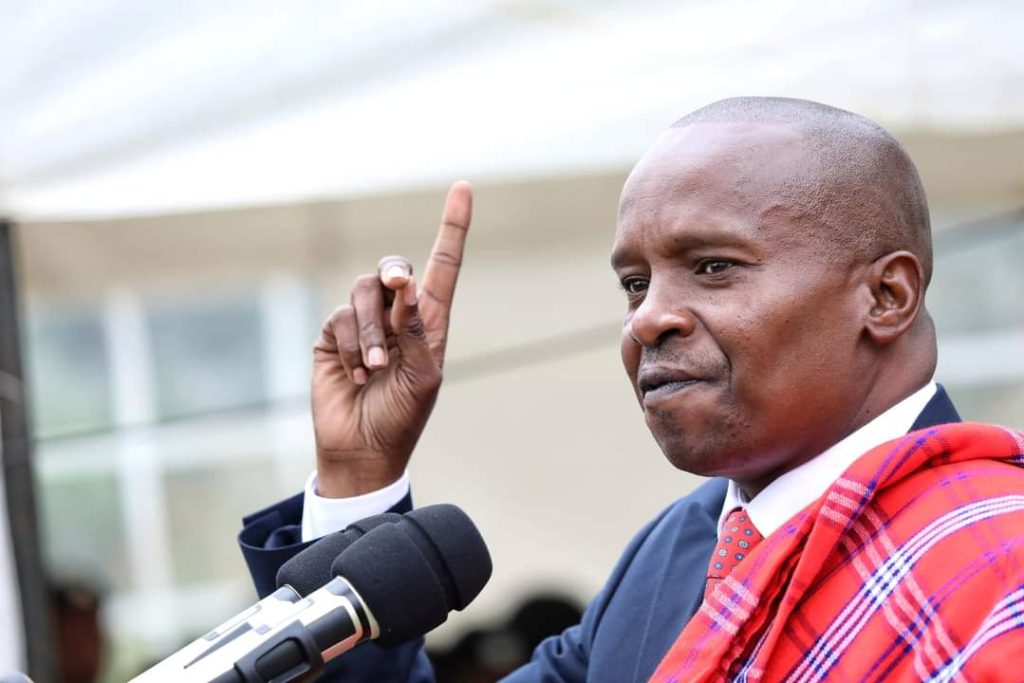
For Deputy President Kithure Kindiki, who had projected quiet confidence as polling closed, the reckoning arrived swiftly. Hours after the IEBC declared the results, Kindiki posted a four-word message that became the defining reaction from the ruling party: “Back to the drawing board.” He also observed that it was “a good time to reengineer the game altogether.” Those are not the words of a man who believes his position is secure.
City lawyer Ahmednasir Abdullahi wasted no time sounding the alarm, warning that Ruto risks losing the 2027 election unless he makes bold decisions. “Stick with Prof Kithure Kindiki and believe their false narrative that he will get 40% of the Mt Kenya vote and know that a humiliating defeat is certain. Or act the political fox you always have been, pick a Luo or Luhya running mate and hit the road running,” Ahmednasir wrote.
It is a calculation that will haunt State House. UDA secured about 87 per cent of the Mt Kenya vote in the 2022 election, sweeping nearly all elective seats in both national and county governments. If Ol Kalou is any guide, that figure will collapse dramatically in 2027. The arithmetic of a Ruto re-election bid without a credible Mt Kenya anchor is daunting — and replacing Kindiki with a running mate from Western or Nyanza, while arithmetically logical, carries its own political landmines, not least the signal it would send to a region that still holds the largest concentration of registered voters outside Nairobi.
The UDA standard-bearers who built their careers on the Ruto wave now face a reckoning of their own. National Assembly Majority Leader Kimani Ichung’wah, the Kikuyu MP who has been among the most vocal defenders of the Kenya Kwanza administration, must contend with a constituency that voted in large numbers against the very government he champions. Anne Wamuratha, the Kiambu County Women Representative, finds herself in a region where the political winds have sharply shifted. Betty Maina the Murang’a County Women Representative, Laikipia East’s Mwangi Kiunjuri, Nyeri Senator Wahome Wamatinga, Mathira MP Eric Wamumbi and Kiambaa MP John Njuguna Kawanjiku — each faces the same uncomfortable question: do they remain tethered to a presidential project that Mt Kenya voters appear to be abandoning, or do they seek new political shelter before 2027?
The options are awkward and narrowing. Gachagua has declared that DCP will field candidates in all 47 counties for gubernatorial, senatorial, National Assembly and county assembly seats in 2027, positioning the party as a national alternative. “To any aspirant considering DCP, we welcome you,” Gachagua said in Nyahururu. But the welcome mat comes with an asterisk. UDA diehards who spent months denouncing Gachagua as a troublemaker and a threat to national unity will find it difficult to walk through that door without a significant loss of credibility — and without the former Deputy President extracting a political price.
Edwin Sifuna’s Linda Mwananchi movement offers another theoretical landing zone, but carries its own complications. Sifuna has been unsparing in his criticism of the Broad-Based Government and those who participated in it. UDA legislators seeking refuge there risk being branded collaborators, absorbing attacks from both flanks simultaneously.
The personal conduct of some UDA campaigners in Ol Kalou may narrow those options further still. Murang’a Senator Joe Nyutu publicly condemned remarks made by former Cabinet Secretary Moses Kuria, who referred to DCP’s Sammy Kamau as a “chokora” — a street urchin. “Even if someone were a chokora, they are still a human being born of a woman and deserve respect,” Nyutu stated. Kuria, who championed government investment in the constituency as proof of Ruto’s commitment to the region, instead became the face of UDA’s arrogance — and the result on Thursday night was his answer. For Kuria, who has long positioned himself as a kingmaker in the mountain region, the slur and the loss together may prove a defining political miscalculation.
Maragwa MP Mary Wamaua faces similarly uncomfortable questions. Her alleged description of Sammy Kamau as a “very poor pauper” during the campaign — mocking a candidate who went on to win with 85 per cent of the vote — is the kind of remark that voters remember. In a constituency culture where dignity and respect are taken seriously, such language has a cost that arrives not immediately but on polling day.
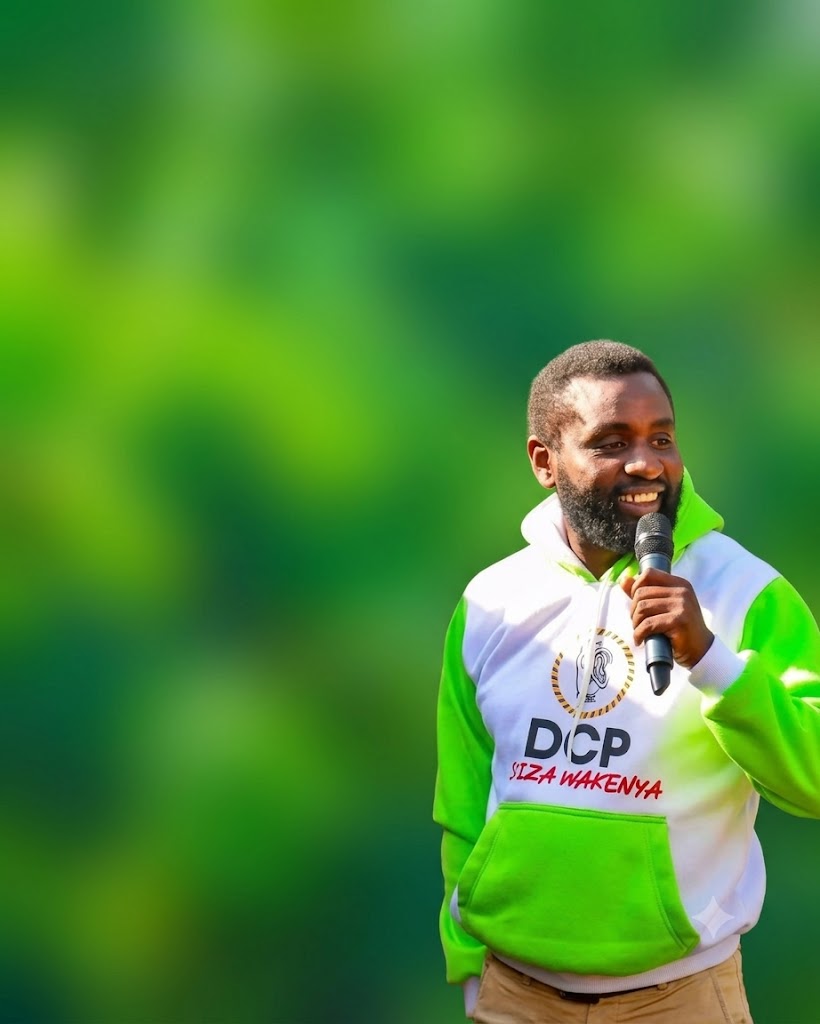
The new MP-elect himself set the tone for what Gachagua’s movement is now claiming. “Today you have made a statement as the King of the Mountain, the party of choice and the man who will lead our country in 2027,” Kamau told Gachagua moments before the official declaration, promising voters: “I will work for you diligently. My prayer has always been that God gives me not only this seat but also the wisdom to serve and represent you well.”
Kipipiri MP Wanjiku Muhia, one of the campaign’s most energetic voices, captured the mood of the DCP faithful: “Congratulations on your victory! Ol Kalou has spoken loudly and clearly. This success belongs to God, demonstrating that He is our Mighty Father; if God says YES, no one can say no.” Senator Methu, singled out by both Gachagua and Kamau for leading what they described as a disciplined three-month ground campaign, is now the operational architect of a machine that will be replicated across the mountain and beyond.
DCP built its campaign around the high cost of living, economic hardship and calls for political change — a platform that resonated far more powerfully than KSh10 billion worth of government projects rushed into the constituency during the campaign period, which critics labelled naked voter bribery. When money fails to move voters, it means something has broken in the relationship between a government and its people that development pledges alone cannot repair.
For Ruto, the road back is not impossible but it is steep. It requires a substantive economic turnaround that working-class Mt Kenya families can feel in their pockets, a credible engagement with Gachagua’s supporters rather than continued confrontation, and a recalibration of his 2027 ticket that honestly acknowledges the ground that has shifted beneath him. His reconciliatory tone after Ol Kalou was a start — but words unaccompanied by structural change will not move a region that has already moved.
For UDA’s elected leaders from the mountain, the calculation is even more immediate. They must decide, soon, whether loyalty to a presidential project that is haemorrhaging regional support serves them or destroys them. Some will attempt to quietly reposition, cultivating relationships with DCP without formally crossing. Others will read their own constituency data, calculate their survival odds and make the leap. A few will stay the course and trust that the political tide turns before August 2027.
History suggests that is a gamble. In Kenyan politics, as in most, the electorate rarely gives a second warning.
For now, the biggest winner is Gachagua, who has secured both a parliamentary seat and a psychological victory. For Ruto and Kindiki, the message from Ol Kalou is unmistakable: the race for Mt Kenya is far from settled, and the countdown to 2027 has entered a new phase.
The mountain has spoken. Whether those at the top of the ruling party were listening is the question that will define the next twelve months of Kenyan politics.
Similar Posts by Dan:
- Nairobi factory bid aims to put Kenya on the map for precision infrared optics
- Ndindi Nyoro pulls a Kibaki stunt: The mountain stirs again as 2027 looms
- Ruto vs Uhuru: The war Kenya never saw coming
- Ruto’s reckoning: Gachagua puts four years on trial
- Mudavadi tells Sifuna: Dreaming about it won’t make you president
About the Author

 The Mt Kenya Times