The Mt Kenya Times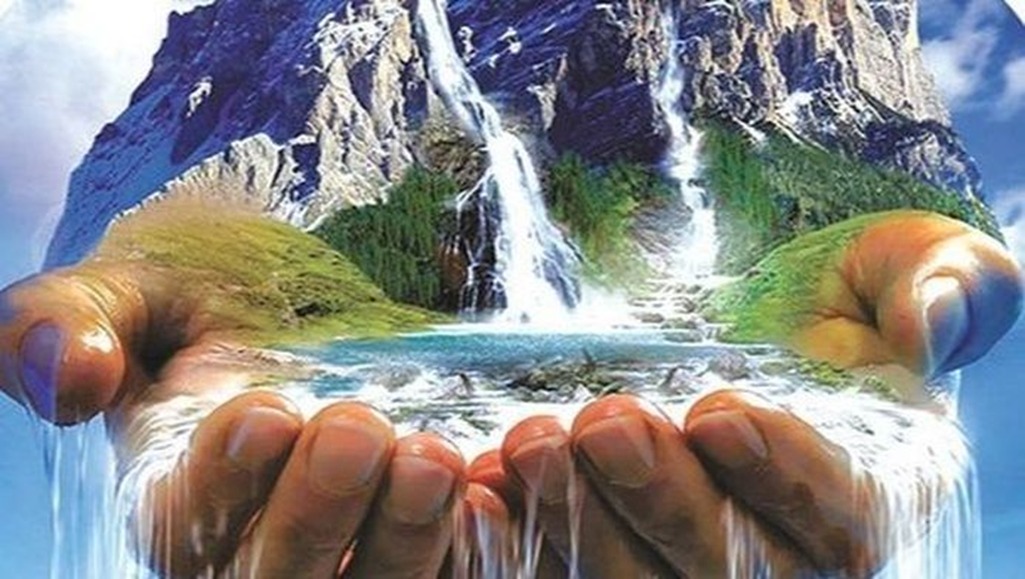
The intricate geopolitical implications of water scarcity and its potential to spark conflict in a rapidly changing world
By: Midmark Onsongo
Worth Noting:
- The irony is thick; these rivers, symbols of unity and life, have become flashpoints of contention, mirroring the age-old adage that where there is a will, there is a way—unless, of course, that will is hindered by thirst. The metaphorical knife cuts both ways; as nations seek to quench their thirst, they risk slicing through the delicate fabric of international relations, leading to a potential conflict that could ripple far beyond their borders.
- Not far from these turbulent waters lies another tale, woven through the veins of the Nile, a lifeline for Egypt, which draws nearly 97% of its freshwater from this single river. Yet, the construction of Ethiopia’s Grand Renaissance Dam has turned the Nile into a source of tension rather than tranquility.
Water Woes Weighing Wistfully on the Wretched Wanderers While Weaving Worldly Woes and Winding Waters with Wily Geopolitical Games of Global Powers. As the sun ascends, casting its golden rays upon the quenching thirst of a world straddled between abundance and acute deprivation, the sheer irony of our reliance on water reveals itself; we are surrounded by a surfeit of water, yet many face a grim, parched future. It beckons us to ponder the paradox: how can the earth, wrapped in a blue shroud, harbor a crisis so profound?
This conundrum, this looming specter of water scarcity, hangs over humanity like a dark cloud pregnant with rain yet unwilling to release its bounty. Consider the United Nations, which reports that by 2025, two-thirds of the global population may find themselves in water-stressed regions. Such numbers compel a deeper examination into the geopolitical ramifications of this impending crisis. The statistics dance with a disquieting rhythm, a metrical lament echoing through the chambers of our collective conscience.
Each drop is laden with a story, a promise, a threat, as we navigate the choppy waters of geopolitics in a world that holds its breath. As the proverbial wells run dry, nations find themselves in a tug-of-war, a battle over the most essential element of life itself. The Euphrates and Tigris rivers, once celebrated as cradles of civilization, now serve as battlegrounds for geopolitical rivalries, with Iraq, Syria, and Turkey each laying claim to their banks like siblings squabbling over a family heirloom.
The irony is thick; these rivers, symbols of unity and life, have become flashpoints of contention, mirroring the age-old adage that where there is a will, there is a way—unless, of course, that will is hindered by thirst. The metaphorical knife cuts both ways; as nations seek to quench their thirst, they risk slicing through the delicate fabric of international relations, leading to a potential conflict that could ripple far beyond their borders.
Not far from these turbulent waters lies another tale, woven through the veins of the Nile, a lifeline for Egypt, which draws nearly 97% of its freshwater from this single river. Yet, the construction of Ethiopia’s Grand Renaissance Dam has turned the Nile into a source of tension rather than tranquility.
The situation embodies a quintessential example of the antithesis that defines our relationship with water: it is both life-giving and life-taking, a nourishing force that can easily morph into a weapon of political leverage.
To Egyptians, the dam symbolizes Ethiopian aspirations for progress, yet to Ethiopians, it represents a necessary step towards development—a paradoxical position underscoring the intricate tapestry of human existence. In Asia, the waters flow with similar currents of contention. The Himalayas, often referred to as the “Third Pole” for their vast glacial reserves, are melting at an alarming rate due to climate change.
This alarming phenomenon not only threatens ecosystems but also the lifeblood of over a billion people who depend on the rivers originating from these icy peaks. The once-bountiful rivers of the Indus and the Ganges are increasingly at risk of conflict, as India and Pakistan navigate their historical grievances over shared waters.
The irony lies in the juxtaposition of shared resources fueling not cooperation but discord. Water, in this context, transforms from a unifier to a divider, as nations quibble over its allocation rather than embrace the ethos of shared stewardship. In this turbulent dance, we must ask: what happens when the taps run dry?
The echoes of a warning reverberate through time, reminiscent of the Biblical tale of Jacob and Esau, where a momentary lapse in judgment led to generations of strife over a birthright. Will the world learn from history’s lessons, or are we destined to repeat the same mistakes? The urgency of the matter invites us to consider the potential for water wars—a dramatic term that captures the gravity of the situation.
Yet, the reality may not be so dramatic but rather a slow simmering of tensions, an unseen current that slowly erodes the foundations of diplomacy, like a gentle stream wearing down a stone. Meanwhile, the irony of the Global North’s water consumption habits comes to light, an ode to hyperbole if there ever was one.
As developed nations lavishly consume water, often wasting more than developing nations can access, they unknowingly pave the way for discontent. The data paints a grim picture: the average American uses about 80-100 gallons of water daily, while millions in sub-Saharan Africa survive on less than 5 gallons.
This dissonance serves as a stark reminder of the disparities that exist within our global community—a metaphorical tug-of-war that sees the affluent pulling the rope in one direction while the impoverished strain to hold on in another. As we navigate the treacherous waters of geopolitics, the symbolism of water remains potent.
It embodies life, purity, and hope, yet it can also represent control, conflict, and despair. The rivers of our world tell tales of civilizations rising and falling, a constant reminder that the fate of nations is often inextricably linked to the flow of water.
The historical allusion to the Seven Rivers of Babylon offers a sobering reflection on the fate of civilizations that ignored the delicate balance of their ecosystems. It prompts a rhetorical question: in our quest for progress, have we become blind to the fragility of the very systems that sustain us?
The socio-political landscape is rife with examples of the erosion of this delicate balance, most notably in the case of the Aral Sea, once the fourth largest lake in the world, now a mere shadow of its former self. The catastrophic shrinking of this water body stands as a testament to human folly, a vivid metaphor for our shortsightedness.
What was once a thriving ecosystem teeming with life has become a ghostly reminder of neglect, with towns disappearing and livelihoods shattered. This tragedy resonates with the adage that we reap what we sow; in our pursuit of economic gains, we have plowed under the very roots of our existence.
But not all is lost; the undercurrents of hope remain, shimmering in the distance. Technological innovations in water conservation and management are emerging as potential saviors in this dire scenario. Countries like Israel often hailed as pioneers in water technology, have embraced a future where every drop counts. Their advancements in desalination and drip irrigation stand as beacons of ingenuity, illuminating a path for others to follow. This embodiment of logos showcases how human innovation can rise to meet the challenges posed by nature, turning adversities into opportunities for collaboration.
Yet, one cannot help but sense the weight of skepticism that lingers in the air. The challenge lies not just in the availability of technology but in the political will to implement it. Nations often find themselves mired in a quagmire of competing interests, where the rhetoric of cooperation clashes with the reality of nationalistic fervor.
The notion of water as a shared resource is frequently overshadowed by the desire for self-preservation, leaving the fate of future generations hanging in the balance like a fragile spider’s web, glistening in the morning dew yet susceptible to the slightest breeze. As the narrative unfolds, we are left grappling with the enormity of the situation.
The waters of the world are calling out for a response, urging us to transcend our differences and embrace the shared responsibility of stewardship. We stand at a crossroads, faced with the choice between conflict and cooperation, between isolation and collaboration. The haunting question remains: will we heed the call of the waters, or will we allow ourselves to be swept away by the tide of our own making?
In closing, the geopolitics of water serves as a reflection of our values, our priorities, and our collective future. As we navigate these turbulent waters, let us remember that we are not merely wanderers adrift in a sea of uncertainty; we are stewards of this planet, guardians of its most precious resource. The challenge is formidable, the stakes are high, but together we can forge a new path—one that honors the interconnectedness of all life and ensures that the waters of our world continue to flow freely for generations to come.
This article was scripted by;
MIDMARK ONSONGO, SGS
(Socio-Geographic Scholar)
Similar Posts by The Mt Kenya Times:
- Diaspora Times Global Sep 26 – Oct 2, 2026
- RS South Africa supports next-generation edge AI with NVIDIA Jetson Orin Nano 2
- AFRICLOUD opens Lagos region and local-currency payments across African markets
- Fine Spinners targets Kenya’s US apparel supply chain with $5m investment
- Nuclear energy debate must begin with public trust and shared responsibility
About the Author