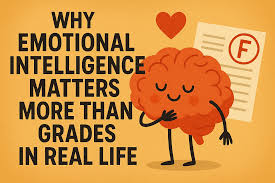
High exam marks alone will not prepare children for life — the skills that determine lasting success are learned long before any test.
By Ashford Kimani
For generations, academic performance has been treated as the ultimate measure of a child’s potential. Parents celebrate high examination scores, schools reward top performers, and societies equate academic excellence with future success. Report cards, grades, and rankings become the central indicators of achievement. Yet educational psychologists and child development experts increasingly argue that another quality plays an even bigger role in determining a child’s long-term wellbeing and success: emotional intelligence.
Emotional intelligence is the ability to understand emotions, manage feelings effectively, recognise the emotions of others, and build healthy interpersonal relationships. It shapes how children handle disappointment, solve problems, communicate with peers, respond to challenges, and navigate life’s complexities. Academic knowledge equips learners with technical competence; emotional intelligence equips them with life competence.
A child may excel in mathematics, science, or languages but struggle greatly when faced with failure, criticism, peer conflict, or stress. Another child may achieve average academic results yet demonstrate resilience, empathy, self-awareness, teamwork, and emotional control. In most real-life situations, the second child often thrives more sustainably — because success in adulthood depends not only on what people know, but on how effectively they manage themselves and relate to others.
Modern workplaces reflect this reality. Employers consistently seek individuals who collaborate effectively, communicate clearly, demonstrate leadership, adapt to changing circumstances, and solve problems creatively. Technical knowledge remains important, but emotional skills frequently determine career progression, workplace relationships, and long-term professional success. Children who develop emotional intelligence early build foundations that extend far beyond classroom walls.
Resilience is among emotional intelligence’s strongest benefits. Life inevitably presents setbacks. Learners may fail examinations, lose competitions, experience rejection, or encounter personal difficulties. Emotionally intelligent children learn to process disappointment constructively rather than becoming overwhelmed by failure. They develop perseverance and the capacity to recover from challenges. Instead of viewing mistakes as evidence of inadequacy, they learn to see them as opportunities for growth.
Confidence also grows when children understand and regulate their emotions. Emotional intelligence allows learners to express themselves appropriately, seek help when necessary, and engage confidently in social settings. Children who understand their emotional experiences tend to build stronger self-esteem because they develop awareness of their strengths and limitations — without defining themselves solely through academic achievement.
Relationships form another critical area shaped by emotional intelligence. Schools are social environments where children continuously interact with peers, teachers, and support staff. Learners who demonstrate empathy and emotional awareness build stronger friendships and healthier social networks. They become better listeners, more effective communicators, and more capable of resolving disagreements peacefully. These social competencies contribute significantly to emotional wellbeing and academic engagement.
Mental health experts increasingly identify emotional literacy as an essential protective factor against anxiety, stress, and emotional difficulties. Children who can identify and communicate their feelings effectively experience reduced emotional distress. Rather than suppressing emotions or expressing frustration destructively, emotionally intelligent learners develop healthier coping mechanisms. They learn to recognise emotional triggers and respond thoughtfully rather than impulsively.
Parents play a critical role in nurturing emotional intelligence. Children learn emotional behaviours largely through observation. Adults who model calm problem-solving, empathy, patience, and emotional regulation provide powerful examples for young minds. Conversations about feelings matter enormously. Parents who encourage children to express emotions openly create environments where emotional awareness develops naturally.
Simple family practices can strengthen emotional intelligence considerably. Listening attentively when children speak communicates respect and emotional validation. Helping children name emotions builds awareness. Encouraging problem-solving rather than immediately providing solutions develops emotional independence. Praising effort rather than outcomes alone helps children build resilience and a growth mindset that sustains them through difficulty.
Schools carry equal responsibility. Educational institutions focused exclusively on examination performance risk neglecting critical human competencies. Learners need environments that value emotional wellbeing alongside academic achievement. Teachers who create psychologically safe classrooms encourage participation, curiosity, and confidence. Collaborative activities, leadership opportunities, and conflict resolution practices all contribute meaningfully to emotional development.
This conversation carries particular significance within the Kenyan educational context. For many years, examination performance has heavily shaped educational priorities. Learners frequently face immense pressure to achieve high grades because results influence educational pathways and future opportunities. Yet educational transformation through competency-based approaches increasingly recognises broader dimensions of learner development.
The Competency-Based Curriculum emphasises communication, collaboration, citizenship, self-efficacy, creativity, and critical thinking — competencies that align closely with emotional intelligence principles. Schools preparing learners for modern realities must balance academic mastery with emotional growth. Teachers observe that learners demonstrating emotional stability often perform better academically over time. Children who manage anxiety effectively participate more actively. Those who build positive relationships engage more fully in classroom life.
Parents sometimes worry that prioritising emotional development means lowering academic expectations. It does not. Strong education integrates both dimensions. Literacy and numeracy remain essential. Academic excellence remains valuable. Emotional intelligence strengthens the ability to apply knowledge effectively throughout life — it does not compete with academics; it amplifies them.
Education ultimately extends beyond examination rooms. Schools prepare children not merely for tests but for adulthood. Society needs individuals who think critically, communicate respectfully, lead ethically, adapt to change, and contribute positively to communities. These qualities emerge through emotional development as much as academic instruction.
Academic scores may open doors. Emotional intelligence determines how successfully children walk through them — and how far they go once inside.
Similar Posts by The Mt Kenya Times:
- JJ Gabriel asks to leave Manchester United
- From free transfer to court fight: Mbappé ordered to pay PSG
- Mt Kenya Times ePAPER September 15, 2026
- Court ruling clips Kenyatta’s wings at the worst possible moment
- Ruto takes the sponsor war to Nyanza — and finds a warmer welcome than his opponents expected
About the Author