
Women At The Frontline: Call For Action To End Plastic Pollution
By: Ahirirwe Leticia
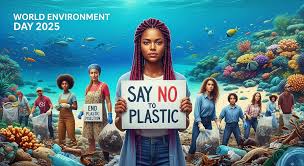
On this World Environment Day, celebrated under the global theme “Putting an End to Plastic Pollution,” Women for Green Economy Movement Uganda (WoGEM Uganda) is amplifying the voices of women and girls across oil-affected and rural communities who are leading efforts to tackle plastic waste and defend their right to a clean, healthy environment.
Plastic pollution has become a growing threat in Uganda clogging waterways, contaminating soil, harming livestock, causing climate crisis and disproportionately affecting women and children in low-income and frontline communities. It’s important to note that plastics are the major contributors to climate crisis of which marginalized women are majorly affected by climate change since there are the bread givers of the family.
“Every rainy season, our gardens are flooded with plastic waste from the town. It kills our crops and pollutes our water sources. We are the ones who fetch the water and grow the food, so we feel it first and worst,” says Naturinda Sarah a smallholder farmer and WoGEM grassroots mobilizer in Hoima district.
More so, WoGEM Uganda has been working with women’s groups in Hoima and Kikuube, to build awareness around plastic waste and promote alternatives, including community clean-ups, eco-brick making, and reusable packaging initiatives led by women entrepreneurs. This is not only for environmental protection but also for income generating that has empowered marginalized women economically to reduce on Gender Based Violence in families.
Furthermore, “Ending plastic pollution isn’t just an environmental issue it’s a gender justice issue,” says Ireen Twongirwe, Executive Director of WoGEM Uganda.
“Women bear the burden of managing household waste without resources or support. We must be involved in designing policies and local solutions.” She continued to say that living in a clean, safe environment is a right but not a privilege. Government under the shadow of NEMA need to implement policies and enforce laws against plastics seriously.
Today, WoGEM Uganda is calling on the Ugandan government, development partners, and private sector actors to:
- Ban single-use plastics and enforce existing waste regulations.
- Invest in community-led waste management systems that include women as key stakeholders.
- Support women-led green businesses that provide sustainable alternatives to plastic.
- Include women and girls in national conversations about environmental protection and climate justice.
It’s important to note that plastic pollution is not only a threat to the environment it is a violation of people’s rights to health, dignity, and safe livelihoods.
“When we clean our communities, we’re not just picking up trash we’re protecting our children and demanding a better future,”
adds Tugume Racheal a youth activist and WoGEM peer educator in Hoima district.
This World Environment Day, WoGEM Uganda reaffirms its commitment to building a greener, more just Uganda where women are not only cleaning up pollution but leading the charge to eliminate it at the source.
Lastly, this World Environment Day, let’s remember: our planet is our responsibility. Every tree we plant, every piece of plastic we refuse, every voice raised for justice—makes a difference. Let’s protect nature, support climate justice, and ensure a healthy, green future for all. Its everyone’s responsibility to end plastic pollution and protect our mother earth.
Similar Posts by The Mt Kenya Times:
- Diaspora Times Global Sep 19 – Sep 25, 2026
- Tibet’s glacial catastrophe: Behind Beijing’s wall of silence, a climate disaster reshapes a region
- Museveni says Uganda overpaid for fuel through Kenyan middlemen as new terminal breaks ground
- Court orders throw KPL season kickoff into doubt
- Can Kenyans abroad become the untapped force that transforms Kenya?
About the Author

 Brenda Holo
Clean cooking also mitigate on climate change.
I do fixed dome biogas and charcoal briquettes to minimise on deforestation.
The technologies are efficient on clean cooking,but to be embraced,it requires more coverage.