8th AfriGEO Symposium Kicks Off In Nairobi: Focus On Earth Intelligence For Africa’s Sustainable Development
 The Mt Kenya Times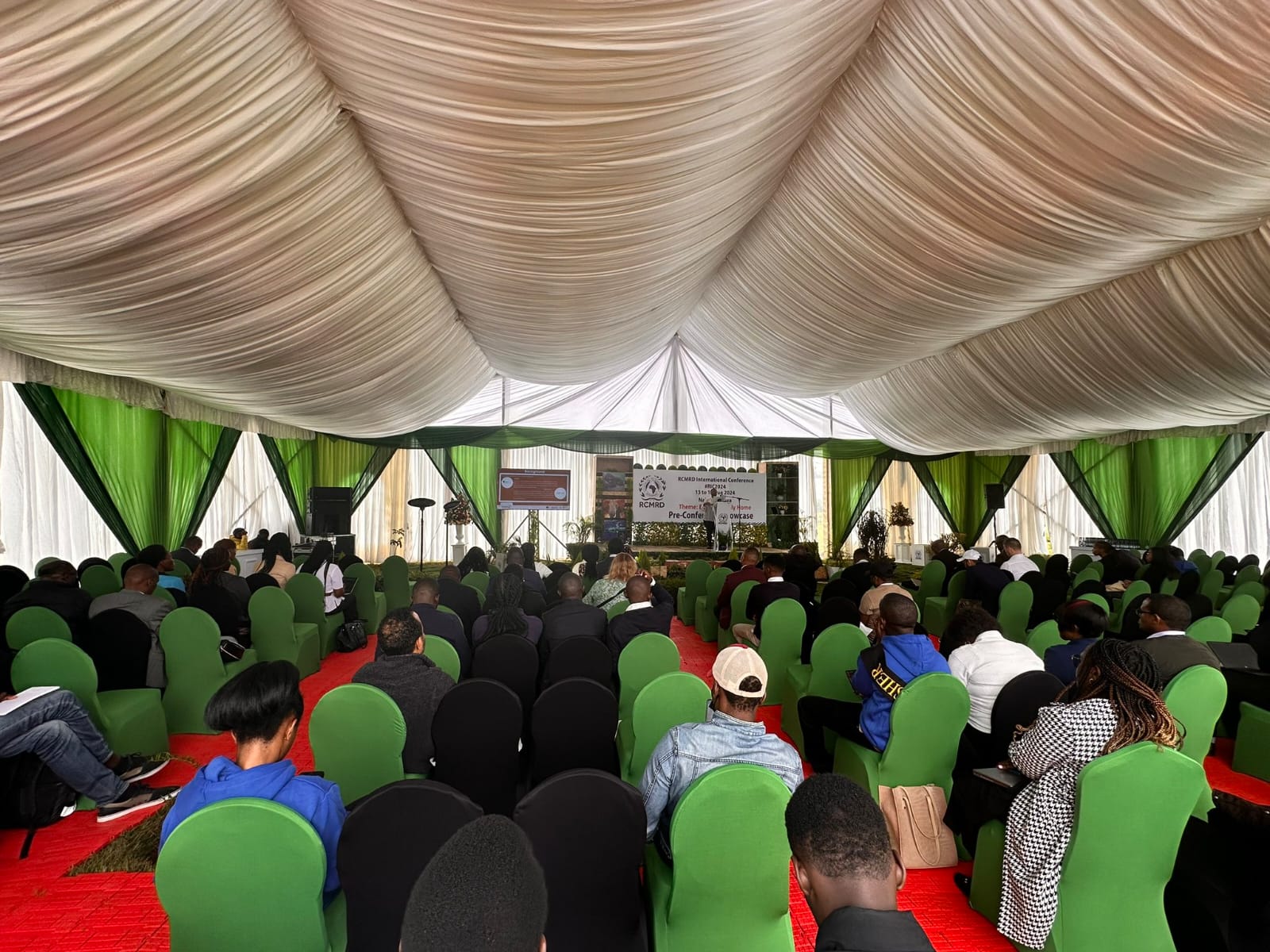
The RCMRD International Conference
By Cynthia Masibo
The 8th AfriGEO Symposium commenced on Tuesday at the Regional Centre for Mapping of Resources for Development (RCMRD), drawing together experts and stakeholders in Earth Observation (EO) from across Africa and beyond. This four-day event aims to enhance the development and adoption of EO resources to promote sustainable development on the continent.
AfriGEO, an essential initiative under the African Community within the Group on Earth Observations (GEO), plays a pivotal role in coordinating Africa’s participation in global EO activities. The initiative serves as a Pan-African platform designed to raise awareness and build EO capacity across various sectors, including government agencies, research organizations, academic institutions, and the commercial sector. By fostering these collaborations, AfriGEO strengthens partnerships within Africa and provides a gateway for international partners to engage with the continent.
Since its inception in 2016, the AfriGEO Symposia have been held annually, offering the community a platform to connect, engage, and build meaningful collaborations to address the continent’s developmental challenges through Earth observation. The initiative also supports the implementation of GEO’s objectives and programs in Africa, aligning with the broader GEOPost 2025 Strategy.
The 2024 Symposium, themed “Earth Intelligence for Africa,” seeks to facilitate deep engagement among stakeholders by bringing together experts from various sectors to discuss, unlock, and activate integration, co-design, user engagement, partnership, and capacity development in Africa. Over the course of the symposium, participants will focus on several priority topics that are critical to Africa’s sustainable future including:
Agriculture, Food Security, Soil Moisture, and Agricultural Outreach Support Biodiversity, Land Degradation, and Sustainable Forest Management Land Cover for Africa, Land Administration, and Sustainable Urban Development Blue Economy and Water Resource Management Climate Services and Adaptation Health, Air Quality, and Disaster Management Innovation, Data, and Infrastructure.
A notable highlight of today’s proceedings was a presentation by Professor Abdul Wadood Moomen, a senior lecturer from the University of Energy and Natural Resources in Ghana. Professor Moomen’s research, which has garnered significant attention, focused on innovative methods for leveraging EO data to improve agricultural productivity and land management in Africa.
In his presentation, Professor Moomen highlighted the urgent need to enhance agricultural practices across the continent, given the growing challenges posed by climate change, land degradation, and food insecurity. His research demonstrates how EO technologies can be applied to monitor soil moisture levels, predict crop yields, and manage land resources more effectively. By integrating EO data with traditional agricultural practices, Professor Moomen argued, African countries could significantly increase food production, ensure food security, and support sustainable land use.
The presentation resonated strongly with the symposium’s overarching theme, as it showcased practical applications of EO technology in addressing some of Africa’s most pressing challenges. Professor Moomen also emphasized the importance of collaboration between academic institutions, government bodies, and private sector entities to scale these solutions across the continent.
The AfriGEO Symposium’s agenda for the remaining days promises to build on these discussions, with a series of workshops, panel discussions, and networking sessions designed to foster collaboration and knowledge-sharing among participants. Experts and stakeholders will continue to explore the critical role of EO in supporting sustainable development, from improving climate resilience and managing natural resources to enhancing urban planning and disaster management.
As the symposium progresses, the insights and outcomes generated are expected to contribute significantly to the ongoing efforts to leverage Earth observation for sustainable development in Africa. The event underscores the growing recognition of EO as a vital tool for addressing the continent’s development challenges and achieving long-term sustainability goals.
Similar Posts by The Mt Kenya Times:
- Dr. Ekrah Ndung’u wins TVET advocacy award after 12 years
- Mt Kenya Times ePAPER October 17-18, 2026
- Ruto bets billions on Kerio Valley — with one eye on 2027
- Ruto’s health ministry kills Murang’a’s digital hospitals
- Kenya bets on Mount Kenya to drive a billion-shilling tourism revival
About the Author