The Mt Kenya Times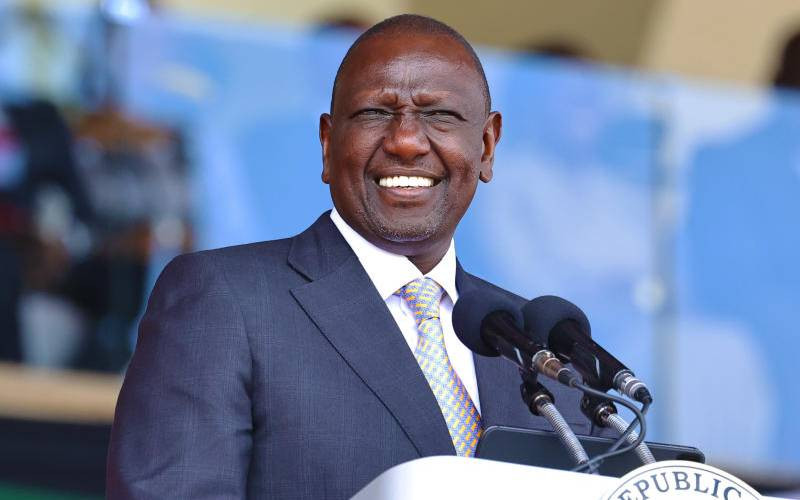
President William Ruto
By: Joseph Mutua Ndonga
Worth Noting:
- As the principal assistant, Dr Ruto understood his job very well. He was a key cog in terms of articulating and pushing for the implementation of goals he had helped his boss to set out.
- Given this scenerio, this story was designed to cast President in bad light. Remember this would come at a time when opposition outfit Azimio La Umoja One Kenya Party leader Raila Odinga had intensified his campaigns against him.
- This is the picture that Raila would want Kenyans to buy. Dr Ruto is untrustworthy and he had taken you for a ride. So, were the authors advancing his agenda?
The latest media reports have indicated that President William Ruto is following the footsteps of his predecessor Uhuru Kenyatta.
This is contrary to his pledge during the campaigns that he would chart his own path.
I disagree with the authors of this story.
Let me explain why. By reiterating that he would do things differently if he wins the elections, Dr Ruto did not mean that he would dismantle all the governance structure that Uhuru had laid down and embraced.
Equally, he did not mean that he would abandon all the programmes and infrastructural projects that Uhuru had initiated and commissioned.
It is worth to note this. Having served as the deputy President of Kenya during the 10-year period of Uhuru’s reign, Dr Ruto played an instrumental role in these endeavors.
The duo worked very closely during the first term.
As the principal assistant, Dr Ruto understood his job very well. He was a key cog in terms of articulating and pushing for the implementation of goals he had helped his boss to set out.
Given this scenerio, this story was designed to cast President in bad light. Remember this would come at a time when opposition outfit Azimio La Umoja One Kenya Party leader Raila Odinga had intensified his campaigns against him.
This is the picture that Raila would want Kenyans to buy. Dr Ruto is untrustworthy and he had taken you for a ride. So, were the authors advancing his agenda?
We know Raila’s war with Ruto is political. It has nothing to do with tackling of the myriad of challenges facing Kenyans.
Raila’s anger emanates from the fact Ruto defeated him at the ballot. He is yet to accept the loss and move on.
Well, there are universally accepted standards of running a government.
Dr Ruto would not deviate from this norm. This demonstrated he is a charismatic and a well-schooled leader.
The story put on spotlight a number of issues. To me, President Ruto had made a good progress.
On the issue of two-thirds gender rule, he had appointed many women to positions of leadership compared to those appointed by Uhuru.
Turning to Housing Fund, he has upped the game. This is in terms of dealing a body blow to the false starts and ensuring the dream of this project taking-off come to pass.
On plans to lease the ports, he would not oppose this plan perse.
What he would tell Kenyans is this. My approach would be different.
I will ensure the leases are granted to companies run by people who means well for our country. These interventions will help to turnaround our economy and to create jobs for Kenyans, moreso ‘hustlers’.
As for numerical strength advantage, you cannot use this as a basis of judging a leader.
The history of Kenya and it also happen in other countries across the world is replete with this.
During the campaigns, I never heard Dr Ruto saying that he will never reach out to other elected leaders. This is with a view of rallying them to support his government’s agenda in parliament.
This is the same template that defined the leadership of President Daniel Arap Moi and his successor Mwai Kibaki.
Turning to CAS appointments, it is true this position was created by President Uhuru.
For now, the question is. Do we need this seat? If yes, then there is need to ensure it is recognized by the law.
On cronyism in state appointments, this has been the trend since independence.
On Competence-based Curriculum (CBC), at no time did Ruto said he will scrap it.
I only heard then Amani National Congress (ANC) leader Musalia Mudavadi playing this politics.
For Dr Ruto, his position was very clear. Based on complaints lodged by parents, guardians, scholars and other stakeholders, he repeatedly assured Kenyans.
If you elect me as your President, I will immediately form a public commission of inquiry which will collect your views.
Once we receive the final recommendations, we shall implement them.
As Dr Ruto made this pledge, he was privy to the fact that majority of Kenyans were not opposed to CBC.
However they wanted some grey areas to be addressed.
I’m not holding brief for the President but allow me to say this.
The ‘story’ could have made a lot of sense if it focused on decisions made during the second term when the country was being run by the ‘handshake’ government. President Uhuru Kenyatta and ODM leader Raila Odinga were at the helm of power.
In various occasions, Dr Ruto came out gun blazing to oppose some of their decisions.
For instance, he was totally opposed to the Building Bridges Initiatives (BBI). Some of proposals, he reasoned, were not designed to further the wish and aspirations of the people of Kenya.
He also decried of allocation of a huge chunk of taxpayers to finance the political agenda of ‘handshake’ regime.
This was at a time when Kenyans were reeling from high cost of living.
This left no doubt Dr Ruto will overturn some of these decisions if he wins the election. He has lived up to his word.
For instance, the proponents of the BBI wanted the proposals to be subjected to the referendum. For him, he prefers a parliamentary process that would see members of parliament debate and approve the amendments.
Joseph Mutua Ndonga is a writer and political analyst based in Nairobi
Similar Posts by The Mt Kenya Times:
- Mt Kenya Times ePAPER October 26, 2026
- Sakaja challenges Kamukunji police over Eastleigh suspect bail
- Muturi demands binding livestreaming rules for 2027 polls to prevent repeat of 2022 chaos
- NTSA calls for road safety to be declared a national disaster after 24 die in Mtito Andei crash
- Ruku turns on Waiguru over deputy president ambitions: ‘That seat is not being contested for’
About the Author