From The Hustler’s President To An Oppressive Leader: Parallelism Between President Ruto And Tayyib Al-Mahdi In Naguib Mahfouz’s Short Story ‘A Man Of Awesome Powers.’
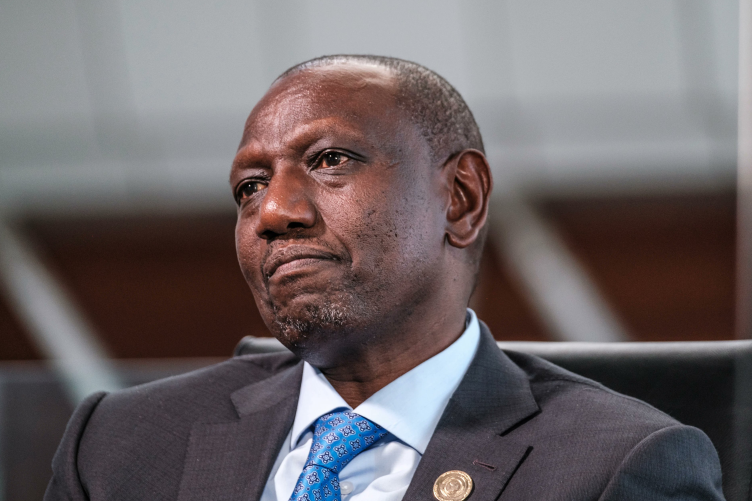
President William Ruto

By: Kamomonti wa Kiambati
Worth Noting:
- When William Ruto ascended to the presidency, he did so on the wave of support from the ‘hustlers,’ Kenya’s disenfranchised lower and middle classes. His campaign was built on the promise of economic empowerment and justice for the common citizen. Ruto’s rhetoric of uplifting the underprivileged and dismantling the entrenched elitism resonated with many Kenyans who felt marginalized by the political and economic system.
- In this, he mirrored Tayyib al-Mahdi’s initial altruistic use of his newfound powers to address societal injustices and support the needy in Mahfouz’s story.
- However, the narrative of power is often one of transformation, and not always for the better. In “A Man of Awesome Powers,” al-Mahdi’s gradual corruption is marked by a shift from benevolent acts to self-serving actions.
 Just this week when Gen Z started nationwide protests dubbed ‘Occupy Parliament,’ to register their displeasure with the Finance Bill, I found myself reflecting on where we have come from with President William Ruto. Ruto rode to State House on the platform of youth. How come the same youths are increasingly becoming disillusioned by their own choice. I found some solace in this year’s KCSE set book: ‘A Silent Song and Other Stories.’ There is a story there that relates so well with Ruto’s sudden change. It is titled: A Man of Awesome Powers.’ What a title!
Naguib Mahfouz’s short story, “A Man of Awesome Powers,” presents a compelling narrative of transformation and the corrupting influence of power. The protagonist, Tayyib al-Mahdi, is an ordinary man endowed with extraordinary abilities, who initially uses his powers for the benefit of society. However, over time, he succumbs to the seductions of authority, ultimately becoming the very tyrant he once opposed. This tale is strikingly analogous to the political journey of President William Ruto of Kenya, whose transition from a champion of the ‘hustlers’ – the struggling masses – to an oppressive leader mirrors al-Mahdi’s descent into autocracy.
When William Ruto ascended to the presidency, he did so on the wave of support from the ‘hustlers,’ Kenya’s disenfranchised lower and middle classes. His campaign was built on the promise of economic empowerment and justice for the common citizen. Ruto’s rhetoric of uplifting the underprivileged and dismantling the entrenched elitism resonated with many Kenyans who felt marginalized by the political and economic system. In this, he mirrored Tayyib al-Mahdi’s initial altruistic use of his newfound powers to address societal injustices and support the needy in Mahfouz’s story.
However, the narrative of power is often one of transformation, and not always for the better. In “A Man of Awesome Powers,” al-Mahdi’s gradual corruption is marked by a shift from benevolent acts to self-serving actions. His powers, which initially served the public good, become tools of personal gain and control. Similarly, Ruto’s presidency has witnessed a disturbing shift from his campaign promises to actions that seem increasingly autocratic and oppressive. The very hustlers who propelled him to power are now finding themselves at the receiving end of policies and actions that betray the ideals they believed Ruto stood for.
One of the key issues has been the economic burden placed on the populace. Ruto’s administration has introduced tax measures and policies that disproportionately affect the lower and middle classes, exacerbating the economic hardships of those who had placed their hopes in his leadership. This mirrors al-Mahdi’s eventual use of his powers to bolster his own position and wealth at the expense of those he once helped. The initial fervor of support that Ruto enjoyed is now waning, replaced by growing disillusionment and resentment among the hustlers who feel abandoned and betrayed.
Moreover, Ruto’s administration has displayed increasingly authoritarian tendencies, stifling dissent and curtailing freedoms. This shift towards repression is reminiscent of Tayyib al-Mahdi’s descent into tyranny, using his abilities to silence opposition and maintain his dominance. In Kenya, critics of Ruto’s government have faced intimidation and harassment, a clear departure from the democratic ideals that Ruto once championed. This erosion of democratic norms and the consolidation of power are hallmarks of the very despotism that both Ruto and al-Mahdi originally opposed.
The tragedy in both narratives is the profound sense of betrayal. In Mahfouz’s story, the people’s trust in al-Mahdi is shattered as he becomes indistinguishable from the oppressors he once fought against. Similarly, the hustlers in Kenya, who saw in Ruto a beacon of hope and change, now see a leader who has turned his back on them. The sense of disillusionment is palpable, as the promises of economic revival and empowerment remain unfulfilled, replaced by policies that further entrench inequality and hardship.
In conclusion, Naguib Mahfouz’s “A Man of Awesome Powers” offers a poignant reflection on the corrupting influence of power and the fragile nature of trust between leaders and their followers. The story of Tayyib al-Mahdi serves as a cautionary tale, warning of the dangers that accompany the transition from populist hero to autocratic ruler. President William Ruto’s journey from a hustler’s president to an oppressive leader mirrors this narrative, underscoring the timeless and universal themes of Mahfouz’s work. As Kenyans grapple with the realities of Ruto’s leadership, the lessons from Mahfouz’s story resonate deeply, reminding us of the imperative to remain vigilant against the seductions of power and the betrayal of the public trust.
*Kamomonti teaches English and Literature in Gatundu North Sub County*
Similar Posts by The Mt Kenya Times:
- Mt Kenya Times ePAPER September 19-20, 2026
- Kenya joins US and UK to put citizens on the terrorism frontline
- Kenya’s parliament races to tame the AI frontier
- Kalonzo calls Ruto to order over Uhuru attacks
- Gachagua takes his 2027 campaign to America
About the Author