RCMRD Hosts 8th RCMRD International Conference On Earth Sciences In Nairobi

Kitui South Member of Parliament Rachael Nyamai, delivering a Keynote address on behalf of Speaker of the National Assembly at the RCMRD International Conference
By Aoma Keziah
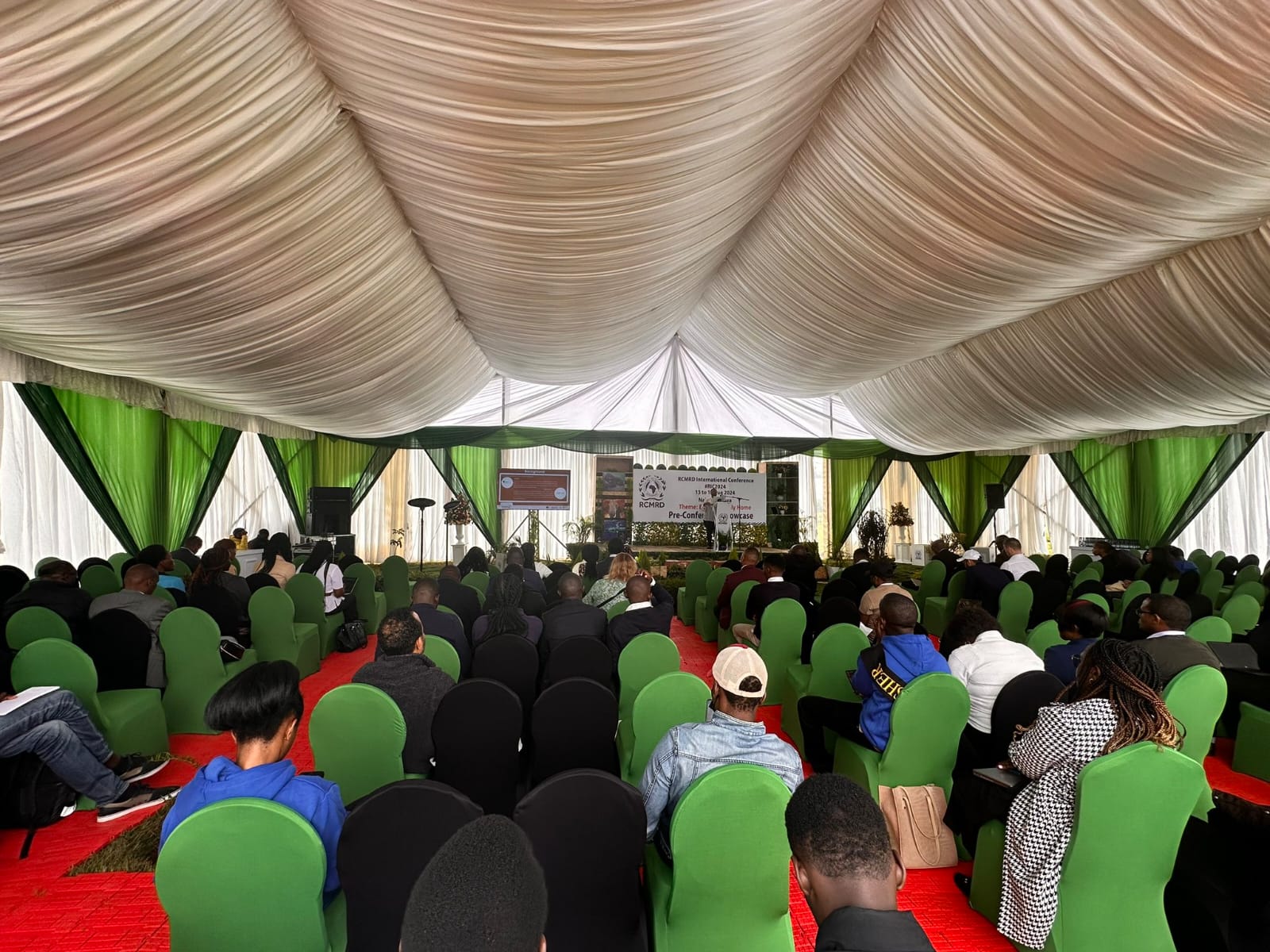
The Regional Centre for Mapping of Resources for Development (RCMRD) inaugurated the 8th RCMRD International Conference (RIC2024) at its premises in Nairobi. The conference, running from today to Thursday attracted over 1,000 delegates, including Ministers, Principal Secretaries, Government officials, scientists, development partners, researchers, academics, and media representatives. Over the past seven years, RIC2024 has hosted more than 5,000 participants, making it a crucial platform for leveraging geoscience in policy formulation.
This year’s conference theme; Earth: Our Only Home underscores the critical role of geoscience in shaping effective policies for sustainable development. The conference aims to foster understanding among various user domains, both within and beyond Earth Observation (EO), about the interaction between science and policy. Additionally, it seeks to inspire ideas for the effective utilization of Earth observation data in decision-making and to promote integrated approaches for societal benefit.
The conference is organized around six main pillars: Land Management, Policy & Development, Innovations & Data, Agriculture & Food Security, Biodiversity Conservation and Blue Economy, Disaster Risk Reduction and Health, and Gender and Social Inclusion. These pillars reflect the broad scope of the conference, addressing key issues that are vital for sustainable development.
In her address, Kitui South member of parliament Rachel Nyamai representing Speaker of the National Assembly Moses Wetangula, emphasized that geospatial technology is not only pivotal for accurate mapping and resource management but also essential for tackling global challenges such as climate change, food security, and urban planning. He noted that the use of geospatial data is instrumental in driving policy decisions that lead to sustainable development and economic growth.
“The integration of geospatial technology in various sectors of our economy is no longer optional; it is a necessity. It provides the data and tools required to make informed decisions, improve efficiency, and ensure that development initiatives are sustainable,” Stated Nyamai.
Throughout the conference, delegates will engage in discussions and workshops aimed at advancing the use of geospatial data to tackle issues ranging from land management to disaster risk reduction, and from biodiversity conservation to gender and social inclusion. The RIC2024 is set to be a significant event in promoting the integration of geoscience into policy and practice, driving forward the agenda for sustainable development across the region and beyond.
Similar Posts by Aoma Keziah:
- Nationwide Youth Business Drive Enters Last Lap With New Nyota Trainings
- Green Light From Washington Sets G42 On Fast Track to Build Region’s Most Powerful AI Network
- Safina Eyes Kariobangi North Seat in Intensified Push Before Poll Day
- KEBS Opens Talks With Manufacturers On New Standards Levy Order 2025
- Kenya, Uganda And South Sudan Chart Way Forward On East Africa Rail Corridor
About the Author

 The Mt Kenya Times