The Case for Dividing Mt. Kenya: A Path to Empowerment or Division?
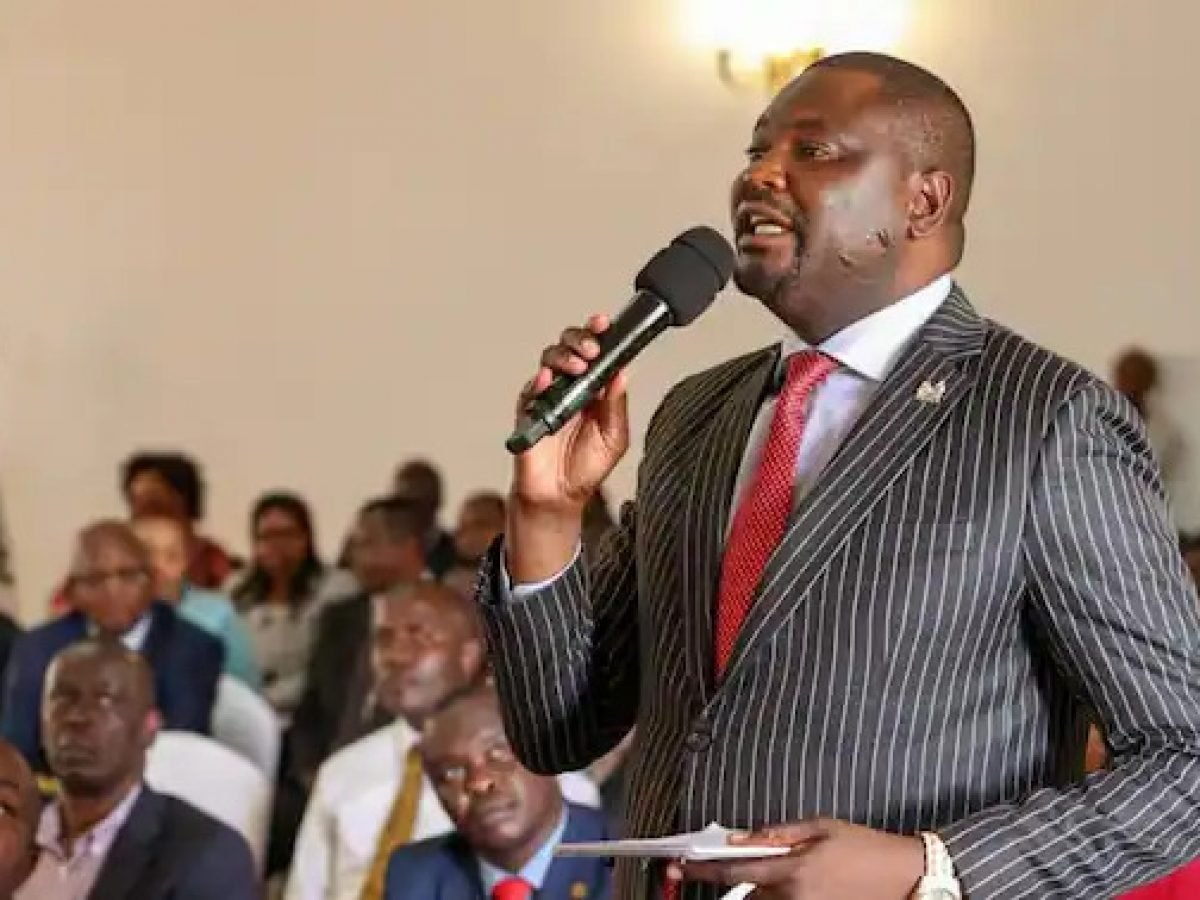
Mbeere North MP Geoffrey Ruku

By: James Kilonzo Bwire
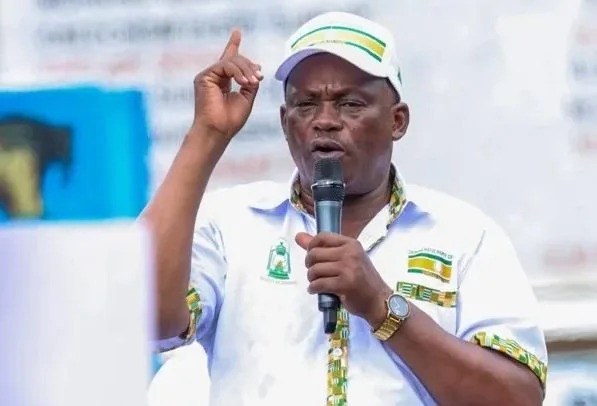
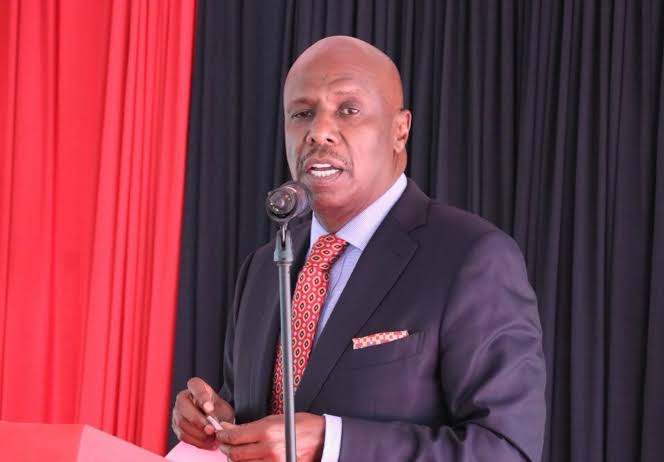
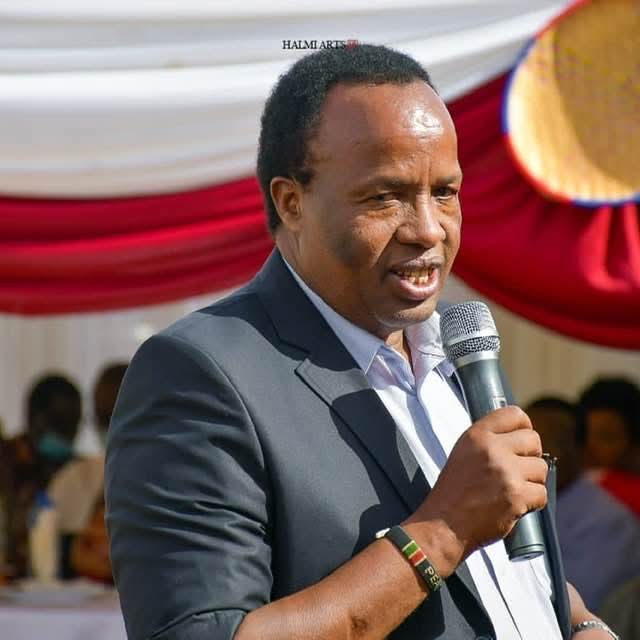
Mbeere North MP Geoffrey Ruku’s proposal to divide the Mt. Kenya region into Mt. Kenya East and West has ignited significant political discourse. Advocating for the leadership of influential figures like Cabinet Secretaries Kithure Kindiki and Justin Muturi, Ruku’s call reflects a growing frustration with ongoing power struggles within the region. This proposal not only highlights the need for localized governance but also underscores the broader issues of representation and political identity in Kenya’s evolving landscape.
The Mt. Kenya region has historically been a political powerhouse, but recent tensions have revealed deep divisions among its leaders. Ruku’s suggestion to split the region is a response to these fractures, aiming to create a more cohesive political environment for Mt. Kenya East. By focusing on independent development goals, Ruku believes that the region can better address its unique challenges without the overshadowing influence of broader regional politics.
Critics of Ruku’s proposal argue that dividing the region could further fragment its political influence on the national stage. Deputy President Rigathi Gachagua and Laikipia East MP Mwangi Kiunjuri have been at the forefront of this debate, with Gachagua positioning himself as the leader of the entire Mt. Kenya region. Kiunjuri’s opposition to Gachagua’s leadership reflects a broader concern that a singular leadership approach may not adequately represent the diverse interests of the region’s constituents.
Ruku’s comments during a church service in Embu County resonate with many who feel disillusioned by the constant political maneuvering that has characterized the region’s leadership. His call for a split is not merely about political boundaries; it symbolizes a desire for a more focused and effective governance model that prioritizes the needs of local communities. This sentiment is echoed by constituents who are weary of political infighting that detracts from essential development initiatives.
The timing of Ruku’s proposal is crucial, as political factions are solidifying ahead of the 2027 General Election. With various leaders vying for dominance, the question of who will emerge as the region’s kingpin remains contentious. Ruku’s advocacy for a split could be seen as a strategic move to consolidate support for Kindiki and Muturi, who are viewed as capable leaders with the potential to unite Mt. Kenya East.
Moreover, Ruku’s proposal reflects a growing trend among Kenyan politicians to seek localized solutions to national problems. The push for a more decentralized approach to governance aligns with calls for constitutional amendments that would ensure fair representation and resource allocation. This resonates with many voters who feel that their voices have been marginalized in the current political framework.
However, the potential for increased division raises concerns about the long-term implications for the region’s unity. Leaders like Kiunjuri warn that fragmentation could weaken Mt. Kenya’s influence in national politics, making it more challenging to advocate for the region’s interests. The delicate balance between pursuing localized governance and maintaining a unified front is a critical consideration for all stakeholders involved.
As discussions around Ruku’s proposal continue, it is essential for leaders to engage in constructive dialogue that prioritizes the needs of their constituents. The focus should be on building consensus and finding common ground that fosters collaboration rather than division. Only through unity can the Mt. Kenya region effectively navigate the complexities of Kenya’s political landscape.
In conclusion, Geoffrey Ruku’s proposal to divide the Mt. Kenya region is a reflection of the underlying tensions and aspirations within the area. While it presents an opportunity for localized governance, it also poses challenges that require careful consideration. As the region moves forward, the emphasis must be on fostering unity and collaboration among its leaders to ensure that the voices of all constituents are heard and represented. The future of Mt. Kenya may depend on how well its leaders can balance the pursuit of localized interests with the need for collective strength in national politics.
James Kilonzo Bwire is a Media and Communication Practitioner.
Similar Posts by The Mt Kenya Times:
- Mt Kenya Times ePAPER October 24-25, 2026
- Muturi calls on IEBC to keep election technology tender clean and on schedule
- Ruto meets UAE minister in push to deepen trade ties
- Gideon Moi breaks silence on Ruto fallout, cites broken promises
- The doctor who refused to abandon a sick Uganda
About the Author