

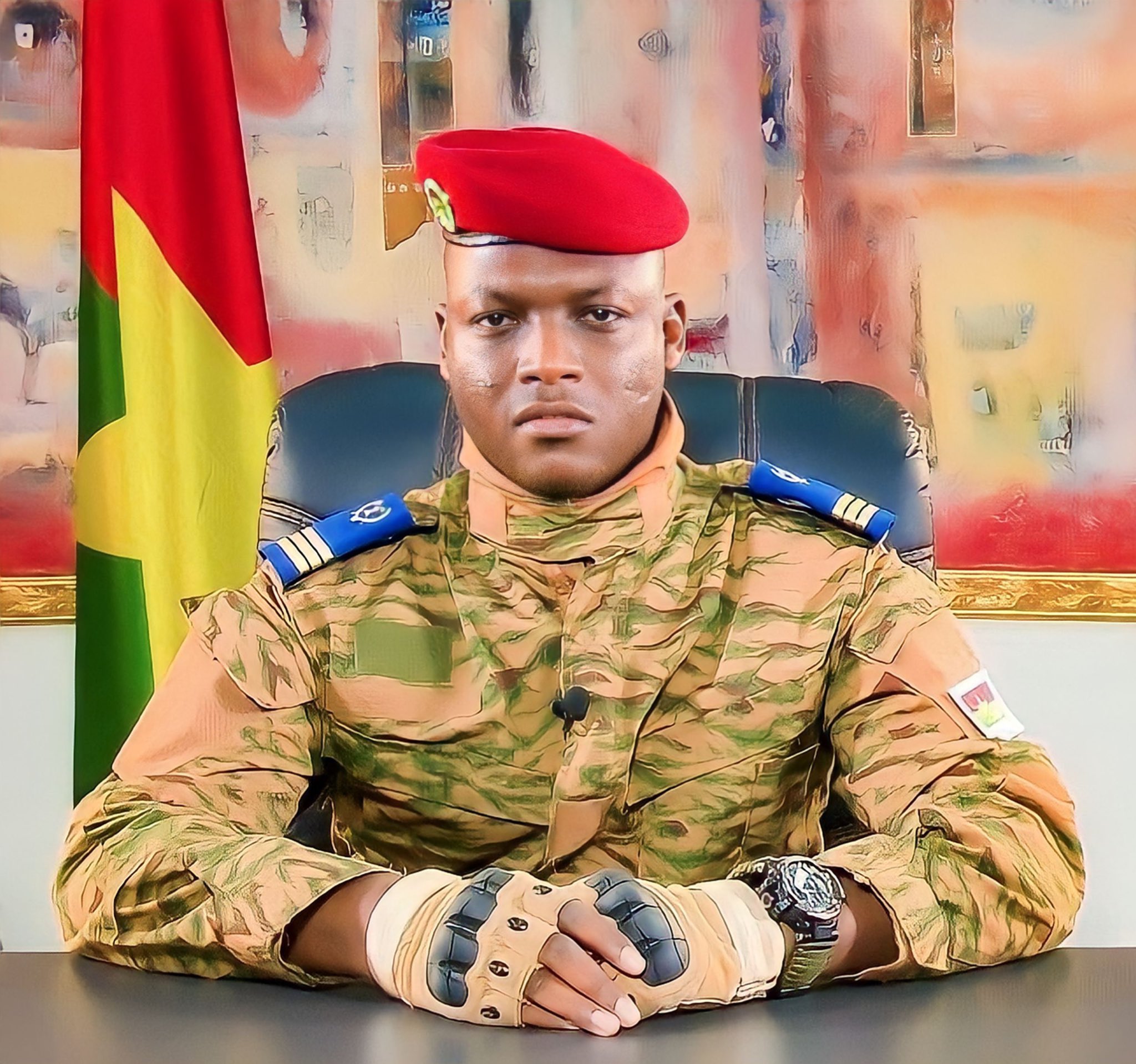
A discourse on the indomitable spirit of African leaders striving for unity amidst adversity and the shadows cast by Western intervention.
By: Midmark Onsongo
Worth Noting:
- Traoré, who ascended to power amid the turbulence of 2022, encapsulates the spirit of his predecessors, blending their visions with the urgency of today’s challenges. Under his leadership, Burkina Faso has witnessed a resurgence of national pride, with efforts to fortify the country’s sovereignty against external pressures.
- Traoré’s military strategies echo Sankara’s revolutionary fervor, as he tackles the dual threats of terrorism and economic instability, not merely as challenges to be managed but as opportunities for rallying the nation’s strength. He stands firm against the narrative of dependence, asserting that true progress stems from within, a testament to the unyielding spirit of Africanism. Yet, amidst this resurgence of African leadership, the shadow of Western influence looms large.
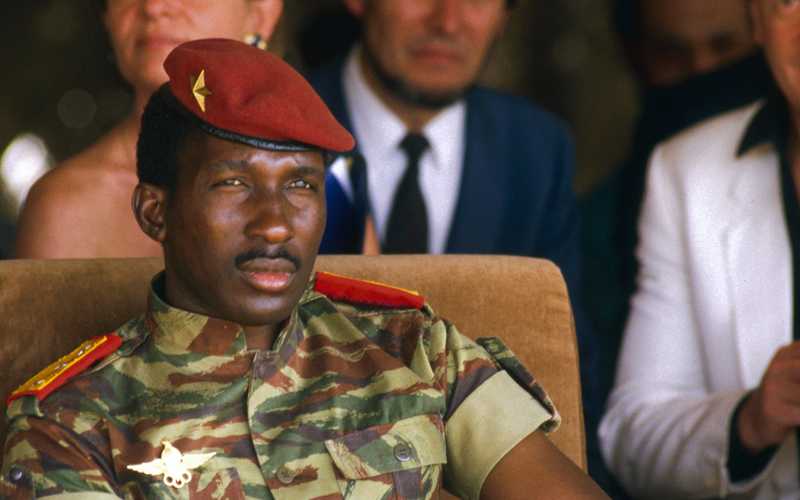
In the sprawling Africa’s history, certain figures emerge like brilliant stars in an otherwise tumultuous sky, illuminating the path to unity and self-determination. Among them, Muammar Gaddafi—Muammar Muhammad Abu Minyar al-Gaddafi—stands tall as a prophetic voice, one who foresaw the potential for a united African continent long before the echoes of his demise in 2011.
A man whose vision of a singular African identity mirrored the sentiments of fellow luminaries such as Thomas Sankara and Ahmed Sekou Touré, Gaddafi’s dream was rooted in the soil of Pan-Africanism, a movement that sought to weave together the diverse threads of African nations into a single, resilient fabric.
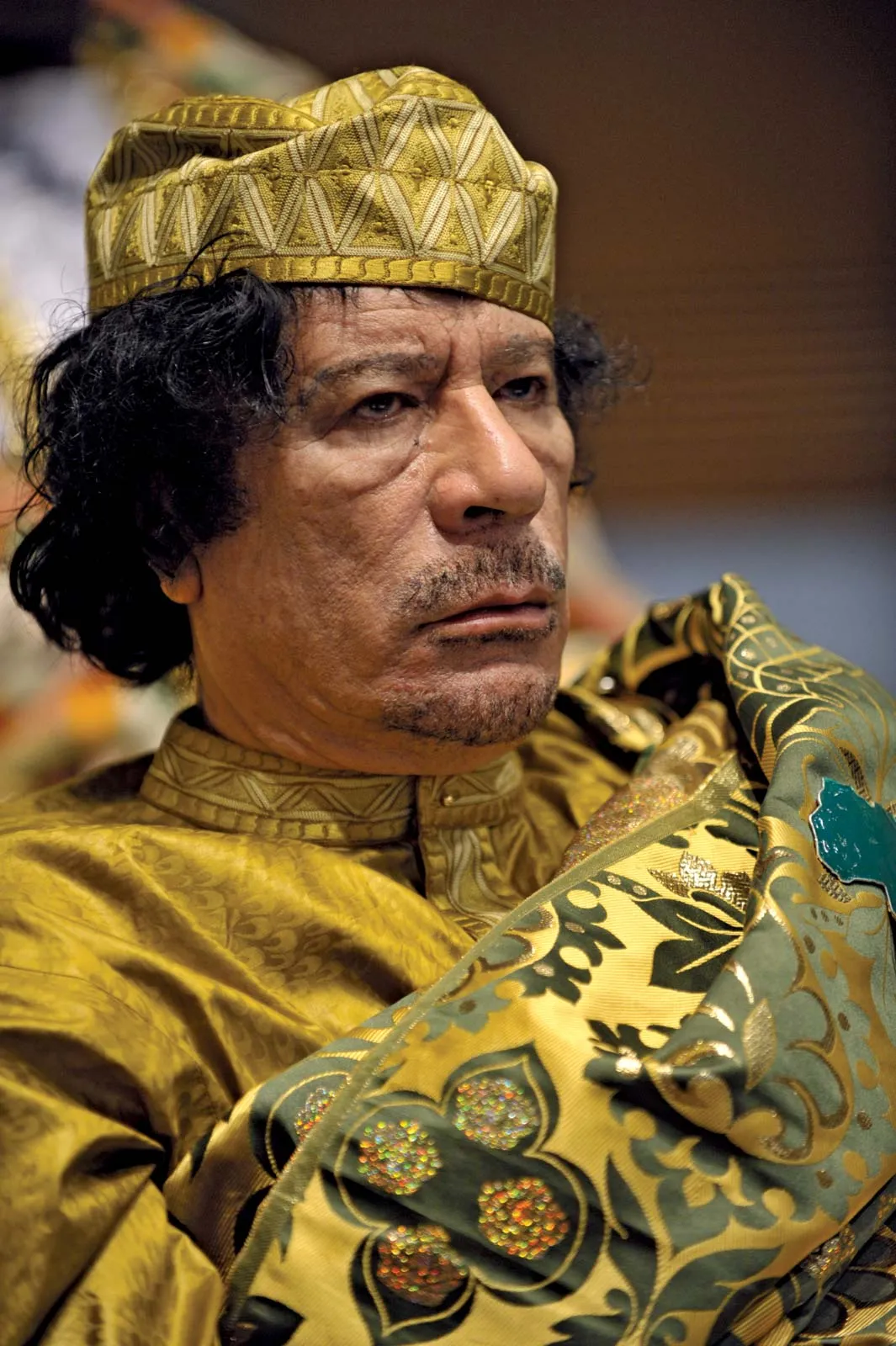
His prediction was more than mere rhetoric; it was a clarion call, reverberating through the annals of history, urging his compatriots to shed the shackles of colonial legacy and embrace their shared heritage. Gaddafi believed that the African Union, formed in 2001, was the key to unlocking the continent’s vast potential—a potential stifled by decades of external exploitation and internal discord.
In the eloquence of his speeches, he painted a vivid picture of an Africa where the lion of liberation roared loudly, overpowering the whispers of division and discord. Gaddafi’s grand vision was steeped in the understanding that unity was not merely a dream, but a necessity for survival in a world where the West, with its duplicitous charms, sought to orchestrate conflict and division.
However, the legacy of Gaddafi’s dream did not fade with his passing. It found resonance in the ideals championed by Thomas Sankara, the revolutionary leader of Burkina Faso, who embodied the spirit of African socialism and self-reliance.
Sankara’s bold declaration, “We cannot swim in the ocean of liberation and remain content with the flotsam of dependence,” echoed Gaddafi’s calls for unity. He inspired a generation to look beyond their borders, urging nations to collaborate and foster a sense of belonging within the broader African community. With sweeping reforms in education and agriculture, Sankara exemplified the profound changes that could stem from collective ambition, his legacy woven into the fabric of African resilience.
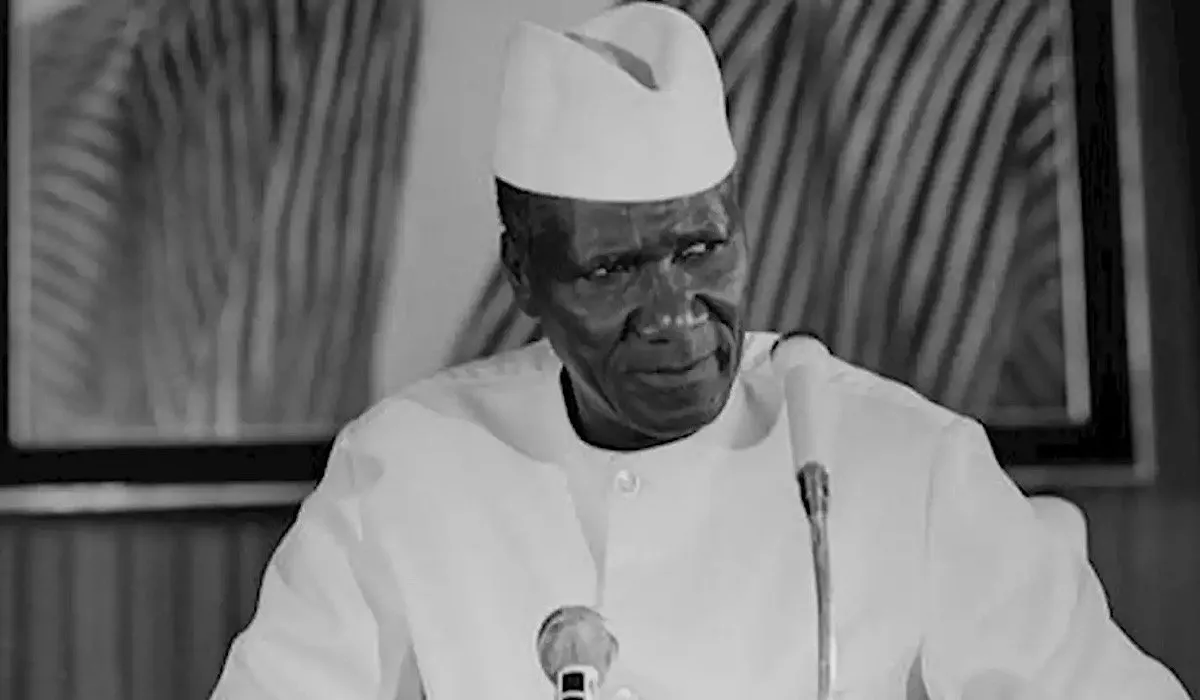
Similarly, Ahmed Sekou Touré, the first President of Guinea, embraced the ethos of African independence with fervor. He understood that the liberation struggle required not just military might but a robust sense of national identity and pride. Touré’s stance against neocolonialism was a direct challenge to Western interference, as he boldly declared, “We must put an end to the western exploitation of Africa.” His leadership inspired many, showcasing that unity and independence was not mere aspirations but achievable realities. In contemporary discourse, we find a kindred spirit in Ibrahim Traoré, the transitional leader of Burkina Faso.
Traoré, who ascended to power amid the turbulence of 2022, encapsulates the spirit of his predecessors, blending their visions with the urgency of today’s challenges. Under his leadership, Burkina Faso has witnessed a resurgence of national pride, with efforts to fortify the country’s sovereignty against external pressures.
Traoré’s military strategies echo Sankara’s revolutionary fervor, as he tackles the dual threats of terrorism and economic instability, not merely as challenges to be managed but as opportunities for rallying the nation’s strength. He stands firm against the narrative of dependence, asserting that true progress stems from within, a testament to the unyielding spirit of Africanism. Yet, amidst this resurgence of African leadership, the shadow of Western influence looms large.
History is replete with instances where Western powers have stoked the flames of conflict in Africa, manipulating tribal tensions and political rifts for their gain. The 1994 Rwandan genocide, a catastrophic event marked by ethnic divisions exacerbated by foreign interference, serves as a harrowing reminder of the consequences of external meddling.
Similarly, Libya’s descent into chaos following Gaddafi’s removal by NATO forces in 2011 illustrates the perilous outcomes of misguided interventions that disregard the complexities of African societies. The irony is palpable: while these Western interventions are often cloaked in the guise of liberation, they frequently leave a trail of destruction and division in their wake, a paradox that continues to haunt the continent.
As we traverse this intricate landscape of African leadership, the juxtaposition of visionary leaders and the insidious nature of Western intervention invites reflection. The relentless cycle of conflict, often orchestrated by foreign interests, serves as a backdrop against which the aspirations of figures like Gaddafi, Sankara, Touré, and Traoré must be viewed. Their efforts to unite Africa against the tide of external pressures stand as a testament to their unwavering resolve, a symbol of hope amidst despair.
The notion of unity, however, is not merely an abstract concept. It requires tangible actions, a commitment to collaboration across borders, and a rejection of the narratives that seek to divide. As Gaddafi once proclaimed, “We must unite and stand together or we will be conquered separately.” This call to action resonates deeply today, as African nations grapple with the repercussions of historical injustices and the pervasive influence of neocolonialism.
The journey towards African unity is fraught with challenges, yet it is propelled by the indomitable spirit of leaders who dared to dream. From Gaddafi’s audacious predictions to the revolutionary zeal of Sankara, the steadfast resolve of Touré, and the contemporary vision of Traoré, the quest for unity remains a vibrant and pressing endeavor.
As the echoes of their voices reverberate through time, they remind us that the lion’s roar can still drown out the cacophony of division. The collective ambition of Africa, rooted in its rich tapestry of cultures and histories, holds the promise of a brighter future—one that transcends borders, fosters solidarity, and ultimately culminates in the realization of Gaddafi’s prophetic vision.
In this light, the path ahead may be challenging, but it is illuminated by the unwavering determination of a continent poised to reclaim its narrative and forge a united destiny. The pursuit of African unity, then, is not just a dream but a necessity—a rallying cry for all who believe in the power of togetherness to overcome adversity.
The tragic deaths of leaders like Muammar Gaddafi, Thomas Sankara, and Ahmed Sekou Touré highlight a common theme of betrayal often orchestrated by Western powers. Gaddafi was brutally killed in 2011 during a NATO-backed uprising, a clear manifestation of how former allies turned enemies were manipulated into turning against him.
His closest confidants and generals, once loyal, were co-opted by Western interests, leading to his downfall. Similarly, Thomas Sankara was assassinated in 1987 by a coup led by his close associate, Blaise Compaoré, who was reportedly backed by foreign powers eager to quash Sankara’s socialist agenda. Ahmed Sekou Touré faced betrayals from within as well, as his authoritarian regime alienated potential allies, ultimately leading to his downfall amidst internal dissent.
As for Ibrahim Traoré, the question of loyalty looms large. In an environment fraught with external pressures and potential betrayals, Traoré’s ability to navigate these treacherous waters will be crucial. Whether he can cultivate genuine loyalty among his inner circle remains uncertain. If he surrounds himself with dedicated allies who share a vision of African unity and independence, he may indeed break the cycle of betrayal that has plagued his predecessors.
This article was scripted by;
MIDMARK ONSONGO, SGS
(Socio-Geographic Scholar)
Similar Posts by Mt Kenya Times:
- Kwekwe at a Crossroads: Mining, Water and Social Strain in the Midlands
- Extending Terms, Testing Trust: Zimbabwe’s Bill 3 Debate
- Blind, not blinkered: Why the law must never wear a gendered face
- Mt Kenya Times ePAPER May 19, 2026
- Beyond CAB3: the structural failures eroding Zimbabwe’s politics
 Mt Kenya Times
  Xinhua Media