The Truthful Ibrahim Traore And Populist Liar William Ruto In The Race Of Power
 The Mt Kenya Times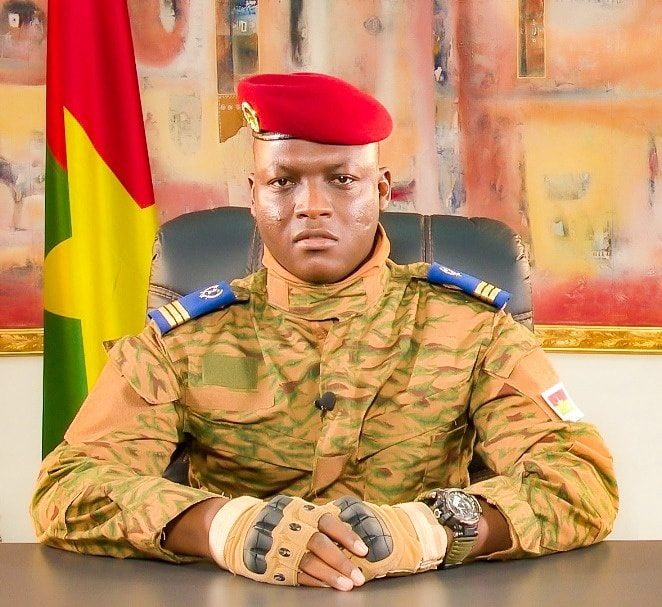
Ibrahim Traore
A comparative exploration of the contrasting leadership styles and political climates of Burkina Faso’s Ibrahim Traore and Kenya’s Populist William Ruto
By: Midmark Onsongo
Worth Noting:
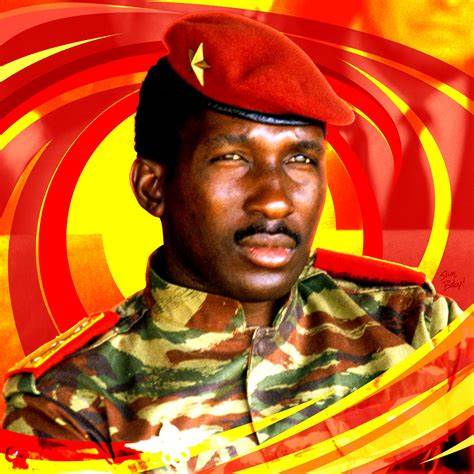
- Like a fresh breeze on a scorching day, Traore’s ideas bring hope where once there was despair, setting forth on a mission to empower youth and redefine national identity. In the shadows of his leadership, one finds echoes of history—figures like Thomas Sankara, whose revolutionary zeal inspired a generation, now seemingly reborn in the spirit of this young leader.
- The anaphora of hope is palpable as citizens chant his name, rallying behind a figure who appears ready to steer the ship of state into calmer waters.
- Conversely, William Ruto’s administration paints a portrait less favorable, marred by accusations of mismanagement and allegations of corruption that cling to him like a shroud.
Two men stand as disparate figures of influence, each weaving a tapestry of governance with threads of ambition, charisma, and the shadows of their predecessors. Ibrahim Traore, the thirty-six-year-old wonderboy of Burkina Faso, and William Ruto, the seasoned yet often controversial figure at the helm of Kenya, present a curious case of contrasts. One, a burgeoning beacon of hope amidst a tumultuous landscape, the other, a political enigma often mired in the swirling currents of public dissent. In this dizzying dance of governance, where the flicker of progress battles the tempest of turmoil, one must ask: which leader exemplifies the true essence of African resilience and innovation?
Traore, who ascended to power in a whirlwind of youthful vigor following the ousting of President Paul-Henri Sandaogo Damiba in September 2022, embodies the spirit of a new generation eager to reclaim the narrative of their nation. His administration, despite its infancy, is painted with broad strokes of promise and purpose, fueled by a deep-seated desire to address the root causes of insecurity and socio-economic strife that plague his country.
In stark contrast, Ruto’s leadership—marked by the dissonance of unfulfilled promises and economic hardship—often finds itself on the receiving end of public scorn, a cacophony of disappointment that rings louder with each passing day. When the winds of change swept through Burkina Faso, it was Traore’s vision that captured the imagination of a nation. His commitment to eradicating terrorism, promoting education, and fostering economic independence resonates deeply with a populace yearning for stability and progress.
Like a fresh breeze on a scorching day, Traore’s ideas bring hope where once there was despair, setting forth on a mission to empower youth and redefine national identity. In the shadows of his leadership, one finds echoes of history—figures like Thomas Sankara, whose revolutionary zeal inspired a generation, now seemingly reborn in the spirit of this young leader. The anaphora of hope is palpable as citizens chant his name, rallying behind a figure who appears ready to steer the ship of state into calmer waters.
Click here to connect with us on WhatsApp
Conversely, William Ruto’s administration paints a portrait less favorable, marred by accusations of mismanagement and allegations of corruption that cling to him like a shroud. Since taking office in September 2022, Ruto has faced mounting challenges, from escalating prices of basic commodities to widespread unemployment rates that hover ominously over the Kenyan populace.
The hyperbole surrounding his campaign promises now stands in stark antithesis to the reality faced by ordinary Kenyans, who struggle under the weight of a stagnant economy. Where Traore offers a glimmer of hope, Ruto’s tenure has become a litany of woes, with citizens questioning the very fabric of his leadership.
Imagine, if you will, a young leader rallying his people with fervor, yet contrasting it with an older counterpart who has seemingly lost touch with the struggles of his constituency. As Ruto’s administration grapples with the fallout of his decisions, the irony is stark: a leader who once championed the cause of the downtrodden now stands accused of betraying their trust.
It is a paradox that serves as a poignant reminder of the fickle nature of political power. Ruto’s path, lined with promises of prosperity, has turned into a labyrinth of disillusionment, with citizens feeling as though they have been sold a mirage—a cruel joke played by the very person who once inspired their dreams.
The juxtaposition of these two leaders extends beyond their policies; it delves deep into the heart of leadership styles. Traore’s approach exudes authenticity, engaging with the grassroots, listening to the voices of the people, and echoing their aspirations. His administration has made strides in improving security, a pressing issue in a nation that has borne the brunt of terrorism and instability.
With an emphasis on community-based initiatives, he aims to unite a fractured society, one often divided along ethnic lines. It is a shrewd maneuver, reminiscent of great African leaders of yore who understood the power of collective identity.
This inclusive approach contrasts sharply with Ruto’s often polarizing rhetoric, which seems to widen the chasm between the privileged and the marginalized, creating an oxymoron where hope collides with despair. Yet, let us not forget the power of symbolism that underscores this analysis.
Traore stands as a symbol of youthful vigor, a phoenix rising from the ashes of his nation’s challenges, while Ruto’s administration has become synonymous with stagnation and scandal. The imagery of a vibrant youth leading the charge for change juxtaposed against the backdrop of an aging political landscape creates a striking visual of what could be versus what is.
It compels one to question: is Ruto merely a relic of a bygone era, or can he redefine his legacy amidst the rubble of public discontent?
In a nation grappling with complex socio-economic realities, Traore has made strides in addressing the issues that resonate with the populace. His administration’s focus on agricultural reform is a breath of fresh air, akin to the rain that falls on parched land, nurturing the seeds of growth and prosperity.
In stark contrast, Ruto’s policies often seem detached from the realities faced by everyday Kenyans, leading to a dissonance that echoes in the hearts of the people. His attempts at economic reforms have been met with skepticism, leaving citizens to wonder if they are merely pawns in a political game designed to line the pockets of the elite.
In the grand scheme of African politics, where aspirations often collide with harsh realities, the tale of these two leaders is a reflection of the broader struggle for progress. Traore, with his youthful exuberance, captures the essence of a continent poised for transformation, while Ruto represents the challenges that come with power—an often treacherous path littered with the debris of broken promises and shattered dreams.
The rhetorical question lingers in the air: can Ruto navigate the turbulent waters of public discontent and reclaim the trust of his people, or will he remain a cautionary tale of lost potential?
As the sun sets on this comparative analysis, one must acknowledge the profound implications of leadership on the lives of ordinary citizens. Traore, through his actions and vision, inspires hope—a clarion call for a brighter tomorrow in Burkina Faso.
Meanwhile, Ruto stands at a crossroads, faced with the daunting task of revitalizing a government that has lost its way. In this intricate dance of governance, the rhythms of leadership play a crucial role in shaping the narrative of a nation.
As we bear witness to this unfolding saga, let us remember that the essence of leadership lies not merely in the title one holds, but in the impact one leaves behind. Ibrahim Traore’s ascent heralds a new dawn for Burkina Faso, while William Ruto’s journey serves as a reminder that the path to greatness is often fraught with challenges that demand introspection, resilience, and an unwavering commitment to the people one serves.
In the end, it is the collective will of the people that will determine the legacy of these two leaders—a legacy that will echo through the corridors of history, shaping the future of a continent on the cusp of transformation. If you really feel mad as a Kenyan then here’s Traore’s achievement without any political skills;
Traore successfully launched a national education reform initiative while Ruto struggled to address the escalating rates of school dropouts.Traore implemented community-based security programs while Ruto faced widespread criticism for rising crime rates.Traore achieved significant improvements in agricultural productivity while Ruto’s administration battled with soaring food prices.
Traore fostered international partnerships to combat terrorism while Ruto was embroiled in scandals undermining public trust.Traore promoted youth employment initiatives while Ruto saw unemployment rates soar under his leadership.Traore gained popular support through transparency measures while Ruto faced allegations of corruption within his government.
Traore prioritized health sector reforms leading to better access to healthcare while Ruto’s administration struggled with healthcare system inefficiencies. Traore secured funding for infrastructure development while Ruto dealt with criticism over delayed public projects.
Traore led initiatives to empower women in politics while Ruto’s tenure saw a decrease in female representation in government. Traore effectively responded to public protests with dialogue while Ruto’s government faced backlash for heavy-handed tactics against dissent.
In light of recent security challenges facing Kenya, how can the military balance its primary role of national defense with the need for community engagement and support in addressing internal security issues which is police brutality & abduction?
This article was scripted by;
MIDMARK ONSONGO, SGS
(Socio-Geographic Scholar)
Similar Posts by The Mt Kenya Times:
- Diaspora Times Global Sep 26 – Oct 2, 2026
- RS South Africa supports next-generation edge AI with NVIDIA Jetson Orin Nano 2
- AFRICLOUD opens Lagos region and local-currency payments across African markets
- Fine Spinners targets Kenya’s US apparel supply chain with $5m investment
- Nuclear energy debate must begin with public trust and shared responsibility
About the Author