The Personalization Of Power: Why Issue-Based Politics Remains Elusive In Kenya
 The Mt Kenya Times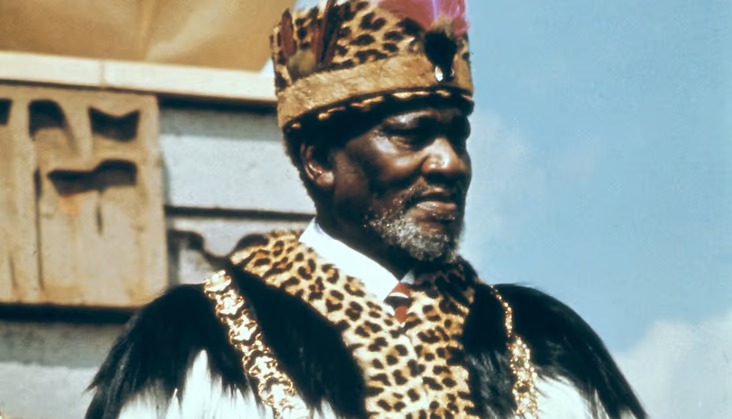
The first president Jomo Kenyatta
By Jerameel Kevins Owuor Odhiambo
Worth Noting:
- The 2022 Kenyan general election provides a compelling case study of the entrenchment of personality politics. Despite calls for issue-based campaigns, the election was largely framed around the personalities of the two main contenders, William Ruto and Raila Odinga. Professor Macharia Munene of the United States International University-Africa notes, “The 2022 election demonstrated once again that Kenyan politics revolves around big men and their ethnic constituencies, rather than coherent ideologies or policy platforms” (Munene, 2023).
- International scholars have also commented on this phenomenon. Professor Nic Cheeseman, a British political scientist specializing in African politics, observes that “the personalization of power in Kenya has created a political system where parties are little more than vehicles for individual ambitions, lacking coherent ideologies or policy agendas” (Cheeseman, 2018).
The ideal of issue-based governance has long been touted as the panacea for the country’s myriad socio-economic challenges in Kenya. However, a closer examination of the political landscape reveals a stark reality: the dominance of personality-driven politics and the conspicuous absence of ideological commitment among political actors. This phenomenon has led many scholars and political observers to conclude that issue-based politics in Kenya remains a utopian concept, far removed from the pragmatic realities of power dynamics in the country.
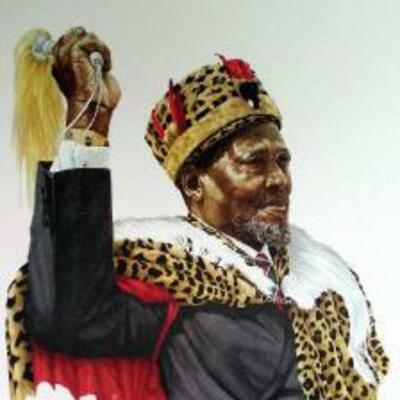
The personalization of politics in Kenya has deep historical roots, tracing back to the immediate post-independence era. The first president, Jomo Kenyatta, established a pattern of ethnic-based patronage that subsequent leaders have largely emulated. This system, characterized by the distribution of resources and opportunities along ethnic lines, has created a political culture where personal loyalty to leaders trumps ideological alignment or policy preferences.
Professor Karuti Kanyinga, a prominent Kenyan political scientist from the University of Nairobi, argues that “the persistence of ethnic-based politics in Kenya is a result of the instrumentalization of ethnicity by political elites for personal gain”. This observation underscores the entrenched nature of personality-driven politics, where ethnic identity serves as a proxy for political mobilization rather than substantive policy issues.
Click here to connect with us on WhatsApp
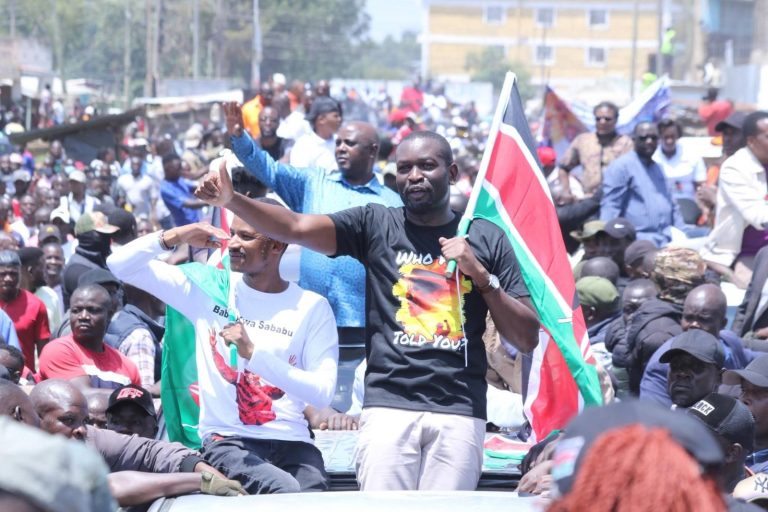
The 2022 Kenyan general election provides a compelling case study of the entrenchment of personality politics. Despite calls for issue-based campaigns, the election was largely framed around the personalities of the two main contenders, William Ruto and Raila Odinga. Professor Macharia Munene of the United States International University-Africa notes, “The 2022 election demonstrated once again that Kenyan politics revolves around big men and their ethnic constituencies, rather than coherent ideologies or policy platforms” (Munene, 2023).
International scholars have also commented on this phenomenon. Professor Nic Cheeseman, a British political scientist specializing in African politics, observes that “the personalization of power in Kenya has created a political system where parties are little more than vehicles for individual ambitions, lacking coherent ideologies or policy agendas” (Cheeseman, 2018). This assessment aligns with the experiences of many Kenyans who have witnessed the fluidity of political alliances and the frequent defections of politicians based on personal interests rather than ideological convictions.
The impact of this personality-driven political culture is far-reaching. Dr. Westen Shilaho, a researcher at the University of Johannesburg, argues that “the absence of issue-based politics in Kenya has led to a governance crisis where public policy is shaped more by patronage networks than by national development imperatives”. This observation highlights the detrimental effects of personalized politics on Kenya’s developmental trajectory.
One of the most glaring examples of the triumph of personality over ideology in Kenyan politics is the phenomenon of “political party hopping.” Politicians frequently switch allegiances between parties, often just before elections, with little regard for ideological consistency. Dr. Adams Oloo of the University of Nairobi points out that “the ease with which politicians change parties in Kenya is indicative of the lack of ideological grounding in our political system. Parties are seen as mere electoral vehicles rather than platforms for policy articulation”.
The Building Bridges Initiative (BBI), a recent attempt at constitutional reform in Kenya, further illustrates the prevalence of personality-driven politics. While ostensibly aimed at addressing national challenges, many critics viewed the BBI as a vehicle for power-sharing between political elites. Dr. Roseline Njogu, a legal scholar, argues that “the BBI process was more about consolidating political alliances than addressing systemic issues in Kenyan governance” (Njogu, 2022).
The media landscape in Kenya also plays a role in perpetuating personality-centric politics. Dr. George Ogola, a Kenyan media scholar at the University of Central Lancashire, notes that “Kenyan media often focuses on the drama of political personalities rather than substantive policy debates, reinforcing the personalization of politics” (Ogola, 2019). This media approach contributes to a political discourse that prioritizes charisma and rhetoric over policy substance.
The challenge of implementing issue-based politics in Kenya is further compounded by the country’s ethnic diversity and historical inequalities. Professor Gabrielle Lynch of the University of Warwick argues that “the salience of ethnicity in Kenyan politics is not merely a cultural phenomenon but a result of historical patterns of resource distribution and marginalization” (Lynch, 2017). This perspective suggests that addressing the root causes of personality-driven politics requires confronting deep-seated structural issues in Kenyan society.
Despite these challenges, there have been sporadic attempts to introduce issue-based politics in Kenya. The emergence of issue-focused civil society organizations and the increasing role of social media in political discourse have created some space for policy-oriented debates. However, Dr. Njoki Wamai of the United States International University-Africa cautions that “while there is growing awareness of the need for issue-based politics, the entrenched nature of personality-driven political culture makes meaningful change a long-term prospect” (Wamai, 2024).
The persistence of personality-driven politics in Kenya has significant implications for governance and development. Professor Winnie Mitullah of the University of Nairobi argues that “the focus on personalities rather than issues has led to a disconnect between electoral promises and policy implementation, contributing to citizen disillusionment with the political process”. This disconnect underscores the urgent need for a paradigm shift in Kenyan political culture.
In conclusion, while the aspiration for issue-based politics in Kenya remains strong among many citizens and scholars, the reality on the ground paints a different picture. The deeply entrenched culture of personality-driven politics, rooted in historical patterns of ethnic mobilization and patronage, continues to dominate the political landscape. As Professor Karuti Kanyinga aptly summarizes, “The transition to truly issue-based politics in Kenya will require not just institutional reforms but a fundamental reimagining of political engagement by both leaders and citizens”. Until such a transformation occurs, the idea of issue-based politics in Kenya may indeed remain a utopian vision, overshadowed by the pragmatic realities of personality-centric power dynamics.
The writer is a lawyer and legal researcher
Similar Posts by The Mt Kenya Times:
- Mt Kenya Times ePAPER September 28, 2026
- Kalonzo turns 40-year jibe into rule of law defence
- Roseline Njogu emerges as leading voice in Kenya’s diaspora and labour mobility agenda
- Ruto: Expansion of Mzima Springs water project to begin this year
- Linda Mwananchi settles on Sifuna as 2027 presidential flagbearer
About the Author