The Fight Against Female Genital Mutilation (FGM) In Kenya: A Call For Collective Action
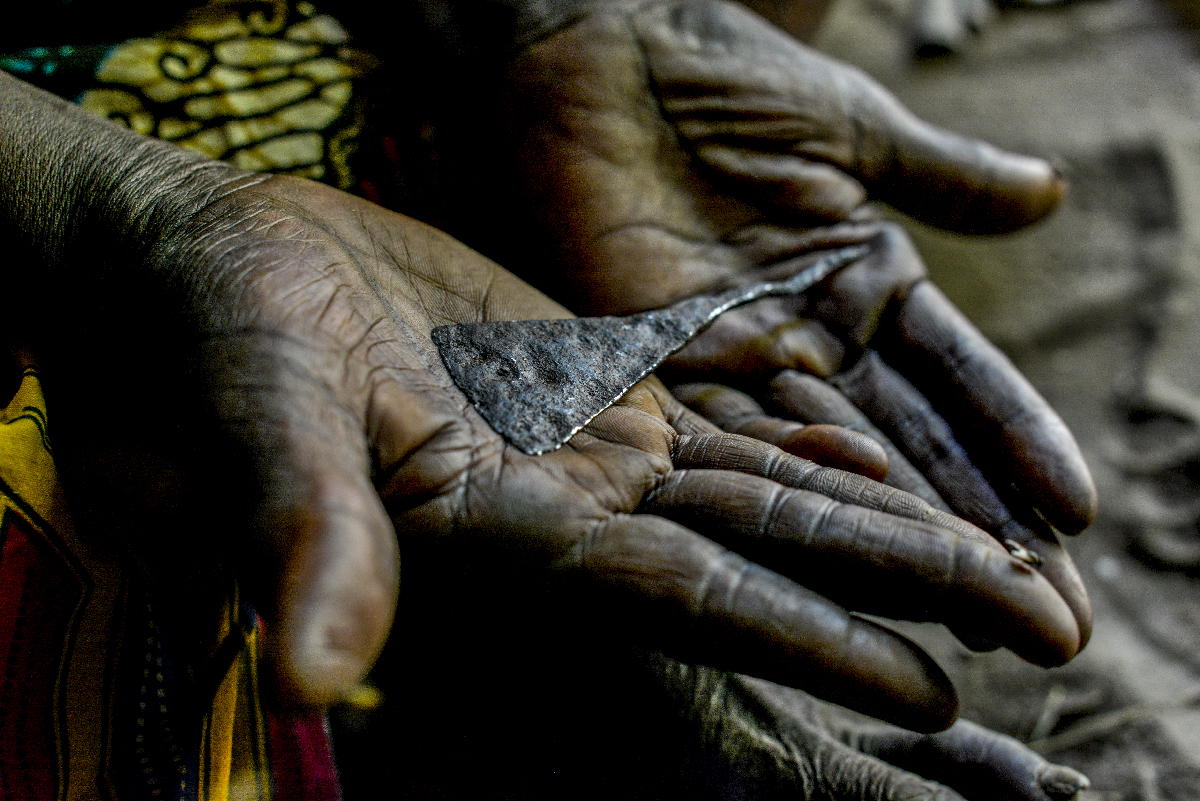

Co-authored by Dambalash Ermiyas and Deborah Monari
Female Genital Mutilation (FGM) remains a critical issue in Kenya, where cultural, social, and economic factors intertwine to perpetuate this harmful practice. Despite the legal framework established to combat FGM, it continues to affect women and girls in the country, posing severe health risks and infringing upon their rights and dignity.
FGM refers to various procedures involving the partial or total removal of external female genitalia for non-medical reasons. In Kenya, it is primarily practiced among specific ethnic communities, who view it as a rite of passage, a tradition that signifies womanhood and prepares girls for marriage. Unfortunately, many of these beliefs are steeped in misconceptions about purity, sexuality, and societal acceptance, which can lead to social ostracism for those who refuse to undergo the procedure.
According to the Kenya Demographic and Health Survey (KDHS), around 21% of women aged 15-49 have experienced FGM, in addition, the national prevalence stands at 15% according to the KDHS 2022. Higher prevalence rates are in regions such as Northeastern and Coast.
At its core, FGM is a tool for oppressing women. It denies them bodily autonomy, strips them of their sexual and reproductive health rights, and perpetuates harmful gender norms. FGM is often framed as a cultural or religious practice, but in reality, it is a form of control. By mutilating girls, society seeks to regulate their sexuality, curbing their freedom and reducing their sense of self-worth.
It is important to recognize that while men often push for the continuation of FGM, women also play a significant role in perpetuating the practice. Mothers, grandmothers, and female elders pressure younger girls to undergo the procedure, believing it is necessary for their acceptance into the community. However, this does not justify the practice. FGM is still a gender issue and a human rights violation, regardless of who supports it. It is a direct assault on women’s sexual and reproductive health and rights (SRHR).
The health consequences of FGM are profound. Girls who undergo the procedure face numerous immediate and long-term health risks, including severe pain, excessive bleeding, infections, childbirth complications, and psychological trauma. The emotional and mental impact can result in anxiety, depression, and post-traumatic stress disorder, creating lasting scars that can affect their overall well-being.The practice not only endangers the physical well-being of girls but also reinforces gender-based inequalities, denying them opportunities for education, empowerment, and a healthy life.
The Kenyan government has made significant strides in addressing FGM through legislation. The Prohibition of Female Genital Mutilation Act 2011 made it illegal to perform FGM, and it has since established a legal framework for the prevention and abandonment of the practice. However, enforcement remains a challenge, particularly in remote areas where cultural practices are deeply entrenched and traditional beliefs outweigh legal provisions.This lack of accountability emboldens those who continue to push for FGM, knowing they are unlikely to face prosecution.
If those who support and conduct FGM were prosecuted with consistency, they would likely reconsider their actions. However, the reality is that many get away with it, contributing to the cycle of oppression. The law cannot stand alone; it must be backed by strong investigative efforts and legal consequences for violators.
While education and sensitization programs are crucial in raising awareness about the dangers of FGM, they are not enough on their own. Educating communities about the health risks, psychological trauma, and human rights violations associated with FGM is important, but it does not guarantee compliance with the law.
Cultural beliefs run deep, and without the fear of legal consequences, education alone is unlikely to change these deeply rooted practices. It is vital to couple education with strong law enforcement and consistent prosecution of offenders.
Local leaders, including elders, religious figures, and educational institutions, play crucial roles in influencing public perceptions and practices as well as liaising with the authorities to identify Initiatives that focus on awareness creation and education can help shift cultural narratives by highlighting the health risks associated with FGM and promoting the value of girls’ education and empowerment. By working within communities, a consensus can be built around abandoning the practice, emphasizing alternative rites of passage that honor cultural traditions while protecting the rights and well-being of girls.
It’s unacceptable that we are still addressing the issue of FGM in this day and age. It’s frankly shameful and should have been left in the past. We must all unite in our efforts to eradicate this harmful practice once and for all.
Similar Posts by The Mt Kenya Times:
- Nigeria Starts Making Its Own Next-Generation Malaria Nets
- Diaspora Times Global Oct 3 – Oct 9, 2026
- Kwale’s electricity push moves from grid to growth
- Linguistic Features Of Chromatonyms In English And Uzbek
- A Poem, a Universe: A poetry book gaze at Jumaniyoz Jabborov’s “Ko‘zgudagi sanam”
About the Author