Child Marriage Still Stealing Futures Despite Global Bans, Report Finds
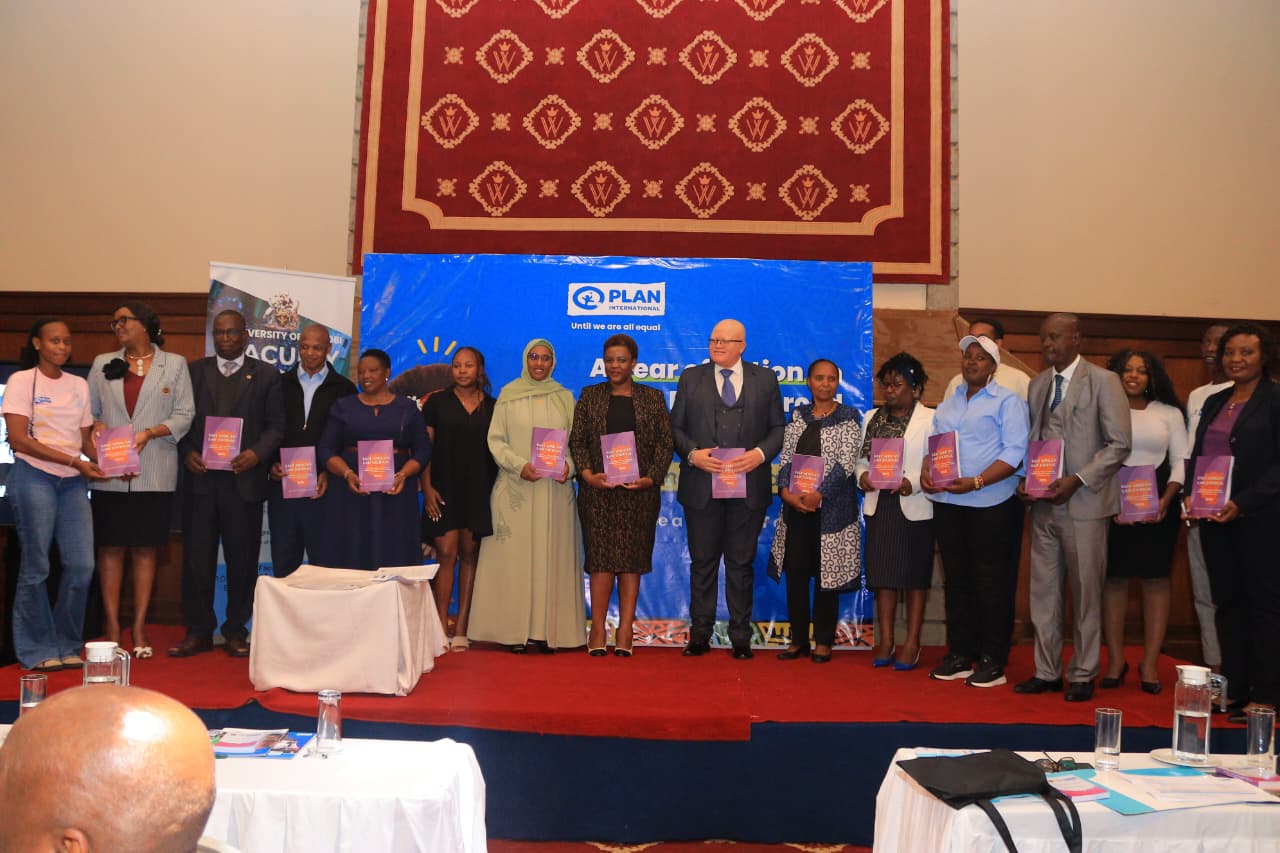
Plan International Day of the Girl #EndChildMarriage Storytelling Forum.
By Aoma Keziah,
A new global report has revealed how child marriage continues to steal away the futures of millions of girls each year, leaving many trapped in cycles of abuse, poverty, and lost opportunity.
The study, released by Plan International, features the voices of more than 250 girls and young women from 15 countries who were married or placed in informal unions before turning 18. Their stories, gathered through interviews and group discussions, expose the deep scars left by early marriage — from interrupted education to violence and social isolation.
“I was married off young. I wasn’t allowed to study or move forward in life. I was deprived of everything, but I won’t let that happen to my daughter. I want her to study, work, and have choices. Early marriage only leads to a dark future,” said Juna, a 24-year-old from Nepal.
Although laws against child marriage exist in nearly all the countries surveyed, the report shows that enforcement remains weak. Loopholes still allow parents or local authorities to approve unions involving minors, while informal arrangements go unrecorded and unmonitored.
Around the world, an estimated 12 million girls are still married off each year, despite global campaigns against the practice. In many cases, families cite poverty, cultural traditions, or fear of social judgment as reasons for arranging early marriages.
The testimonies collected by Plan International reveal that nearly half of the girls were married to men at least five years older, with some unions involving age gaps of two decades or more. Many described violent or controlling relationships. One in ten girls disclosed experiencing physical or sexual violence though the organization notes that the real figure is likely much higher, as many survivors remain silent due to stigma and fear.
Bupe, from Zambia, who was married at 15, said she endured regular beatings from her husband.
“He would intimidate me, and if I tried to speak up, he would beat me. I stayed quiet because I was afraid,” she said.
Education remains one of the biggest casualties of child marriage. Over one-third of the girls interviewed said they left school after marriage, while two-thirds reported being neither in school, employment, nor training. With limited access to contraception and reproductive health services, many also faced pressure to become pregnant soon after marriage.
The report warns that social media has added a new layer of risk. In several Asian and Latin American countries, older men use online platforms to target young girls, offering them marriage as a way out of poverty or family hardship.
Even for those who manage to escape child marriage, life often remains difficult. Nearly a third of those interviewed are now divorced, yet they face social rejection, poverty, and little legal protection. Informal or unregistered unions, in particular, leave women without property rights or access to child support.
“This study brings to light the lived realities of child marriage, it shows how girls’ lives are still being decided for them, leaving them vulnerable and voiceless. Progress has been too slow, and the law alone is not enough. We must change the beliefs and systems that allow this harm to continue,” remarked Reena Ghelani, Chief Executive Officer of Plan International.
Ghelani further called for greater investment in education, online safety, and programs that challenge social norms surrounding gender and marriage.
“Child marriage is not normal and should never be accepted as such, every girl deserves the right to choose her future. We won’t stop until that becomes a reality,” she added.
The report, titled Let Me Be a Child, Not a Wife, draws on interviews conducted in countries across Africa, Asia, and Latin America, including Bangladesh, Indonesia, Uganda, and Colombia. It is one of the most extensive pieces of research on the issue to date, painting a sobering picture of a global problem that continues to rob millions of girls of their childhoods and their dreams.
Similar Posts by Aoma Keziah:
- Nationwide Youth Business Drive Enters Last Lap With New Nyota Trainings
- Green Light From Washington Sets G42 On Fast Track to Build Region’s Most Powerful AI Network
- Safina Eyes Kariobangi North Seat in Intensified Push Before Poll Day
- KEBS Opens Talks With Manufacturers On New Standards Levy Order 2025
- Kenya, Uganda And South Sudan Chart Way Forward On East Africa Rail Corridor
About the Author


 The Mt Kenya Times