Kenya, China deepen ties with strategic Economic, Infrastructure and Trade agreements
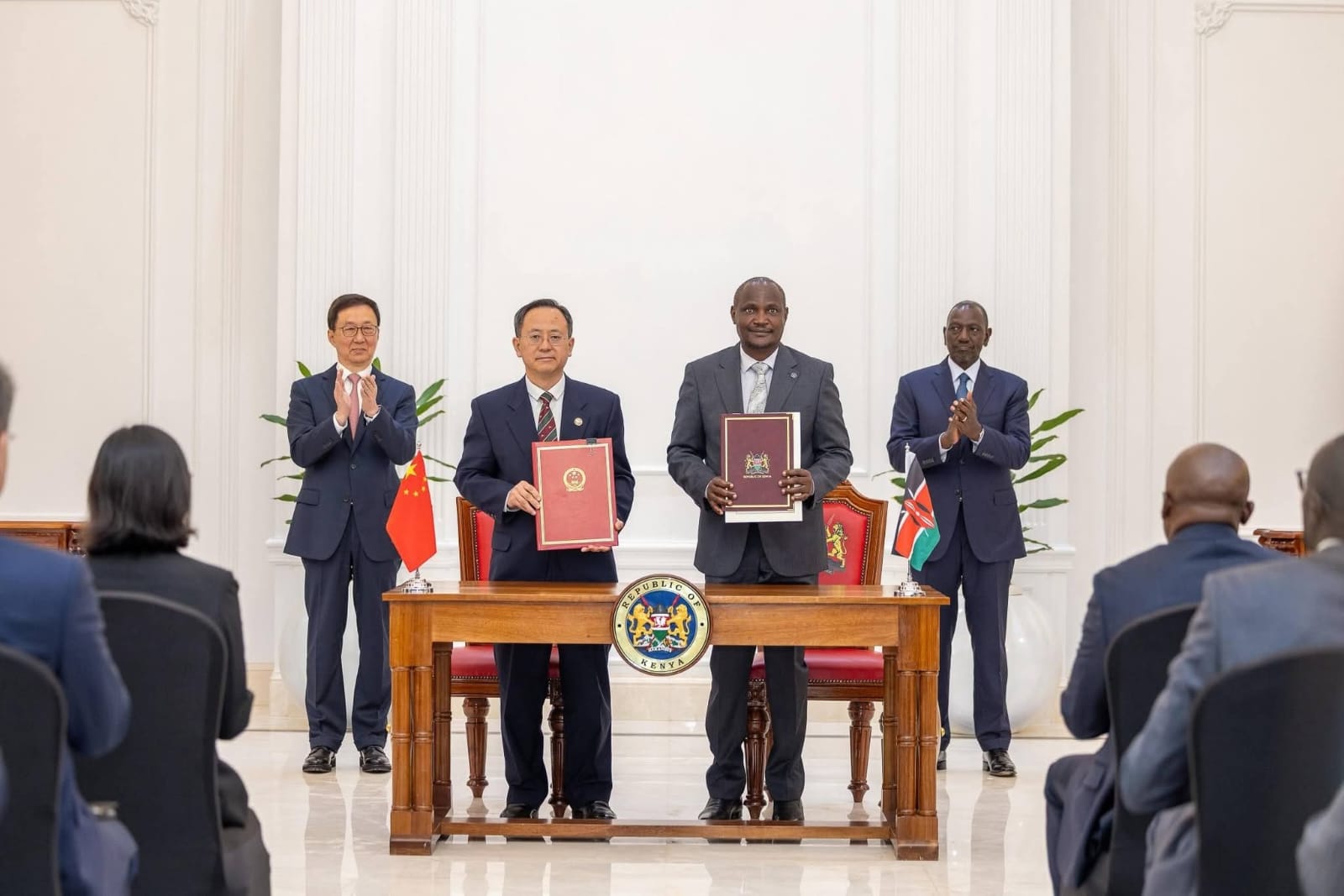
During the signing ceremony. Photo/Courtesy.
By MKT Reporter
Kenya and China have strengthened their diplomatic and economic partnership, with President William Ruto highlighting expanded trade access, infrastructure projects, and collaboration across multiple sectors during a meeting with Chinese Vice-President Han Zheng at State House, Nairobi.
President Ruto noted that the two nations’ relationship is anchored on shared interests and mutual development goals.
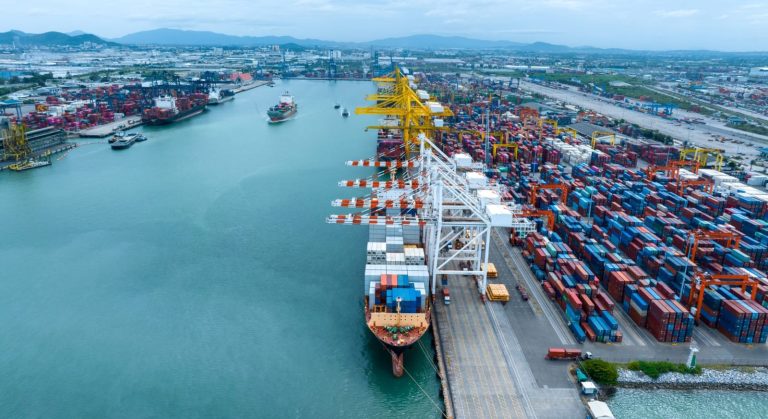
A key milestone is the Framework Agreement on Economic Partnership for Shared Development, which will allow Kenyan products duty-free, quota-free access to the Chinese market beginning in May 2026. This is expected to boost Kenyan exports, especially in agriculture, manufacturing, and industrial goods, and strengthen the country’s position in one of the world’s largest economies.
During the talks, four Memoranda of Understanding (MoUs) were signed, including the Early Harvest Arrangement on economic partnership, alongside agreements covering agriculture, livestock, and trade cooperation.
The agreements aim to promote sustainable growth, enhance market access for Kenyan farmers, and foster industrial collaboration.
On infrastructure, the President highlighted ongoing projects under the public-private partnership framework, such as the extension of the Standard Gauge Railway from Narok to Kisumu and Malaba, as well as the Rironi-Mau Summit highway.
These initiatives are expected to improve regional connectivity, reduce transport costs, and stimulate trade and investment across Kenya and the wider East African region.
President Ruto also emphasized collaboration in emerging sectors, including digital innovation, intelligent transport systems, green energy, healthcare, education, and industrialisation.
He noted that technology and knowledge transfer from China can accelerate Kenya’s socio-economic development, create jobs, and enhance competitiveness in global markets.
The agriculture and livestock sectors remain a priority, with agreements aimed at increasing productivity, promoting sustainable practices, and supporting smallholder farmers.
Trade agreements will facilitate the export of high-value products such as tea, coffee, and horticultural produce, while ensuring quality standards meet international requirements.
In addition, both leaders discussed strengthening partnerships in healthcare, focusing on medical equipment, pharmaceuticals, and training of health personnel.
Collaboration in education will support research, capacity building, and skills development, particularly in science, technology, engineering, and mathematics (STEM) disciplines.
President Ruto described the strengthened ties as a pathway to deliver tangible benefits to the Kenyan people, including improved infrastructure, better market access for exports, enhanced job opportunities, and accelerated economic growth.
China’s engagement is expected to not only solidify Kenya’s position as a regional trade hub but also attract further foreign investment across key sectors. Analysts note that these agreements signal a deepening of Kenya-China strategic relations at a time when global economic uncertainties call for diversified partnerships and resilient trade networks.
The successful negotiations and signing of MoUs mark another step in Kenya’s pursuit of economic transformation under President Ruto’s development agenda, reinforcing the country’s commitment to sustainable growth, innovation, and regional integration.
Similar Posts by The Mt Kenya Times:
- Obaga Momanyi hosts free medical camp for Persons with Disabilities in Bonchari
- How Kenya’s economic titans feast while competition law serves as courteous footnote
- PP2 graduation: When school ceremonies become a burden on parents
- 89 junior golfers chase glory at NCBA Lisle Shaw Championship
- Scaloni set to stay: Argentina coach to sign 2030 World Cup deal
About the Author


 Dan
Dan