Kenya on verge of landmark mineral deal with Trump administration, Ruto says
 The Mt Kenya Times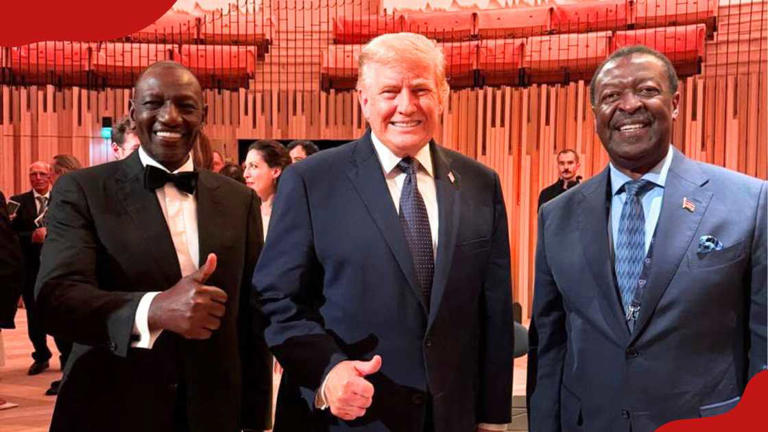
President William Ruto with US counterpart Donald Trump and Prime CS Musali Mudavadi at sidelines of G7 summit
By: Norman Mwale
“These natural resources can no longer be exported and processed elsewhere” — President William Ruto
Kenya is closing in on a landmark critical minerals agreement with the United States that would see its rare earths and strategic metals processed domestically, President William Ruto confirmed on the sidelines of the G7 summit on Thursday. The announcement signals a shift in how Africa negotiates resource partnerships with Western powers, with Nairobi demanding that value addition remain in-country rather than shipping raw ore overseas.
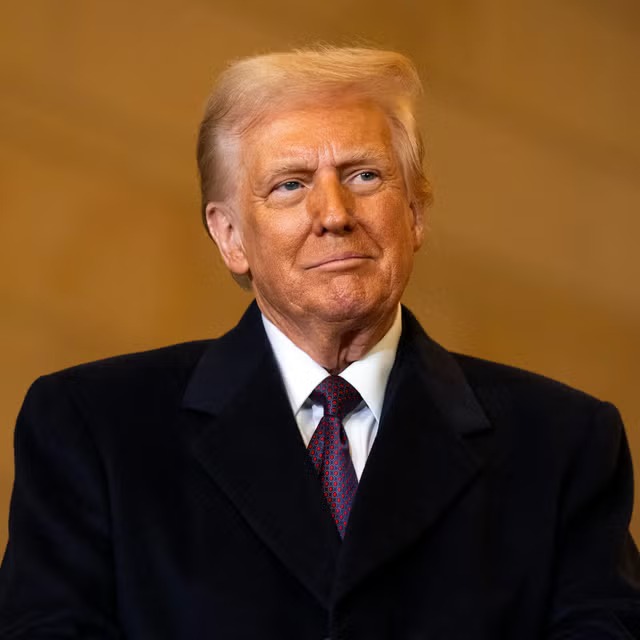
Speaking to Reuters after talks with G7 leaders including US President Donald Trump, Ruto said Nairobi and Washington had agreed on terms that are “mutually beneficial”. “We have agreed that the minerals will be processed in Kenya,” he said. “We’ve agreed with them on what is mutually beneficial between Kenya and the United States, and President Trump and the American administration are happy with it.” The framework is still in advanced negotiation rather than ratified form, but both sides appear aligned on core conditions.
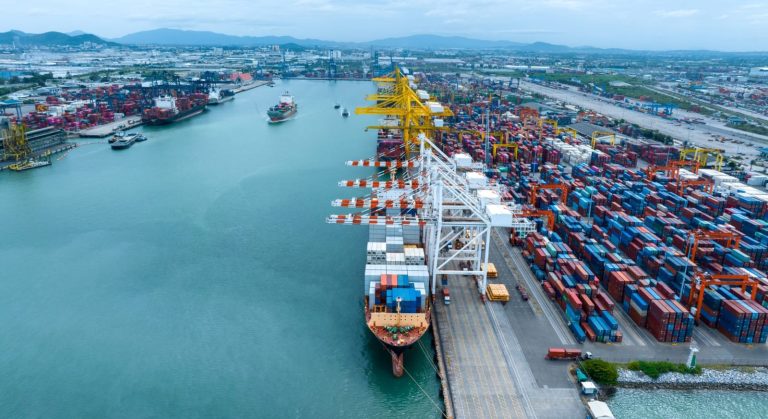
The deal covers rare earths as well as Kenya’s large untapped deposits of niobium, lithium, graphite, copper and nickel. Much of the focus centres on the Ksh8.1 trillion Mrima Hill deposit in Kwale County, where the Ministry of Mining opened a tender in March and has drawn interest from American, Chinese and Australian firms. Cortec Mining Kenya previously estimated the site’s value at more than $60 billion.
Ruto framed the agreement as part of a wider reset in Africa-West ties. “These natural resources can no longer be exported and processed elsewhere. They have to be processed in-country and in-continent. We have to create value out of them,” he said. He added that the model mirrors what the US is pursuing in the Democratic Republic of Congo, to ensure agreements benefit host nations. The push reflects a continent-wide move to keep more value from mining at home, with competition intensifying between Western nations and China over resources needed for the energy transition and advanced technology.
Washington’s interest is strategic. The US has mobilised more than USD100 billion through its Office of Strategic Capital and has cut permitting timelines from 29 years to under one year in some cases. A senior State Department official recently praised Kenya for its regulatory transparency and investment-friendly policies, calling it a “commercial partner with a governance framework to facilitate responsible mining development”.
Cabinet Secretary for Investments, Trade and Industry Lee Kinyanjui said Kenya was advancing a bilateral trade agreement alongside AGOA renewal talks, with mineral processing at the centre. “We are partnering with the US on mineral exploration and processing to avoid exporting raw minerals and also take advantage of opportunities in the digital space to create jobs for the youth,” Kinyanjui stated.
For Kenya, the stakes are high. If concluded, the deal would be the first of its kind between a sub-Saharan nation and Washington and could cushion exporters as the African Growth and Opportunity Act faces renewal uncertainty. Ruto said he would push for a minimum five-year AGOA extension, calling it “a platform that connects Africa and the US in a very fundamental way”.
For now, both sides say terms are broadly accepted, with domestic value-add established as non-negotiable. If signed, the agreement could turn Kenya’s geology into jobs and industrial growth, rather than another shipment of raw ore.
Similar Posts by The Mt Kenya Times:
- How writing builds resilience and strengthens the human mind
- Mental health among teachers
- The professorial mirage: Kenya’s universities drowning in students while the ivory tower stands empty
- Peter Mwathi: A proven leader with a record of service in Limuru
- Mt Kenya Times ePAPER September 22, 2026
About the Author
 Dan
Dan