NGEC raises concern over growing inequalities affecting Kenyan families and children
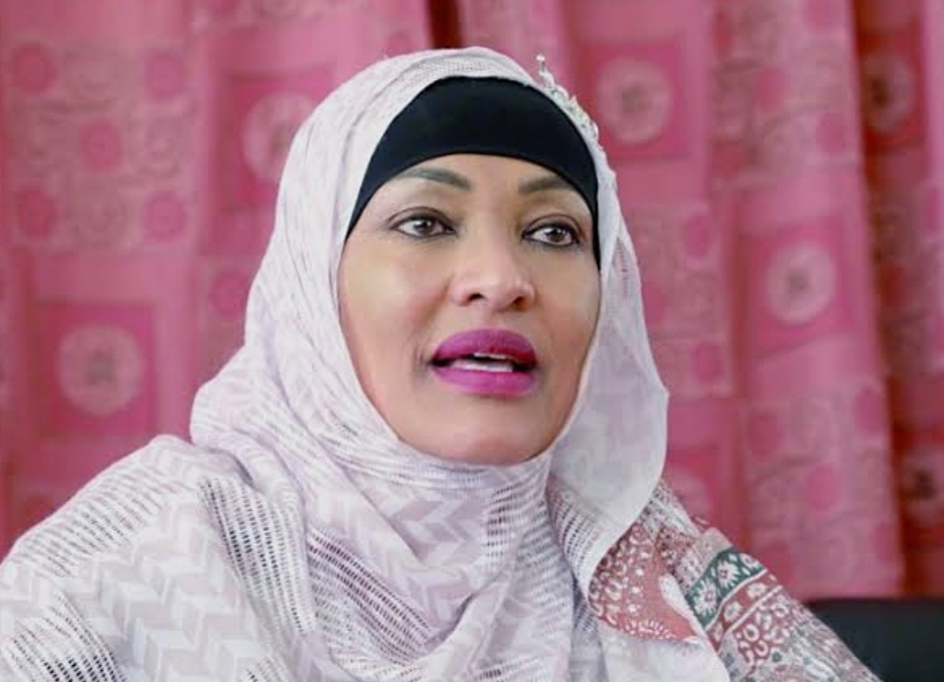
Ms Rehema Jaldesa
By WMW
The National Gender and Equality Commission (NGEC) has called for increased investment in family-centred policies and social protection programmes to address growing inequalities affecting families and the well-being of children across the country.
In a statement issued on Friday during the commemoration of the International Day of Families 2026, NGEC Chairperson Rehema Jaldesa said many Kenyan families continue to face economic and social pressures that threaten stability, dignity, and child welfare.
This year’s global theme, “Families, Inequalities and Child Well-being,” highlights the widening social and economic disparities affecting households and the impact on children’s safety, development, and access to opportunities.
The Commission noted that although the Constitution recognizes the family as the fundamental unit of society and guarantees equality, dignity, and social justice, millions of Kenyans still struggle to meet basic needs. According to the statement, Kenya’s poverty rate currently stands at 39.8 percent, with nearly 20 million people unable to adequately provide for themselves and their families. About 31.7 percent of households also face food poverty.
 NGEC acknowledged government efforts aimed at strengthening family welfare through social protection programmes, universal health coverage, education expansion, housing initiatives, and other support systems targeting vulnerable groups. The Commission said these interventions have contributed to improved life expectancy and quality of life over time.
However, the Commission warned that rising living costs, unemployment, poverty, corruption, and limited access to social services continue to expose many households to hardship and uncertainty. Climate-related disasters such as drought, floods, and displacement have also disrupted livelihoods and access to healthcare, education, and income opportunities.
The Commission further expressed concern over increasing mental health challenges affecting young people, caregivers, and families struggling with economic distress.
NGEC noted that inequalities continue to disproportionately affect women, children, persons with disabilities, older persons, minorities, and marginalized communities. Women and girls, the Commission said, continue to shoulder most unpaid care and domestic responsibilities with little support or recognition.
The Commission also raised concern over growing risks within the digital space, warning that while technology has expanded access to information and economic opportunities, children and young people remain vulnerable to online exploitation, cyberbullying, and harmful digital content.
NGEC called for stronger collaboration among families, schools, communities, and institutions to improve child protection and promote responsible use of technology.
The Commission urged the government and stakeholders to strengthen investments in healthcare, education, mental health support, child protection, and economic empowerment programmes targeting vulnerable households.
“As the country commemorates the International Day of Families 2026, let us reaffirm our shared responsibility to strengthen families, protect children, and build a more inclusive and equitable society,” Jaldesa said.
Similar Posts by The Mt Kenya Times:
- Mt Kenya Times ePAPER October 24-25, 2026
- Muturi calls on IEBC to keep election technology tender clean and on schedule
- Ruto meets UAE minister in push to deepen trade ties
- Gideon Moi breaks silence on Ruto fallout, cites broken promises
- The doctor who refused to abandon a sick Uganda
About the Author