El Niño
With 18 counties on high alert and El Niño conditions forecast from October, Kenya has been given something disasters rarely offer: time. The question is whether the country will use it.
By Levis Wangamati
Kenya does not usually lack warnings. What it sometimes lacks is the urgency to act on them. The country has once again been placed on alert as authorities prepare for anticipated El Niño conditions, with 18 counties identified as being at heightened risk and above-normal rainfall expected from October. Multi-agency teams are being activated and the government is bracing for what the rains may bring.
The warning should not frighten Kenyans. It should organise them. A forecast is not a prediction of doom. It is an opportunity to act before the consequences become unavoidable — and Kenya has been given something disasters rarely offer: time.
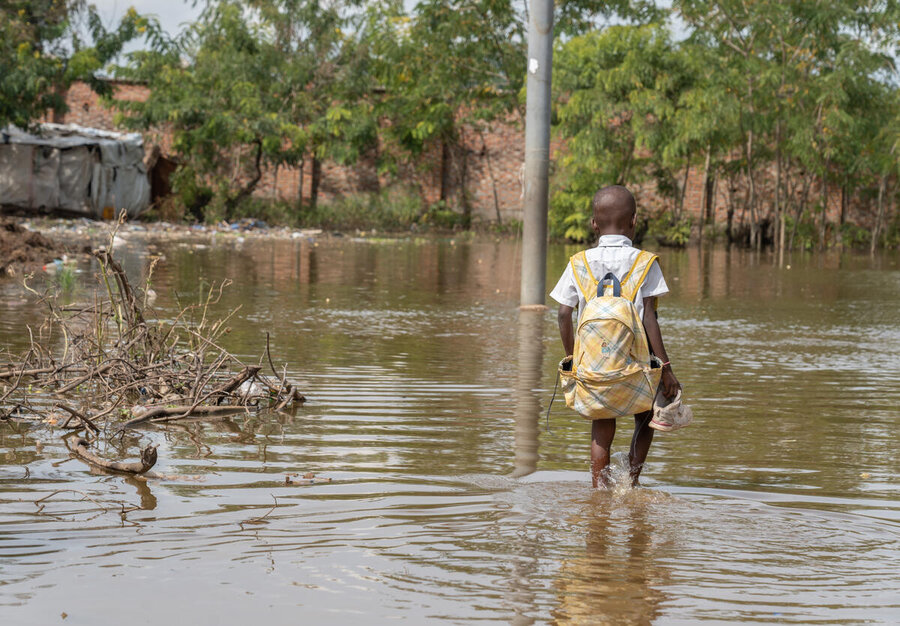
That time should matter, because Kenya knows precisely what heavy rains can do. Floods have repeatedly displaced families, damaged roads and bridges, disrupted businesses, destroyed property and placed enormous strain on emergency services. The country has witnessed the human and economic cost of poor preparation often enough to understand that extreme weather is not simply a meteorological problem. It becomes a national crisis when warnings are ignored, infrastructure is neglected and preparedness begins only after the first damage has already been done.
The question, therefore, is not whether it will rain. The question is whether Kenya will be ready when it does.
For years, the country’s relationship with disasters has followed an uncomfortable and familiar pattern. Authorities issue warnings. Experts explain the risks. Citizens are advised to take precautions. Then the rains arrive, roads become impassable, rivers burst their banks and vulnerable communities begin searching desperately for safety. Emergency teams are mobilised, relief supplies are distributed and political leaders tour affected areas. Only then does the country rediscover the urgency of preparation — urgency that arrived, as it always does, too late to prevent the suffering it was meant to address.
Kenya should be capable of doing considerably better than this.
An early warning is valuable precisely because it arrives before the emergency. It gives authorities time to inspect bridges, clear drainage systems, identify flood-prone settlements, prepare evacuation centres, check hospitals and emergency equipment, protect critical infrastructure and communicate clearly with communities. It gives county governments time to coordinate with their national counterparts. It gives communities time to understand the risks facing them. Most importantly, it gives everyone a genuine opportunity to prevent avoidable suffering — the kind of suffering that is not inevitable but merely the consequence of choosing convenience over preparation.
The identification of 18 high-risk counties should therefore mean more than another government announcement filed and forgotten. It should become a practical checklist. If authorities already know where risks are concentrated, those areas should be among the first to receive the resources, personnel, equipment and contingency plans required to respond effectively. A warning should be visible not merely in official statements and press conferences, but on the ground — in cleared drains, inspected bridges, stocked emergency centres and communities that have been properly informed.
This matters particularly in Kenya’s towns and cities. Every heavy rainy season exposes weaknesses that remain hidden during dry weather. Blocked drainage channels become torrents. Roads become rivers. Businesses close. Commuters are stranded for hours. Homes in low-lying areas become unsafe. In many places, natural waterways have been encroached upon while storm-water infrastructure has failed to keep pace with rapid and often poorly planned urban growth. Flooding, in these cases, is not simply a story about too much rain. It is a story about too little planning — and too little accountability for the consequences of that planning failure.
Nairobi provides the most obvious example, but the problem extends far beyond the capital. Kenya’s growing towns are expanding rapidly, often faster than drainage systems, roads and environmental protections can accommodate. When the rain comes, the weaknesses in years of planning become suddenly and painfully visible. A city should not need a flood to discover that its drainage is inadequate. A bridge should not have to collapse before authorities remember that infrastructure requires regular inspection and maintenance.
Yet preparedness cannot rest entirely with government. Citizens also carry responsibility — to heed credible warnings, avoid dangerous river crossings, protect important documents and property where possible, and follow evacuation guidance when it is issued. Communities can identify vulnerable neighbours and share reliable information in the critical period before conditions worsen.
But responsibility must be matched with realistic expectations. A family living in a flood-prone settlement cannot simply be told to relocate when it has nowhere else to go. A farmer cannot respond meaningfully to changing weather conditions without timely, practical and understandable information. A small trader whose livelihood depends on a road that floods every rainy season cannot solve a public infrastructure problem with personal savings. That is why disaster preparedness must be treated as a development issue — not merely an emergency-response exercise conducted in the aftermath of loss.
For farmers, unusual rainfall can be both opportunity and threat. More water can improve agricultural production, but excessive rainfall damages crops, erodes soil, disrupts transport and affects livestock. Farmers need timely weather information, practical agricultural advice and access to services that allow informed decisions before conditions deteriorate. Agricultural preparedness must begin in the field, not at the relief distribution centre.
Infrastructure demands the same foresight. Bridges and roads in vulnerable areas should be inspected before the rains intensify, not after a vehicle falls through a weakened structure. Drainage systems should be cleared before they are overwhelmed. Schools and health facilities in flood-prone areas should have tested contingency plans, not improvised responses. Emergency teams should know where they will be needed before the calls start coming in.
There is very little wisdom in waiting for a bridge to fail before inspecting it.
This is where accountability becomes unavoidable. Once authorities have received a credible warning, preparation becomes more than a technical exercise. It becomes a test of leadership — transparent, measurable and ultimately judged by outcomes rather than announcements. If authorities know which areas are vulnerable, what is specifically being done about them? If drainage systems need clearing, have they been cleared? If communities are likely to be affected, have they been reached? If evacuation centres are required, are they ready and supplied? If roads and bridges are at risk, have engineers physically inspected them?
These questions should be asked now, while there remains time to act on the answers, rather than later when the country is counting its losses and assigning blame.
Kenya must also reconsider how it thinks about the cost of disaster management. There is often far greater political visibility in responding to a disaster than in preventing one. Relief trucks, emergency announcements and reconstruction projects are highly visible and photogenic. Clearing a drainage channel before the rains arrive is not. But prevention is rarely dramatic, and that does not make it less essential or less valuable.
Every shilling spent preventing avoidable damage can potentially save many more in emergency response and reconstruction costs. More importantly, prevention protects something no reconstruction budget can fully restore: lives, livelihoods and the quiet sense of security within communities that takes years to rebuild once it has been shattered.
The coming rains present Kenya with a test that goes well beyond weather forecasting. The warning already exists. The vulnerable counties have been identified. The historical consequences of inadequate preparation are well documented and painfully familiar. What remains to be seen is whether the warning will translate into genuine, verifiable action — or whether it will simply become the opening paragraph of yet another post-disaster report.
El Niño should not become another national conversation that begins with forecasts and ends with condolences.
The rain is beyond Kenya’s control. The consequences, however, are not entirely beyond it. The country cannot command the clouds to change course, but it can clear its drains, inspect its bridges, strengthen its early-warning systems, protect its most vulnerable communities, coordinate national and county governments, and prepare its hospitals, schools, roads and emergency teams while the sun is still shining.
The real measure of Kenya’s preparedness will not be how quickly the country responds after the first flood. It will be how much damage it manages to prevent before that first flood occurs.
The greatest lesson from every past disaster should not simply be that the rain was too heavy. It should be that warnings existed, risks were clearly known, and that the decisions made — or avoided — in the days and weeks before the crisis ultimately determined how many people suffered and how much was lost.
This time, Kenya has something precious on its side. It has time.
It should not waste it.
Similar Posts by The Mt Kenya Times:
- Mt Kenya Times ePAPER August 11, 2026
- Mobius: The Kenyan car that refused to die
- Heroes Day: A nation remembers, but our hearts are heavy
- Are we pricing students out of education?
- The life we admire today may be the harvest of yesterday’s sacrifices
About the Author

 Brenda Holo