We need a student leadership policy for Environmental protection in Uganda
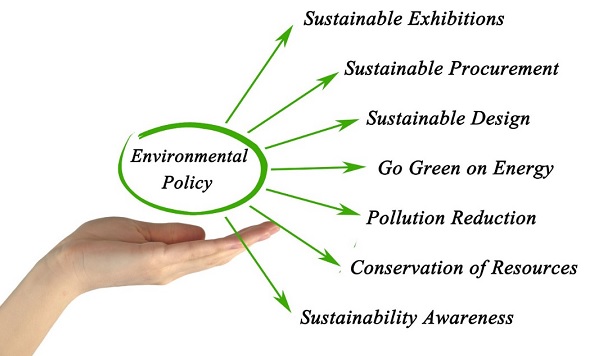
Environmental protection policy

By: Aryampa Brighton
Worth Noting:
- Over 70% of Uganda’s protected areas, per Uganda’s 2010 Environmental Sensitivity Atlas, 12 wildlife reserves, 13 wildlife sanctuaries and five wildlife community areas in Uganda, 39% of Africa’s mammal species, 52% of Africa’s bird species and 19% of Africa’s amphibian species and also 79 threatened vertebrae species, according to the International Union for Conservation of Nature (IUCN) are being threatened by the longest heated East African Crude Oil Pipeline (EACOP) and oil developments in Uganda.
- Worse still, there is a world crisis of Climate change widely regarded as one of the most serious challenges the world faces with consequences that post greater effects on the environment.
Without doubt, the environment remains a key pillar to development not only to Uganda but the entire world. It provides the very foundation of sustainable development, our health, food security and our economies. Ecosystems provide clean water supply, clean air and secure food and ultimately both physical and mental wellbeing.
Natural resources also provide livelihoods, jobs and revenues to governments that can be used for education, health care, development and sustainable business models. To achieve seventeen sustainable development goals (SDGs) adopted in 2015, we need to recognize the role of environment not just in Uganda but also internationally. In Uganda, we cannot survive without Agriculture because it feeds the nation and has been shaping our GDP year after year.
But yet Environmental crime is vastly expanding and increasingly endangering not only wildlife populations but entire ecosystems, sustainable livelihoods and revenue streams to governments. As Uganda, we are losing bush elephants, forest gorrillas, vast bird species in Bugoma forest because of growing sugarcane investment by Hoima Sugar limited.
Over 70% of Uganda’s protected areas, per Uganda’s 2010 Environmental Sensitivity Atlas, 12 wildlife reserves, 13 wildlife sanctuaries and five wildlife community areas in Uganda, 39% of Africa’s mammal species, 52% of Africa’s bird species and 19% of Africa’s amphibian species and also 79 threatened vertebrae species, according to the International Union for Conservation of Nature (IUCN) are being threatened by the longest heated East African Crude Oil Pipeline (EACOP) and oil developments in Uganda.
Worse still, there is a world crisis of Climate change widely regarded as one of the most serious challenges the world faces with consequences that post greater effects on the environment. Since the environment is not restricted to boundaries of different countries, it might as well mean that no country or individual will escape the effects of such climate catastrophe.
As environmental concerns escalate around the globe, people are taking actions like never before. The feeling in Uganda is different, we are on vibe and having trends on social media and not paying attention.
Not just Uganda, it is widely acknowledged that environmental problems are the problems of complexity. In this era of complex and evident environmental and social problems, such as climate change, the necessity for environmental student leadership in Uganda, Africa and world at large is key higher than ever.
Young people are one of the most promising sectors of the society. They can be promoters of change, young as they are because of their natural dynamism and will power, they can bring fresh perspective, energy, drive and a sense of what is possible. Youth in the academe, being educated and informed have greater opportunity to be involved and take part in addressing environmental concerns. Youth of today have lived all their lives in an era in which environmental issues have loomed large, now is the time to make a contribution.
There I appeal to our governments, development partners, embassies, international community and nature lovers to support in-person training of young environmental leaders and groups, intellectual capacity for green initiatives, strong ability to mobilize youth working as a group, present student/youth organizations with opportunities for collaboration and building networks and most importantly, involving student leaders to contribute their unique knowledge and perspectives that can make reform efforts more successful.
Great thanks to 10 billion strong. a Global Sustainability Movement focused on environmental sustainability which is currently nurturing Environmental leaders in Africa to create solutions to environmental challenges through inspiring, training, and supporting the next generation of global environmental sustainability leaders.
Currently it has an East Africa Trainer Institute in Nairobi training environmental leaders from Kenya, Malawi, Tanzania and Uganda. to learn about 10 billion Strong’s Green Leaders Academy and make specific plans to use this training methodology and curriculum to train other trainers and youth in their communities. Participants have the opportunity to share knowledge and resources amongst peers from the region, see the training in action, and collaborate with 10 Billion Strong staff and peer trainers on strategic planning
Environmental education and protection advocacy must include students and youth as visionaries and creative thinkers because by doing so, new possibilities and options may be found. Students are change agents and are part of sustainable development efforts and solutions to resolving critical environment issues for generations.
Aryampa Brighton.
aryampa.brighton@gmail.com /baryampa@ygcug.org
The writer is a lawyer and Chief Executive Officer of Youth for Green Communities (YGC)
Similar Posts by The Mt Kenya Times:
- Mt Kenya Times ePAPER September 7, 2026
- Lesuuda crosses the floor — and takes Samburu with her
- The Rift Valley is not Ruto’s anymore — and DCP is making sure everyone knows it
- Kalonzo and Muturi march into Gachagua country
- Faith and politics travel together for Gachagua in Washington State
About the Author