Kenya’s missing link in the war against corruption: Why government must invest in grassroots social audits
 The Mt Kenya Times

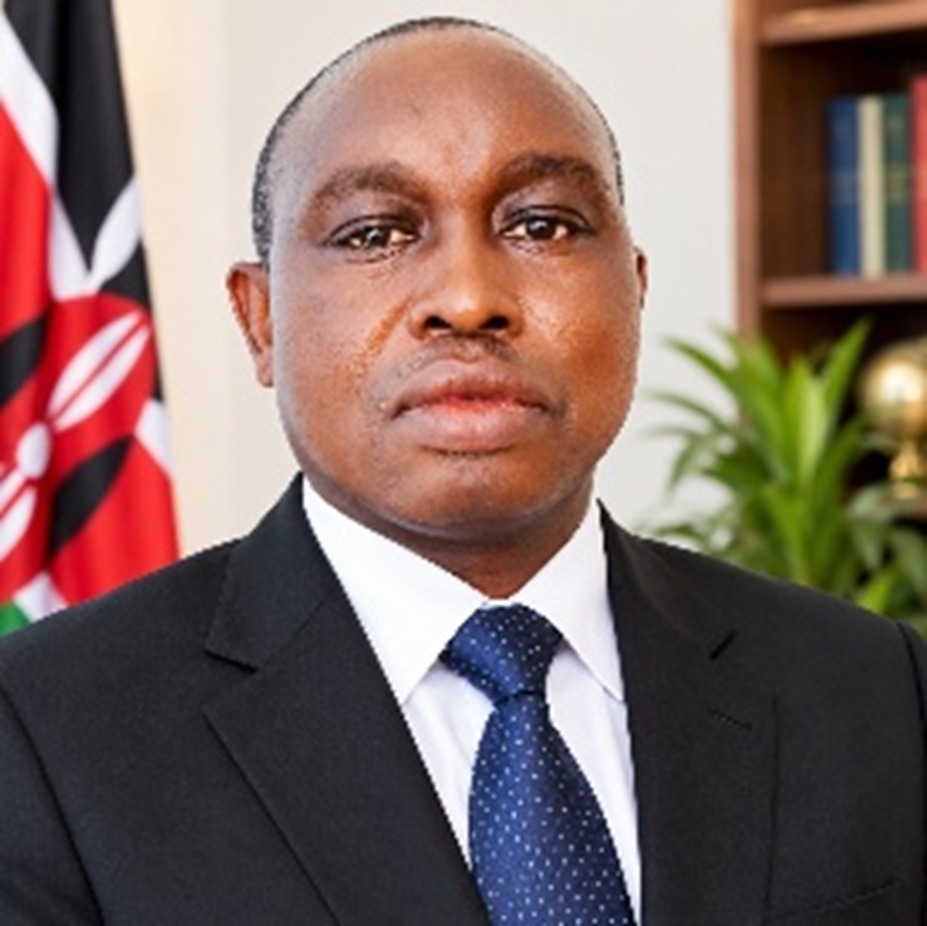
By Mr. Fredrick Kipchumba Chelimo – PWD
Email; fkipchelimo@yahoo.com
“The true measure of accountability is not how many institutions a country establishes, but how effectively its citizens can ensure that public resources serve the public good.”- Fredrick Chelimo
Kenya’s war against corruption has reached a defining moment. Despite an elaborate constitutional framework, a network of oversight institutions and successive government commitments to integrity, the country continues to grapple with allegations of public resource mismanagement, questionable procurement, stalled development projects and public services that fall short of citizens’ expectations. The challenge is no longer simply whether Kenya has sufficient laws and institutions to fight corruption, but whether these mechanisms can detect wrongdoing early enough, prevent avoidable losses and compel meaningful accountability where public money is actually spent. It is within this context that social accountability, particularly through structured community social audits, presents a timely and potentially transformative opportunity.
According to the World Bank’s 2004 work on social accountability, citizens possess important mechanisms for holding the state accountable beyond the ballot box. Elections remain indispensable to democracy, but they cannot provide continuous oversight of public expenditure or guarantee that elected leaders and appointed officials fulfil their responsibilities. Citizens may vote for development, yet subsequently discover that promised roads remain impassable, health facilities lack essential services, water projects are dysfunctional or publicly funded empowerment programmes have failed to reach their intended beneficiaries. Social accountability bridges this gap by empowering citizens to participate continuously in monitoring government decisions, expenditure and service delivery.
Social audits provide a particularly practical expression of this principle. They enable communities to examine public records, compare approved budgets with actual expenditure, inspect completed and ongoing projects, consult beneficiaries and demand explanations from responsible authorities. Their purpose extends beyond identifying financial irregularities to establishing whether public institutions are complying with the law and whether public expenditure is producing the intended social and economic benefits. A building may exist on paper, for example, but remain incomplete or unusable in reality. A project may also appear successful while excluding the vulnerable people it was intended to serve. Effective social auditing examines both administrative compliance and the actual experiences of citizens.
Kenya already possesses a strong constitutional foundation for this approach. Articles 10, 35, 37, 201 and 232 of the Constitution establish important principles relating to public participation, access to information, transparency, accountability and responsible public administration. The challenge is to translate these principles from legal provisions into practical experiences that ordinary citizens can exercise without intimidation, excessive bureaucracy or dependence on political patronage.
The National Anti-Corruption Campaign Steering Committee (NACCSC), through its public education mandate and County Anti-Corruption Civilian Oversight Committees (CACCOCs), offers an important platform for advancing this grassroots accountability agenda. The emerging social audit programme should not be mistaken for an attempt to establish another anti-corruption agency or usurp the responsibilities of existing institutions. Rather, it offers an opportunity to strengthen the connection between communities, public projects and the legally mandated bodies responsible for investigation, audit, administrative justice and prosecution.
Its greatest contribution may be to address the distance between formal oversight and the everyday realities of citizens. National institutions cannot independently observe every procurement, construction site, dispensary, agricultural programme or county development project. Communities, however, are often best placed to notice when a project has stalled, when delivered materials appear inconsistent with specifications or when promised services are unavailable. Properly trained social auditors can document these concerns, verify available evidence and refer substantiated findings to the appropriate authorities. This creates an additional layer of vigilance without diminishing the independence or statutory powers of established institutions.
The benefits extend beyond detecting corruption. Regular community monitoring can discourage misconduct by increasing the likelihood that irregularities will be noticed and questioned. Early identification of implementation failures can enable corrective action before losses escalate. Public officials who perform their duties diligently can demonstrate their achievements through transparent evidence, while contractors can be held to account for the quality and completeness of their work. Government consequently gains an opportunity to improve value for money, strengthen project effectiveness and rebuild public confidence through demonstrable results rather than declarations of commitment.
Social audits can also deepen inclusion. Women, young people, persons with disabilities and economically marginalised communities frequently experience the consequences of inadequate public services while remaining underrepresented in decision-making processes. Their participation can expose barriers that conventional financial audits may not capture, including inaccessible infrastructure, exclusion from empowerment programmes and services that fail to respond to local needs. Accountability becomes more meaningful when communities can influence priorities, monitor implementation and verify whether the promised benefits reach the intended beneficiaries.
For these benefits to materialise, government must move beyond occasional training sessions and invest in a structured, adequately resourced national programme. CACCOCs require practical training, standardised audit tools, access to public information, reasonable facilitation, technical support and clear referral procedures. Implementation should expand progressively across counties and sectors, supported by digital systems that track findings, referrals, official responses and corrective action. Independent evaluation must distinguish allegations from verified irregularities and actual recoveries, ensuring that achievements are credible and measurable.
The economic argument is equally compelling. Preventing waste, identifying defective projects early and improving service delivery may protect resources that would otherwise require additional expenditure to replace or repair. Government should therefore evaluate social audits as a potential investment in expenditure protection and institutional efficiency, measuring programme costs against independently verified savings, improved services and other demonstrable outcomes. Funding should be linked to clear performance indicators, while safeguards protect auditors from intimidation, political manipulation and conflicts of interest.
Ultimately, social audits cannot eliminate corruption independently, nor can citizen participation substitute for enforcement. Their effectiveness depends on credible evidence, responsive institutions and the political will to act on findings. A report that attracts attention but produces no institutional response will quickly undermine public confidence. NACCSC and its partners must therefore prioritise follow-up, transparent reporting and practical cooperation with the relevant oversight bodies.
Kenya’s anti-corruption strategy must bring accountability closer to the people whose taxes finance public development and whose lives are affected by its outcomes. Investing progressively and decisively in grassroots social auditing would strengthen existing institutions, improve public participation and help transform citizens from passive recipients of government promises into informed partners in protecting public resources.
Public money belongs to the people, and its protection must begin where it is spent. The ultimate success of this programme will not be measured by the number of workshops conducted or reports produced, but by the resources safeguarded, projects improved, services delivered and citizens empowered to demand accountability without begging for what the Constitution already guarantees. Kenya should invest in this opportunity now, because a government that enables its citizens to protect the public interest strengthens not only its fight against corruption, but also the legitimacy of democracy itself.
Similar Posts by The Mt Kenya Times:
- CAS to rule on Senegal’s AFCON title fight by end of November
- Let students reward their teachers with excellence, not expensive gifts
- The emperor’s new markets: How cartels in fertilizer, cement and steel still rule the regional kingdoms of SADC, COMESA and the EAC
- Kenya’s weekly political weather: Mashujaa Day, Ruto’s re-election message and the storms gathering beyond Eldoret
- My mother tongue: My identity, national pride, and future
About the Author