US approves $2.1 billion Patriot missile sale to Ukraine, but Zelenskyy warns delivery could take years
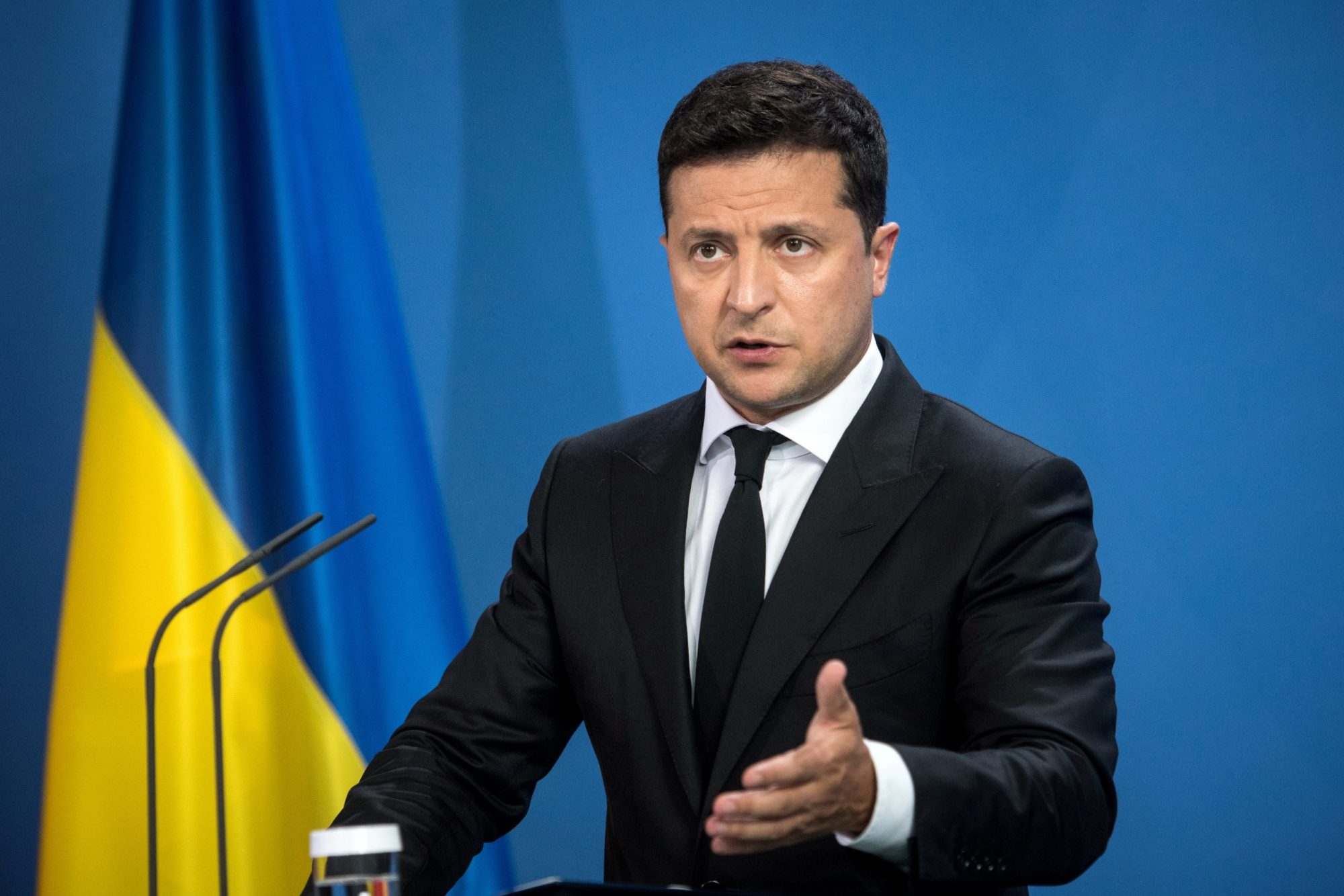
Ukrainian President Volodymyr Zelenskyy
Washington has greenlit the largest single missile sale to Kyiv since the war began, yet Ukraine’s president says his country needs the weapons now — not in years
By Jakes Mudane
Ukraine’s air defence crisis took centre stage on Friday when the United States State Department approved the sale of 500 Patriot missile defence systems to Kyiv at a total cost of $2.1 billion — a significant commitment on paper, but one that Ukrainian President Volodymyr Zelenskyy immediately tempered with a stark warning: the munitions could take years to actually arrive, and Ukraine’s cities are under fire today.
The State Department confirmed the approval in a formal statement, emphasising that no American taxpayer funds are involved in the transaction. The purchase will instead be financed through donations from Canada and European allies, including Germany and Norway. Principal contractor Lockheed Martin will manufacture the systems, and Washington said the deal would have “no adverse impact” on US defence readiness. The department framed the sale in strategic terms, stating it would “support the foreign policy and national security objectives of the United States by improving the security of a partner country that is a force for political and economic stability in Europe.”
Zelenskyy welcomed the decision and publicly thanked President Donald Trump for the approval. But within hours of the announcement, the Ukrainian president made clear that gratitude alone could not bridge the gap between a signed agreement and missiles in the sky over Ukrainian cities. Speaking on Friday evening, he issued a direct appeal to Washington and its European partners. “We are asking our American partners to find a solution for the time when there is a real danger,” he said. “We are asking for decisions that can guarantee the protection of lives not the day after tomorrow or sometime later, but at the very moment the threat is there.”
The urgency behind those words is not abstract. In a post on X, Zelenskyy disclosed that Russia had struck Ukraine’s energy infrastructure more than 30 times in the preceding two weeks alone, targeting what he described as “the systems that sustain life in our cities and communities.” With winter approaching and power grids already strained by years of sustained bombardment, the timing of any missile delivery is not a bureaucratic footnote — it is a matter of survival for millions of Ukrainian civilians.
Zelenskyy’s proposed solution was as practical as it was pointed: he called on the United States and European allies to transfer Patriot systems from their own existing stockpiles to Ukraine immediately, and then use the 500 newly purchased missiles to replenish those inventories over the coming years. It is an argument Ukraine has made before, and one that cuts to the heart of a tension that has run through Western military support since the early months of the war — the gap between what allies agree to provide and when that support actually reaches the front.
Ukraine has for months been sounding the alarm over dwindling Patriot supplies. The system, designed to intercept ballistic missiles, cruise missiles and aircraft, has become one of Kyiv’s most critical defensive assets against Russia’s aerial campaign. Ukrainian officials have previously accused Washington of slowing deliveries of the missiles at moments of acute need, a charge that has added friction to an alliance already navigating complex domestic politics on both sides of the Atlantic.
Friday’s announcement arrives against a backdrop of visible strain between Zelenskyy and Trump. The US president has faced criticism in recent days for waiving new sanctions on Russia just days before they were expected to take effect — a decision that drew sharp reactions from Ukrainian officials and European governments alike, and which raised fresh questions about the consistency of American pressure on Moscow.
The Patriot sale is the largest single missile agreement between Washington and Kyiv since the war began, and it carries undeniable symbolic weight. But symbols do not intercept Russian missiles. As Zelenskyy made plain on Friday, Ukraine is not short of future commitments — it is short of present protection. The $2.1 billion deal may eventually strengthen Ukraine’s defences in ways that matter. For now, the president of a country absorbing dozens of strikes a fortnight is asking his allies a simple and uncomfortably direct question: where are the weapons we need tonight?
Similar Posts by The Mt Kenya Times:
- Diaspora Times Global Oct 31 – Nov 6, 2026
- French protests spread nationwide as tear gas and Halloween costumes fill the streets
- Netanyahu loses his majority: Israel’s election throws the Middle East into fresh uncertainty
- Mandela’s most magnanimous act: Inviting the man who sent him to prison to lunch
- Ghost students, real money: How Kenyan nationals became entangled in America’s $130 million student aid fraud investigation
About the Author