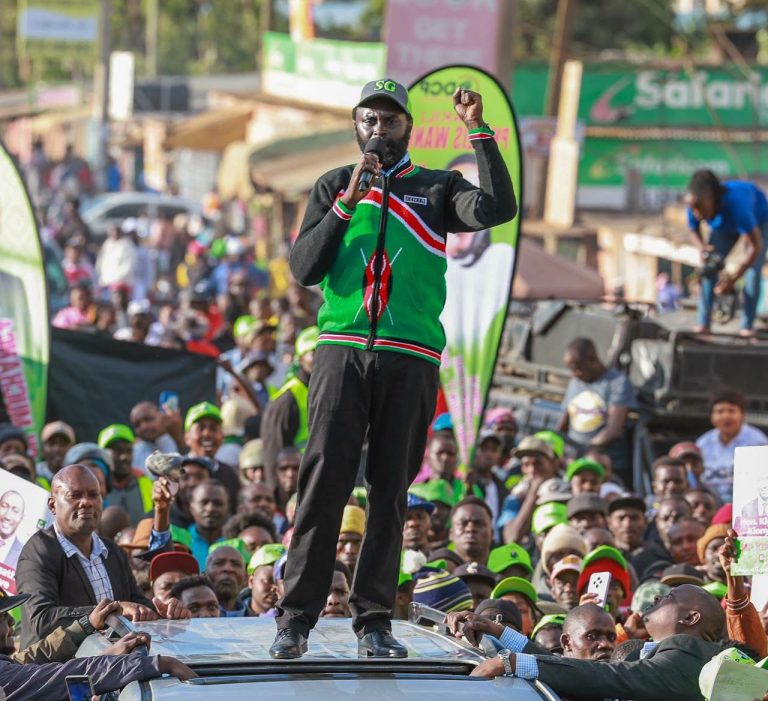
A ‘Little Dictatorship’? Oburu Odinga’s remarks and the betrayal of a democratic legacy

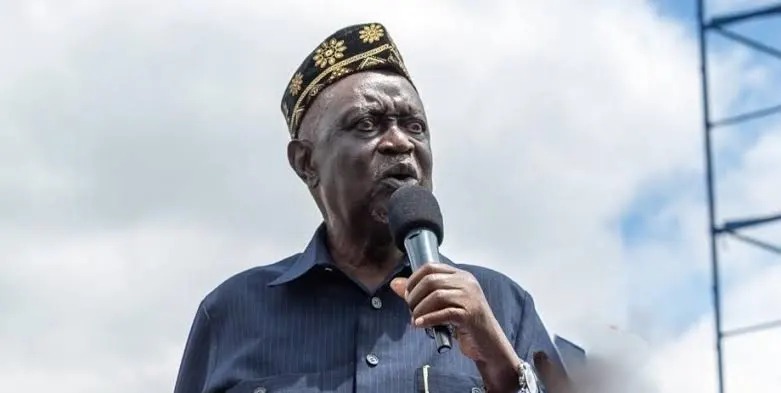
Oburu Odinga

By Simiyu S Stanford
The reported remarks by Oburu Odinga urging President William Ruto to “embrace a little dictatorship” have triggered one of the most thought-provoking political debates in recent months. Whether the statement was made in jest, frustration, or conviction, its implications cannot be dismissed lightly. For many Kenyans, it sounded like an endorsement of a philosophy that generations of democracy advocates spent decades resisting.
What makes the remarks particularly striking is not merely what was said, but who said it.
The Odinga name occupies a unique place in Kenya’s political history. For decades, Raila Odinga became the face of resistance against authoritarianism, electoral injustice, and the abuse of state power. His political career inspired millions who believed that democracy flourishes only when citizens are free to criticize those in authority without intimidation or fear.
One did not have to support Raila politically to acknowledge that his name became synonymous with the struggle for constitutionalism, political freedoms, and accountable governance. From the fight for multiparty democracy to the campaign for constitutional reforms, the Odinga political tradition came to symbolize resistance against dictatorship.
It is against this historical background that Oburu Odinga’s reported call for “a little dictatorship” has unsettled many Kenyans.
Can there really be such a thing as “a little dictatorship”?
History answers that question with remarkable consistency.
Authoritarianism rarely arrives wearing military boots. It often begins with seemingly harmless suggestions that democracy should occasionally make room for strong-handed rule. It starts when leaders become impatient with criticism, when dissent is portrayed as sabotage, and when constitutional freedoms are treated as inconveniences rather than guarantees.
The framers of Kenya’s Constitution understood this danger. That is why they entrenched freedom of expression, peaceful assembly, association, and political participation as fundamental rights. These freedoms exist not to protect governments but to protect citizens from governments.
Every administration, regardless of political persuasion, benefits from praise. Democracy, however, is measured by how governments respond to criticism.
That is why the reported remarks have generated discomfort even among those who have historically admired the Odinga political tradition. They appear, at least on the surface, to contradict the democratic principles many ODM supporters defended for years.
Political loyalty should never supersede constitutional principle.
Today’s opposition may become tomorrow’s government, just as today’s government may eventually find itself in opposition. The rights we defend when our allies are out of power are the same rights that protect us when our opponents govern.
Perhaps the greatest consequence of Oburu Odinga’s reported remarks is not the controversy they have generated but the difficult questions they leave hanging over Kenya’s political landscape.
Has the generation that fought authoritarianism begun to normalize it?
Can leaders who once demanded democratic space now urge the government to embrace “a little dictatorship”?
Has political expediency overtaken political principle?
Beyond the familiar political slogans, what lasting contribution does Oburu Odinga himself wish history to remember? Leadership is not measured by proximity to power or longevity in politics. It is measured by ideas, public service, institution-building, and the courage to defend constitutional values even when doing so is politically inconvenient.
The debate is therefore larger than Oburu Odinga.
It is about Kenya.
It is about whether constitutional freedoms remain sacred regardless of who occupies State House.
It is about whether our democracy is strong enough to reject authoritarian language even when it comes from respected political veterans.
History has little patience for leaders who compromise principles for political convenience. It remembers those who expanded freedom, strengthened institutions, and defended the rights of ordinary citizens.
As Kenyans reflect on these remarks, one question remains impossible to ignore: Should democracy be defended only when one is in the opposition, or is it a principle that must remain constant regardless of who holds power?
The answer to that question will define not only Oburu Odinga’s place in public memory but also the character of Kenya’s democracy for generations to come.
About the author
Simiyu S Stanford is a PhD Student in Literature, Masinde Muliro University of Science and Technology; a Part-time Lecturer, Kaimosi Friends University; Political Analyst; Prolific Author of The Ring of the Moon, Robai Nabisino Makokha, and Of Walls Unbroken and Other Stories.
Similar Posts by The Mt Kenya Times:
- Kroos eyes the dugout as new career plans take shape
- Sancho searches for a way back
- Kenya’s anti-corruption war is losing ground where it matters most: Fund the citizens who can protect public money
- When justice fails: Men who faced unjust trials but won history
- Keeping your pet healthy: What every owner needs to know
About the Author