Siasa Place Executive Director Nerima Wako and other representatives addressing the media
By Cynthia Masibo and Aoma Keziah,
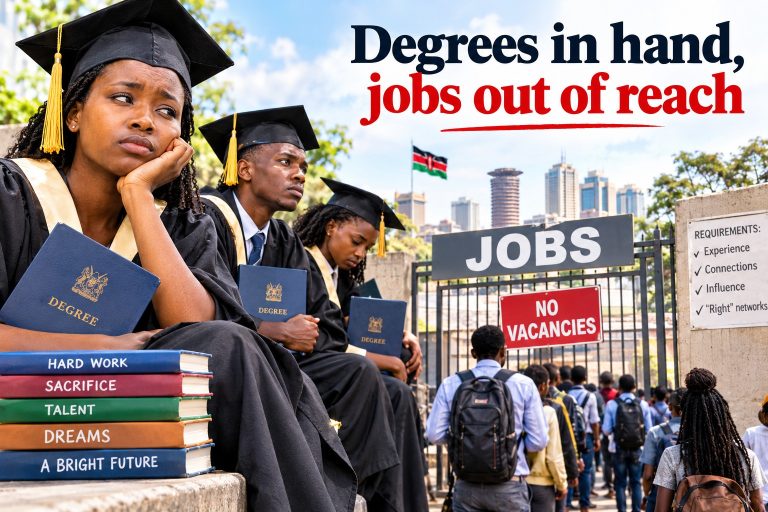
Kenyan workers find themselves entrenched in a challenging reality characterized by mundane job roles and inadequate compensation, a sharp contrast to their counterparts in other jurisdictions. The disparity in working conditions has come under scrutiny in a recent report by the non-profit advocacy organization Siasa Place, titled ‘Unemployment and Digital Jobs Youth Perspectives.’ This report sheds light on the evolving nature of work and the systemic challenges faced by the youth in Kenya’s labor market.
The findings of the report paint a stark picture of the labor landscape, revealing a concerning trend of exploitation and disenfranchisement among the workforce. Many Kenyan workers are relegated to low-paying, unfulfilling jobs, perpetuating a cycle of poverty and economic vulnerability. This situation is exacerbated by outdated labor laws that fail to adequately protect the rights and interests of workers.
Siasa Place’s report serves as a wake-up call, prompting urgent action to address the gaps in Kenya’s labor legislation. The organization has pledged to collaborate with legislators to enact reforms that align with the changing dynamics of the modern workforce. By advocating for progressive policies and regulatory frameworks, Siasa Place aims to empower workers and promote a fair and inclusive labor environment.
At the heart of this advocacy is a commitment to combating exploitation and fostering economic justice. Kenya’s labor laws must be updated to reflect the realities of the digital age, where traditional employment models are being disrupted by technological advancements and globalization. The rise of the gig economy, in particular, has brought to light new challenges related to job security, wage protection, and workplace rights.
One of the key areas of focus for reform is the protection of vulnerable workers, including the youth who are disproportionately affected by precarious employment conditions. By strengthening legal safeguards and enforcement mechanisms, policymakers can create a more level playing field for all workers, regardless of age or background. This includes measures to address issues such as contract labor, informal employment, and discrimination in the workplace.
Additionally, there is a growing recognition of the need to promote digital literacy and skills development to equip workers with the tools they need to thrive in an increasingly technology-driven economy. This includes investing in education and training programs that prepare individuals for the jobs of the future and ensure that they have the knowledge and skills to compete in the global marketplace.
In light of these findings, Siasa place, proposes several recommendations, including the recognition of digital work as employment, prioritizing quality over quantity of jobs, and providing comprehensive training and support for youth interested in digital careers.
Collaboration across sectors is emphasized to advance decent work for Kenya’s youth, along with the development and enforcement of new policy and regulatory frameworks.
Finally, the organization pledges to engage with stakeholders, including youth and government ministries, to pursue the realization of these recommendations. They also affirm the validity of medical interns’ and the medical fraternity’s demands for decent and dignified work.
As discussions between stakeholders and policymakers unfold, it is imperative that the voices of workers are heard and their concerns taken into account. Meaningful labor reforms cannot be achieved in isolation but require a collaborative effort involving government, civil society, and the private sector. By working together, we can create a more equitable and sustainable future for all Kenyan workers.
Similar Posts by Aoma Keziah:
- Nationwide Youth Business Drive Enters Last Lap With New Nyota Trainings
- Green Light From Washington Sets G42 On Fast Track to Build Region’s Most Powerful AI Network
- Safina Eyes Kariobangi North Seat in Intensified Push Before Poll Day
- KEBS Opens Talks With Manufacturers On New Standards Levy Order 2025
- Kenya, Uganda And South Sudan Chart Way Forward On East Africa Rail Corridor
About the Author


 The Mt Kenya Times