Africa at a crossroads: roads, trade, climate and hope define the continent’s moment
 The Mt Kenya Times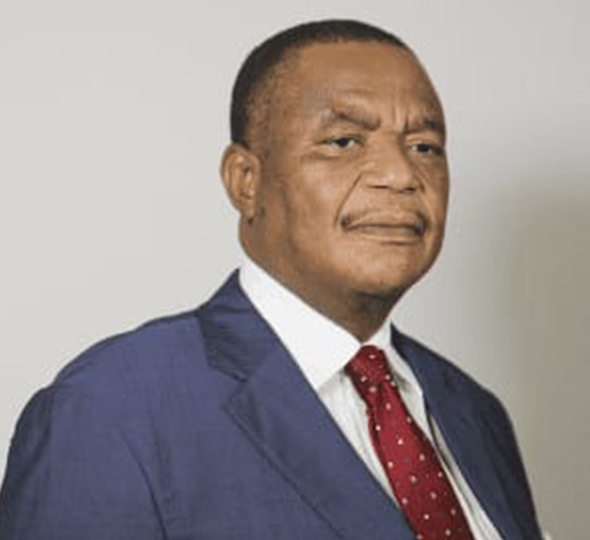
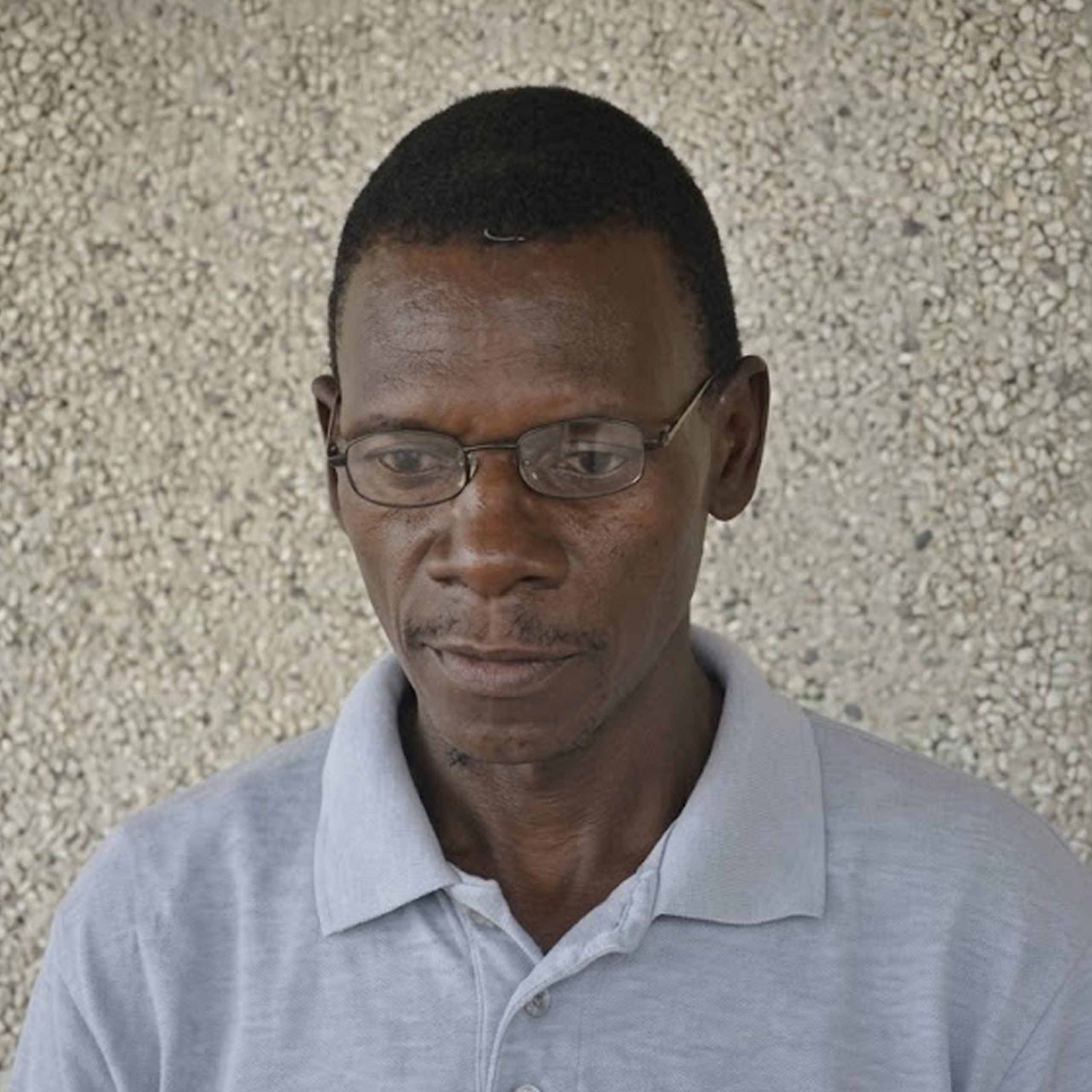
Zimbabwe Vice President Dr Constantino Chiwenga
From highway tragedies to diplomatic wins, Africa is navigating grief and ambition in the same breath this month
By Norman Mwale
“Nyika inovakwa nevene vayo. Africa’s future will be built by Africans themselves.” — Vice President Dr Constantino Chiwenga
Across Africa this month, the headlines have circled a single theme: movement. Movement of goods, of people, of energy, of ideas. From the highways of Southern Africa to the trade corridors of the West, from climate talks to diplomatic breakthroughs, the continent is holding crisis and opportunity in the same hand.
In Zimbabwe, grief has dominated the news cycle. On 16 April, a commuter omnibus caught fire and exploded along the Bulawayo–Beitbridge Highway, killing at least 18 people. The Zimbabwe Republic Police said the tragedy occurred between Chipangali and the Gwanda tollgate, on one of the region’s busiest trade routes to South Africa. President Emmerson Mnangagwa declared a state of disaster in response. The Zimbabwe Republic Police has since warned motorists against stopping on busy highways, but citizens are asking for more: better enforcement, safer vehicles, and real investment in infrastructure.
The pain on the roads has been matched by pressure on power. On 6 July, a fault on the Warren–Alaska 330kV transmission line triggered a nationwide blackout, plunging the country into darkness for several hours before supplies were restored with help from South Africa’s Eskom and Zimbabwe’s own hydro and thermal stations. The outage exposed, once again, how thin the margin is between Zimbabwe’s ageing grid and the demand placed on it. Government policy has for some time been pushing heavy industry and mining toward developing their own power supply, a shift that reflects a wider African story: state utilities struggling to keep pace, and responsibility migrating toward the private sector.
Yet there is also ambition. The 66th Zimbabwe International Trade Fair, held in Bulawayo under the theme “Connected Economies, Competitive Industries,” drew strong participation from local and international exhibitors, with organisers reporting exhibition space nearly fully booked ahead of the show. In the energy sector, Australian firm Invictus Energy says it has invested about US$100 million since 2022 exploring the Cabora Bassa Basin, raising hopes of domestic gas production following its Mukuyu discovery, ranked among the largest oil and gas finds in Sub-Saharan Africa in recent years.
Trade and currency questions remain central. Zimbabwe’s ZiG — Zimbabwe Gold — is the country’s sixth attempt at a national currency since the 2009 collapse of the Zimbabwe dollar. Officials insist it is backed by gold and foreign currency reserves and is necessary to stabilise prices. But on the ground, dual pricing between ZiG and the US dollar remains common, a sign that public trust is still being rebuilt. Across the continent, central banks are wrestling with the same dilemma: how to anchor confidence while managing inflation and debt.
Health is another front where progress is visible. In February, Zimbabwe became one of the first countries in the world to roll out lenacapavir, a twice-yearly injectable HIV prevention drug, targeting more than 46,000 high-risk individuals across 24 sites nationwide. Funded by the US government and the Global Fund, the rollout has been described by health officials as a turning point for prevention among groups such as sex workers, adolescent girls and young women. It comes as African health ministries increasingly push to reduce reliance on donor funding and build local capacity.
Diplomacy has also been moving. In June, Zimbabwe was elected unopposed to a non-permanent seat on the United Nations Security Council for the 2027–2028 term, securing 182 of 191 votes at the General Assembly — its third time serving on the Council since independence. Vice President Chiwenga has used recent public engagements to restate a philosophy gaining traction across the continent: that Zimbabwe’s development, and Africa’s, must be homegrown, inclusive, and driven by its own people.
That message resonated beyond Zimbabwe’s borders. In Cameroon, Pope Leo XIV used a visit to the conflict-scarred city of Bamenda to speak plainly about foreign exploitation, telling crowds that outsiders, in the name of profit, continue to lay their hands on the African continent to exploit and plunder it. He also urged Cameroon’s government to root out corruption. His words echoed a sentiment heard in boardrooms and village meetings alike: that Africa must negotiate better deals on its own minerals, energy and trade.
Not all of the news this month has been institutional. Everyday tragedies and everyday triumphs continued alongside the big policy debates — reminders that the continent is living, working and rebuilding even as its leaders argue over the shape of the future.
What emerges is a picture of Africa at a genuine crossroads. There is mourning and urgency on the roads. There is pressure and innovation in energy. There is investor interest in gas, trade and tourism. And there is a growing insistence, from officials and citizens alike, that the solutions must be African-led.
As Vice President Chiwenga’s words suggest, the future will not be imported. Whether that translates into safer highways, stable power, trusted currency and jobs for young people will determine how the next chapter is written. For now, the continent is choosing to move forward — with caution, with courage, and with the belief that its people remain its greatest resource.
Similar Posts by The Mt Kenya Times:
- Mt Kenya Times ePAPER October 10-11, 2026
- Cabinet clears path for pending bills payout in relief for Kenya’s struggling suppliers
- Karanja quits UDA and targets Nakuru governorship on Gachagua’s DCP ticket
- Gachagua’s team plants DCP flag in Kiambu as 2027 battle lines harden
- A moment of recognition for service in energy
About the Author