Kurbanova Nazokat Sobir

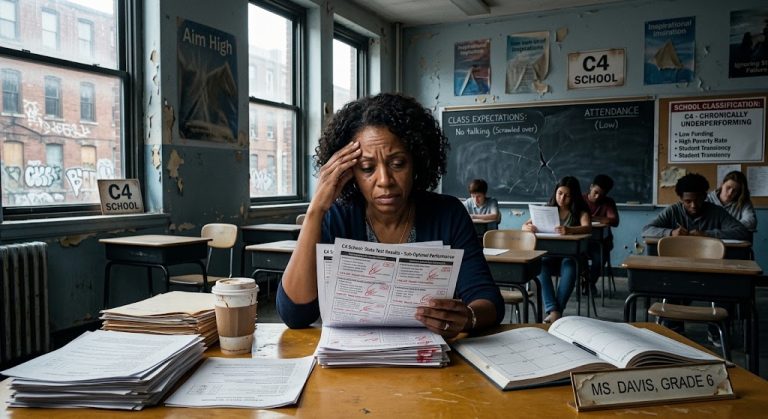
Assessing students’ knowledge and skills is a fundamental component of the educational process. Effective assessment provides insight into students’ comprehension, tracks their progress, and helps identify areas that require improvement. In recent years, educators have recognized that assessment should not only measure students’ academic achievements but also support their personal and intellectual growth. This article examines the importance of assessment, explores various assessment methods, and discusses how modern approaches can enhance students’ overall learning experience. My research discusses the process, significance, methods, and modern approaches to assessing students’ knowledge and skills. Assessment is a crucial stage of the educational process, as it helps determine students’ comprehension levels and supports the development of their knowledge and abilities. Traditional assessment methods, such as written and oral examinations, allow for direct evaluation but may not always accommodate the individual needs of each student. Therefore, modern education increasingly incorporates interactive and differentiated approaches to assessment. For instance, diagnostic assessment, formative assessment, self-assessment, and peer assessment enable students to gain a deeper understanding of their knowledge and skills and foster a more meaningful learning experience. In education, assessment not only serves to determine the level of student knowledge but also plays an essential role in motivating students, increasing their engagement, and building their confidence. Modern assessment methods, thus, provide teachers with effective tools for holistic student development. My work aims to broaden the scope of assessment in the learning process and to support the growth of students’ knowledge and skills. While modern assessment methods provide many advantages, they also come with challenges. Implementing diverse assessment strategies requires additional time and resources, and some teachers may need training to effectively use these methods. Additionally, ensuring fairness and objectivity can be challenging in assessments that involve subjective elements, such as self-assessment or project-based tasks. To address these challenges, educators should establish clear criteria and provide guidance to students on how to evaluate their performance and that of their peers.
Assessment is an essential aspect of the educational process, with a direct impact on students’ academic success and personal growth. By incorporating a variety of assessment methods—summative, formative, diagnostic, self-assessment, and peer assessment—educators can provide a more accurate picture of each student’s strengths and areas for improvement. Furthermore, modern approaches to assessment, including project-based learning, portfolios, and technology-enhanced tools, can make assessment more meaningful and relevant for today’s learners. In doing so, educators help students not only master the material but also develop the skills needed to succeed in a rapidly changing world.
By: Kurbanova Nazokat Sobir
Methodologist of the Jizzakh Regional Department of Preschool and School Education
Similar Posts by The Mt Kenya Times:
- Mt Kenya Times ePAPER September 28, 2026
- Kalonzo turns 40-year jibe into rule of law defence
- Roseline Njogu emerges as leading voice in Kenya’s diaspora and labour mobility agenda
- Ruto: Expansion of Mzima Springs water project to begin this year
- Linda Mwananchi settles on Sifuna as 2027 presidential flagbearer
About the Author