Beyond academic grades: Why parents stay in schools that build trust

How transparency, early intervention and celebrating every child drive parental loyalty far beyond exam results
By Ashford Kimani
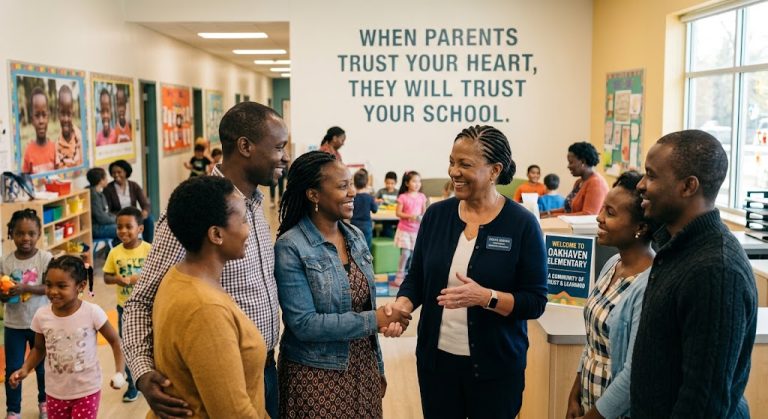
Many schools mistakenly believe parents choose and remain loyal to institutions purely because of examination results. While academic performance matters, parents today are looking well beyond grades. They want schools that communicate clearly, demonstrate purpose, identify problems early and genuinely value their children as individuals.
Parental loyalty is built when families feel emotionally connected to a school community. It grows when schools become transparent, intentional and proactive in their engagement with learners and parents alike. Among the strongest drivers of that loyalty are five interconnected principles: explaining the reasons behind school decisions, focusing on academic achievement, showing learner improvement, identifying struggling learners early and publicly celebrating students.
The first of these concerns how schools explain their decisions. One of the biggest frustrations parents experience is sudden policy changes made without explanation. Shifts in fee structures, academic programmes, discipline procedures or timetables can trigger resistance when communication is poor. Parents do not like feeling dictated to. They want to understand the thinking behind decisions that affect their children. Even when they disagree with a policy, they are far more likely to cooperate if the school explains its rationale openly and respectfully.
When a school introduces tighter gadget regulations, new reporting times, curriculum adjustments or changes in assessment structures, parents expect clarity. They want to know why the decision was necessary, what problem it seeks to solve and how it benefits learners. Schools that fail to explain themselves create room for rumour, suspicion and misinformation. In many institutions, parents piece together information from students or social media because official communication lacks depth. Good leadership understands that communication is not simply about issuing directives — it is about building understanding and trust. This becomes especially important during periods of transition or crisis. Schools that explain themselves clearly retain credibility and loyalty.
Academic results remain central to that trust. Regardless of how warm or welcoming a school may feel, parents ultimately expect educational value. They want assurance that their financial sacrifices are translating into meaningful outcomes and that the school takes teaching seriously, monitors performance and pursues excellence consistently. Modern parents, however, increasingly appreciate schools that nurture creativity, communication skills, leadership, innovation and critical thinking alongside grades. Strong schools create a culture of achievement where learners are encouraged to excel in academics, sports, arts, music, science and debate. At the same time, schools must avoid the trap of pursuing grades at the expense of learner wellbeing. Institutions that overemphasise rankings while neglecting emotional health eventually produce burnout, anxiety and dissatisfied families. Parents are drawn to schools that balance academic seriousness with humanity — producing children who are not only high-performing but also confident, disciplined and socially responsible.
Equally powerful is the ability to show parents how their child is improving over time. A learner may not be the top student in class, but visible progress reassures parents that the school is making a meaningful difference. Unfortunately, some institutions focus excessively on comparing learners against one another rather than tracking individual growth. This discourages both parents and students, particularly those who start from weaker academic foundations. A child who improves in reading fluency, confidence, discipline or participation deserves recognition even if they are not yet among the highest achievers. Schools that document growth effectively help parents appreciate the educational journey rather than obsessing over final grades alone. Regular feedback also enables parents to support learning at home, and showing improvement requires intentional assessment systems, quality record-keeping and teachers who genuinely know their learners individually.
Nothing frustrates parents more than discovering problems too late. Some schools ignore struggling learners until examination results expose serious weaknesses or only raise concerns after behaviour has significantly deteriorated. Strong schools identify warning signs early — whether academic, emotional, social or disciplinary — because early intervention makes a tremendous difference. Parents appreciate schools that approach such situations with empathy and professionalism rather than blame. When a learner struggles, schools should communicate clearly with parents, explain their observations, suggest interventions and provide realistic support plans, which may include remedial programmes, counselling, mentorship or differentiated instruction. Early intervention communicates care. It signals that the school is attentive and invested in every child, not only high performers.
Finally, recognition carries enormous emotional power. Parents love seeing their children appreciated and acknowledged, and celebrating students creates pride, motivation and a sense of belonging. Whether through assemblies, newsletters, prize-giving ceremonies, certificates or classroom recognition, appreciation strengthens the bond between families and schools. Crucially, celebration should not be limited to academic stars alone. Schools should recognise kindness, leadership, resilience, creativity, improvement, teamwork and service. When schools celebrate diverse strengths, more learners feel valued, and parents appreciate institutions that see the whole child rather than focusing narrowly on examination rankings. Recognition builds confidence and reinforces positive behaviour. It also tells every family that the school notices effort and growth.
Parental loyalty, ultimately, grows where schools combine transparency, academic seriousness, learner support and genuine appreciation. Families remain committed to institutions where children are challenged, guided and celebrated. In today’s competitive education environment, parents are not simply buying education — they are seeking partnership, trust, growth and belonging. Schools that understand this build communities, not merely enrolment numbers.
Similar Posts by The Mt Kenya Times:
- Garang’s ghost: What South Sudan does with its liberation ideals
- When the teacher breaks: TSC’s quiet battle for mental health in the classroom
- Patel makes history with third African crown
- From menstrual health to AI: Kenya keynote tour puts youth voices at the centre
- The Kenyan paradox: How political elitism and social stratification are mortgaging the ambitions of future generations
About the Author