Beyond acquittal: The Human cost of the Uasin Gishu Education Programme and the search for justice
 The Mt Kenya Times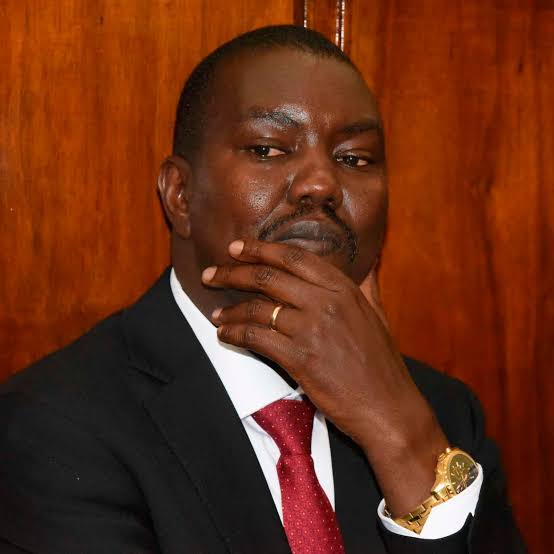
Senator Jackson Mandago
By Mr. Fredrick Kipchumba Chelimo PWD
Email: fkipchelimo@yahoo.com
The acquittal of former Uasin Gishu Governor and current Senator Jackson Mandago, together with his co-accused Meshack Rono and Joshua Lelei, in the controversial KSh 1.1 billion Finland and Canada education programme case has brought a criminal chapter to a close, but it has not brought an end to the suffering of the parents and children affected by the programme. For the victims, the court ruling is not the end of their story. It is another moment in a long journey marked by hope, trust, loss, uncertainty and the search for a way to rebuild lives that have been deeply disrupted.
The court’s decision must be respected. In a constitutional democracy, every accused person is presumed innocent, and criminal guilt must be established through evidence that meets the required legal threshold. The court reportedly found that the prosecution had failed to establish a prima facie case sufficient to require the accused persons to be placed on their defence. That is a judicial determination that must be accepted, regardless of the emotions surrounding the case.
Yet the concept of victimology reminds us that justice cannot be understood only from the perspective of the accused or through the final outcome of a criminal trial. It also requires us to look at the people who suffered harm, how they became vulnerable, what they lost and what happens to them after the legal process ends.
The parents who participated in the programme were not simply financial contributors. They were parents pursuing a better future for their children. Many acted out of hope and trust. They believed that the programme was legitimate because it was associated with public leadership and government institutions. The public pronouncements of the then Governor, Jackson Mandago, and the involvement of government-linked structures gave many families confidence that they were participating in a credible initiative.
Some opened accounts, deposited money, borrowed funds or sold property. They made decisions that, in many cases, could not easily be reversed. Their vulnerability was therefore not merely financial. It was created by the combination of parental hope, economic pressure, trust in public authority and the desire to secure educational opportunities for their children.
When the programme failed to deliver as expected, the consequences went far beyond the loss of money. Some parents were left in debt. Others reportedly lost property or depleted their savings. Some children remained at home instead of pursuing the education they had been promised. In worst cases both parents and children went into depression and some acquired illnesses associated with related desperations. Years that should have been invested in education and personal development were disrupted.
From a victimological perspective, these are not incidental consequences. They are the human realities that must remain at the centre of the public conversation. The court’s acquittal therefore raises an important distinction between criminal liability and victim justice. The court was required to determine whether the prosecution had proved the specific criminal charges against the accused persons. It was not necessarily determining whether every parent had been adequately protected, whether the programme was properly governed or whether every financial loss had been addressed.
That leaves important questions that society must continue to ask. Where did the money go? How much was collected? How much was legitimately spent? How much was refunded? What can still be recovered? Who was responsible for financial oversight? And what can be done for families whose lives were disrupted? These are not necessarily attempts to overturn the court’s decision. They are questions about accountability, governance, public trust and the rights of people who suffered harm.
The intervention by current Uasin Gishu Governor Hon. Jonathan Bii is therefore significant. In his statement dated 27 July 2025, the Governor acknowledged the difficult and painful situation facing the affected parents and children, recognising their concerns as legitimate and deserving of transparent and satisfactory answers. At the same time, he stated that he respects the decision of the court.
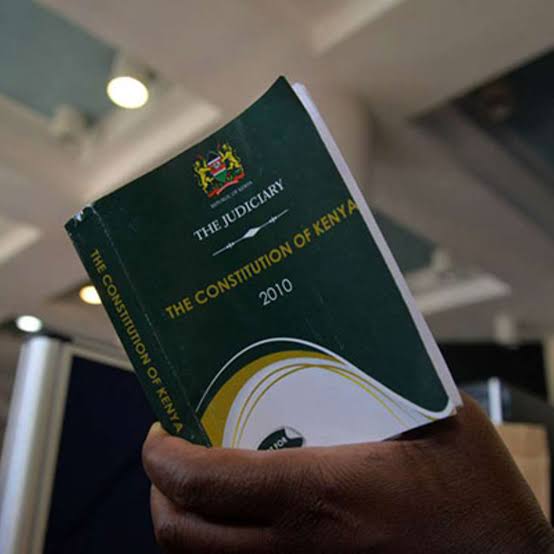
That balance is important. Respecting the judiciary does not require leaders to ignore victims. Nor does acknowledging victims’ suffering require leaders to question the independence of the courts. Governor Bii’s reference to Article 159(2)(c) of the Constitution, which recognises alternative forms of dispute resolution, including reconciliation, mediation, arbitration and traditional dispute resolution mechanisms, offers an opportunity to pursue a broader pathway towards healing and restoration.
The intervention of Kapseret MP Hon. Oscar Sudi also provides an opportunity for collective leadership. His willingness to join hands in seeking a solution to alleviate the suffering of the affected parents and children recognises that the issue should rise above political competition. His reference to Kalenjin values of integrity and the need to avoid creating what he described as a cultural curse adds a moral dimension to the debate.
For the affected families, however, words must now be followed by practical action. A credible response should begin with a transparent and independently verified register of all affected parents and students. It should establish how much each family contributed, what was received and what remains outstanding. A comprehensive financial audit should trace the movement of funds and establish what happened to the money. Where resources are legally recoverable, every lawful effort should be made to recover them.
The victims should also be given a meaningful voice in determining the remedies. They should not be treated merely as statistics in a financial report or witnesses in a concluded criminal case. They are individuals and families whose lives have been altered. Their experiences, needs and expectations must inform any mediation, restitution or recovery framework.
Particular attention should be given to the affected students. Their loss is not simply the money paid by their parents. It is the loss of time, opportunity and momentum in life. Any restorative programme should explore scholarships, educational placements, negotiated university opportunities or other practical interventions that can help them resume their ambitions.
The crisis also offers a lasting lesson for Uasin Gishu and the country. Public trust is a powerful force, and government leaders must recognise the influence of their words. When citizens act because they believe a programme carries government credibility, stronger safeguards are required. No programme involving substantial citizen contributions should be publicly promoted without proper legal structures, independent financial controls, transparent accounts, regular audits, clear risk disclosures and accessible mechanisms for complaints, refunds and dispute resolution.
The Uasin Gishu experience should therefore not become another political battle. It should become a lesson in victim-centred governance. The criminal case may have ended, but the victims remain. Their financial losses remain. Their disrupted education remains. Their questions remain. Justice, therefore, must be understood more broadly than conviction or acquittal. It must include truth, accountability, recovery, restoration and prevention.
Governor Jonathan Bii, Kapseret MP Hon. Oscar Sudi and all other leaders who have expressed concern should now pursue the matter conclusively and adequately, using every lawful avenue available. Where necessary, they should seek the support and intervention of the H.E. The President of the republic and relevant national institutions to ensure that the plight of the affected parents and their children receives the attention, resources and practical solutions it deserves. This should not be approached as a political contest, but as a humanitarian and community responsibility that transcends party interests and individual political ambitions.
If the leaders can come together, respect the court’s decision, mobilise the necessary institutions, trace recoverable resources, facilitate meaningful mediation and develop a credible framework for restitution and educational support, their efforts will not only change the lives of the affected families but also place their names in the right pages of history—in the minds and hearts of the people of Uasin Gishu and, most importantly, in the grateful memories of the parents and children whose lives have been touched by this painful experience.
For Uasin Gishu, the real test is no longer who won or lost the court case. The real test is whether a community can take the pain of its victims seriously, learn from their experience and build institutions that prevent such harm from happening again. The parents trusted. The children hoped. Families sacrificed. The responsibility now rests with those in leadership to ensure that their trust is not forgotten and that their suffering is not allowed to become merely another chapter in the history of failed public programmes.
The greatest legacy leaders can leave is not the power they held, but the lives they helped restore.
Similar Posts by The Mt Kenya Times:
- When viral fame finds ordinary Kenyans: The night the internet decides you are famous
- Mt Kenya Times ePAPER September 17, 2026
- Ruto and Uhuru: The rupture at the heart of Kenya’s 2027 election
- Gakoromone traders and rights group demand closure of sewage discharge
- Retirement is not disenfranchisement: Reclaiming the constitutional rights of Kenya’s former presidents
About the Author