The Mt Kenya Times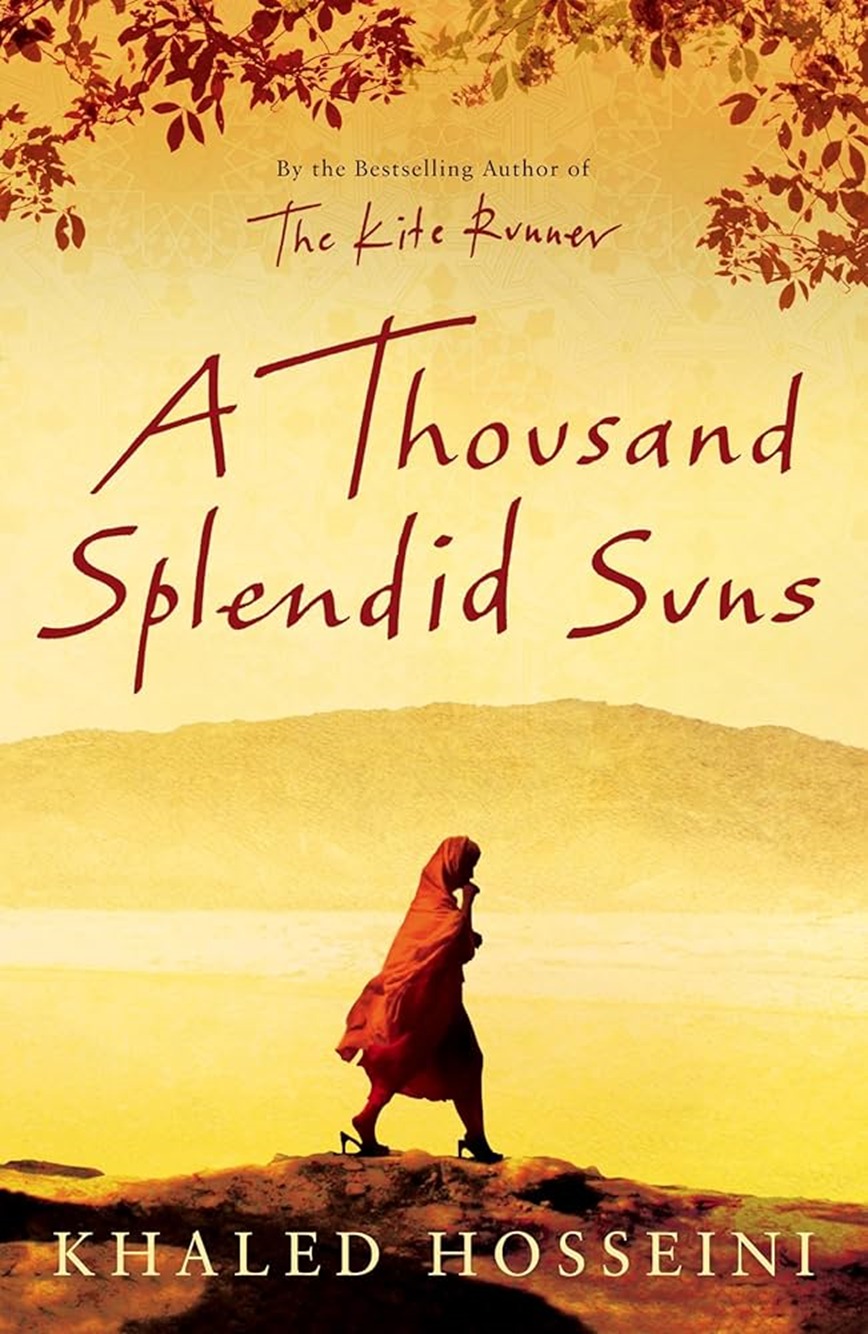
BOOK REVIEW
ATHOUSAND SPLENDID SUNS BY KHALED HOSSEINI
REVIEWD BY Taimoor Ehsan and Tajalla Qureshi
TITLE: A demonstration to the survival as resistance and the indissoluble bond of Afghan women
THE UNIVERSITY OF CHENAB, GUJRAT

THE UNIVERSITY OF CHENAB, GUJRAT
PAKISTAN
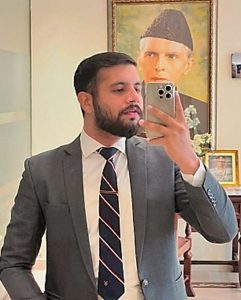
TAIMOOR EHSAN
THE UNIVERSITY OF CHENAB, GUJRAT
PAKISTAN
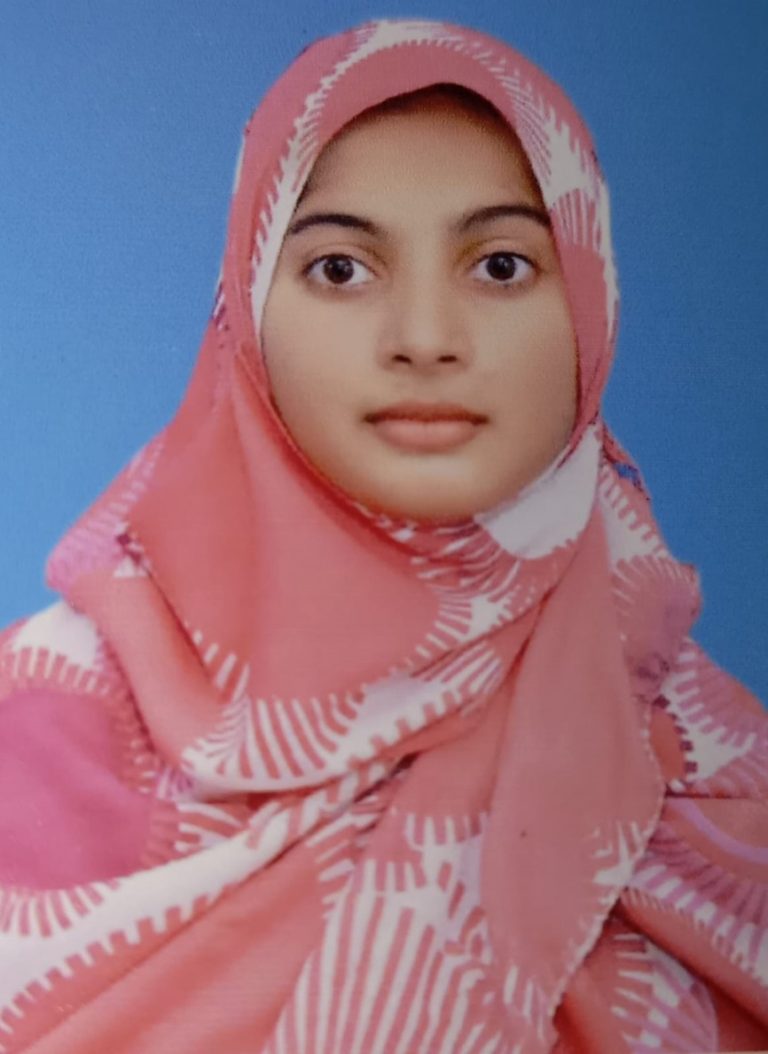
TAJALLA QURESHI
THE UNIVERSITY OF CHENAB, GUJRAT
PAKISTAN
A DEMONSTRATION TO THE SURVIVAL AS RESISTANCE AND INDISSOLUBLE BOND OF AFGHAN WOMEN
In A Thousand Splendid Suns, Khaled Hosseini magnanimously accomplishes a rare feast, he outshines the monumental attainment of his debut, The Kite Runner. Hosseini`s first novel explored the complex terrain of father-son relationship, ethnic tension and integrity and transparency in true friendship,
“Kite is only fascinating in the light
Behind the fascination there’s a price
Love conquers the unconquered sight
One’s life and other’s survive” _
Lines from “For you, a thousand times over by Tajalla Qureshi”
Yet, Hosseini`s A Thousand Splendid Suns drills deeper into bedrock of Afghan society
Afghan women is the locomotive of the survival. Through the intertwined lives of Mariam and Laila, Hosseini Phantasmagorically transforms the domestic sphere, serving as a transitional insight of oppression into a battleground, where every tiny movement is highlighted as victory against patriarchy and ruthlessness. As the novel reflect voices that has broken dreams, burnt resilience, and suppressed reactions.
“To be a woman is to be validly mollified, yet they wrenched but raised”- Taimoor Ehsan
In a world designed to erase them, Mariam and Laila`s core diligence is revolutionary. Hosseini skillfully showcase the survival capacity of Afghan women against wrenching tactics, Rasheed`s fists, belt buckles and locked-starvation strategies portrays the fickleness and sickness of masculine society and outrageous norms. Even the loss, destruction and dismantledness unable to terminates the most surviving lives.
“Strongest can beat the bullets, either hits from a gun or a layered mouth” – Taimoor Ehsan
Hosseini crucially distinguished that the meaning of survival is opposite to submission. When Mariam endure cruelty silently, she preserves a fragment of dignity that men like Rasheed cannot hit. Moreover, when Laila secretly contemplates an escape. The shift that rhetoric endurance into grounding of flight is truly admirable. The novel`s core strength reflects the moment when Mariam murders Rasheed to save Laila`s life. One becomes the protector, savior and guardian and other
“He was still on top of Laila, his eyes wide and crazy, his hands wrapped around her neck. Laila’s face was turning blue now, and her eyes had rolled back. Mariam saw that she was no longer struggling. He’s going to kill her, she thought. He really means to. And Mariam could not, would not, allow that to happen. He’s taken so much from her in twenty-seven years of marriage. She would not watch him take Laila too.”
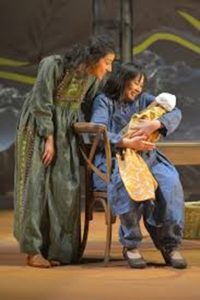
Mariam`s survival fascinates right up until the time comes when she opts sacrifice over continued misery and suffering. It has been a twenty-seven years act of confrontation against a label harami (bastard), entitled by birth. It is a decision to rise up to the clouds even when the body demands to be quite and hidden.
“Survival is the dynamic slapped to distress disasters, manipulations, bombardment of hypocrisy, and devilish strategies” -Tajalla Qureshi
Yet, the survival is double-ended supportive system. It is only meaningful when the realization is at both ends in a bond. As we have seen in Mariam and Laila`s bonding from initial hatred to later understanding and concerns. Although learning through same abuse, bruises, identical exhaustion and familiar oppressed hopes, transform their thoughts as the time passes and situations pooped them, they reckon each other. Confessions and acceptance ease heart and freeze fickle emotions. Mariam`s confession was her mother’s death and Laila`s sharing of her parent’s sorrowful departure, becoming the eyewitness of each suffering. They open a window to stay away from abuse and fickleness, breathable for them.
“And yet she was leaving the world as a woman who had loved and been loved back. She was leaving it as a friend, a companion, a guardian. A mother. A person of consequence at last. No. It was not so bad, Mariam thought, that she should die this way. Not so bad. This was a legitimate end to a life of illegitimate beginnings.”
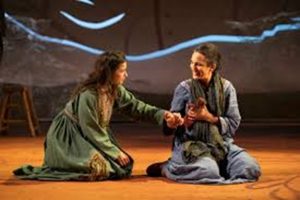 Above verses highlights the Mariam`s entire existence from illegitimate, inconsequential and unwanted to an architect of meaning, resistance and survival. Resilience and sacrifice through suffering, pain and distress can lead to a powerful destination, only when the inner is worth- accepting and enduring. Stepping towards self- satisfaction and peace is the entire game. It truly captures the senses who skillfully and artistically Hosseini portrays resistance as resilience, power and strength over silence and suffering.
Each woman who survives and endures becomes a sun, concealed behind walls but still exceptional. A Thousand Splendid Suns spotlights that Afghanistan remains wounded as Mariam dies and Laila carries grief. Through brutality, Hosseini finds something admiring, the courage and capacity of women, once they decide to shift and remains other slip. In that case survival become legacy and legacy never forget, only celebrated. Closing my review with some enaging verses:
“Newness wakes after a decade
Decade of dullness and bone headedness
Create the covering cure and activeness
Yet, unwrap the belief, yet unwrap the belief
We, vulnerable, we, vulnerable”- Lines from Revival by Tajalla Qureshi
Fragile and vulnerable are a soulful example of strength and resilience when they reckon their worth and the worth matters the most. Worth must be given to the self for the first.
Similar Posts by The Mt Kenya Times:
- Not every struggling student is lazy
- Laikipia University: A natural haven for learning
- Why you should not milk a Kenyan buffalo
- Beyond the scars: The grief, fear and hope of living after breast cancer
- Obaga Momanyi hosts free medical camp for Persons with Disabilities in Bonchari
About the Author