Michael Carrick
Manchester United manager insists the performances warrant optimism, even as points continue to slip away
By Pascal Okoth
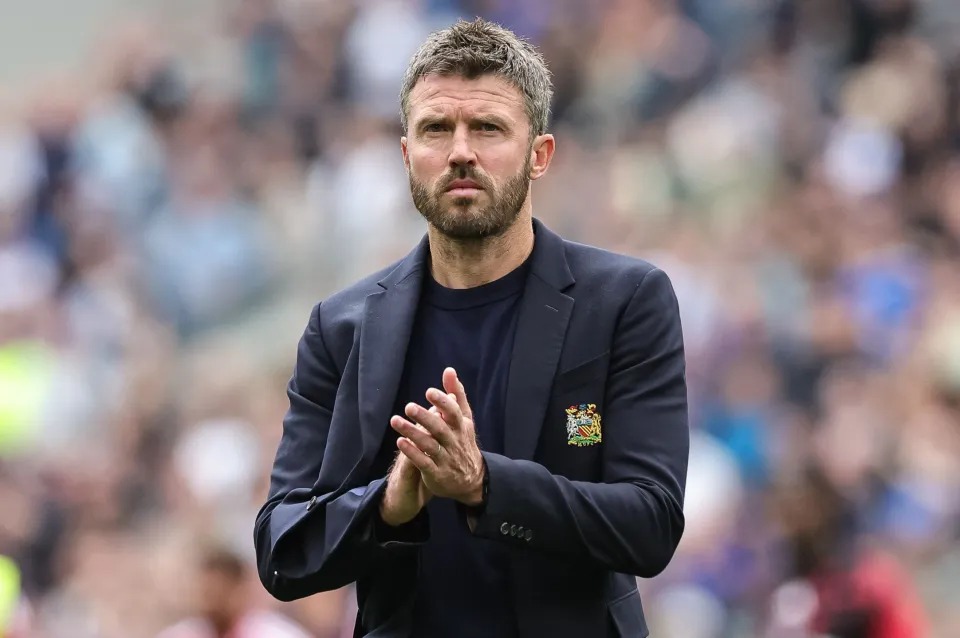
Michael Carrick is not ready to panic. Despite a mixed opening to the season that has left Manchester United sitting 11th in the Premier League table, the United manager insists there is enough in his side’s performances to warrant confidence rather than concern.
United’s start has been a study in contrasts: a 2-0 defeat to Hull City on the opening day, a thumping 5-2 win over Ipswich Town, and a 2-2 draw at Everton yesterday in which they led twice only to be pegged back in stoppage time. Four points from three games is not the platform Carrick would have wanted, but he is not about to concede that the wheels have come off.
“We haven’t started the season that bad, to be honest,” Carrick said after the Everton draw. “It could have been better… but we were that close to coming away with three points also against Everton.”
His frustration was understandable. United led at Hill Dickinson Stadium twice and appeared to be closing out the match before a late equaliser denied them. For Carrick, it is those small margins — rather than any deeper structural problem — that have prevented the side from picking up more points.
The biggest area he has identified for improvement is defensive concentration. United have conceded in ways that have undone otherwise encouraging performances, and Carrick is clear that cutting out those errors will be central to turning momentum into results.
“Little moments that we can deal with a bit better, but we’ll be fine,” he said. “We need to concede fewer goals to then give us a better chance of winning games, but we will improve very soon.”
For Carrick, defending is not merely the responsibility of the back line. The entire team must contribute — maintaining concentration, protecting possession and responding more decisively when opponents create dangerous moments.
He has also been at pains to highlight what he believes has been working. Despite the points dropped, Carrick has found genuine encouragement in the quality of United’s play across all three matches.
“There was a lot of good things against Everton that we can move forward,” he said, “same vs Hull City — and Ipswich Town as well.”
That assessment reflects a coaching staff looking beyond the scoreline when evaluating progress. United have created chances, controlled periods of matches and shown a competitive edge. The challenge now is to convert those qualities into the winning habit that the club demands.
The pressure will only grow as the season develops, particularly while close matches continue to go against them. Carrick, however, appears convinced that the gap between where United are and where they need to be is small. A few adjustments — principally in defensive situations — could, he believes, shift the picture considerably.
For the squad, the message from their manager is one of belief rather than alarm. Carrick is asking his players to learn from the details that have cost them points while continuing to build on what has been working. The immediate fixtures will offer an early test of whether that message is landing.
The objectives are clear enough: concede fewer goals, handle the closing stages of tight matches with greater composure and turn promising performances into three points. If United can achieve those things, Carrick believes a difficult start can quickly be left behind.
For a club of Manchester United’s standing, there is little room for patience to stretch too far. But at this stage, the manager’s composure looks less like denial and more like a reasoned read of a side that is closer to finding its rhythm than the table currently suggests.
Similar Posts by The Mt Kenya Times:
- Mt Kenya Times ePAPER October 26, 2026
- Sakaja challenges Kamukunji police over Eastleigh suspect bail
- Muturi demands binding livestreaming rules for 2027 polls to prevent repeat of 2022 chaos
- NTSA calls for road safety to be declared a national disaster after 24 die in Mtito Andei crash
- Ruku turns on Waiguru over deputy president ambitions: ‘That seat is not being contested for’
About the Author