The Mt Kenya Times
National Crisis Communication Standing Committee meeting, chaired by Principal Secretary for Broadcasting and Telecommunications Stephen Isaboke and attended by Government Spokesperson Charles Owino alongside officials from State departments and agencies

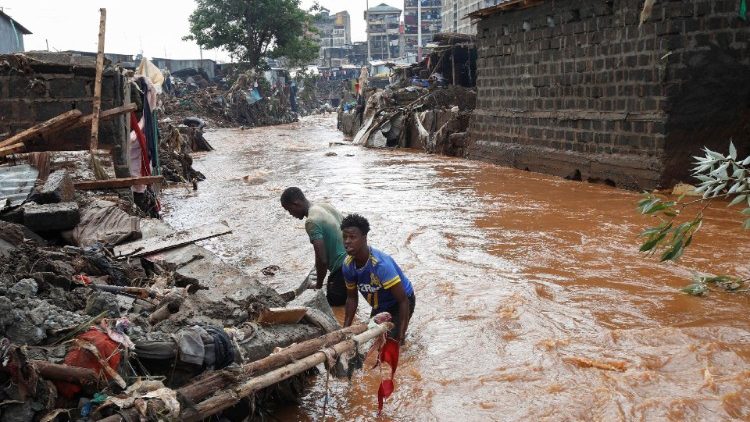
As El Niño threatens, the government’s last-mile communication gap risks turning a weather emergency into a governance failure
By James Kilonzo Bwire
The government’s decision to strengthen crisis communication ahead of the anticipated 2026 El Niño rains is timely and necessary. Weather-related emergencies do not test only drainage systems, roads, bridges, health facilities and emergency services. They also test the quality, speed and credibility of communication between public institutions and citizens. When people do not receive accurate information in good time, even well-prepared response plans can fail to protect lives and property.
The inaugural National Crisis Communication Standing Committee meeting, chaired by Principal Secretary for Broadcasting and Telecommunications Stephen Isaboke and attended by Government Spokesperson Charles Owino alongside officials from State departments and agencies, correctly identified last-mile communication as a major weakness in disaster preparedness. The concern goes beyond producing official statements. It is about ensuring that warnings, instructions and updates reach people in forms they can understand and act upon — including those in remote areas, informal settlements and locations with limited access to reliable communication channels.
Crisis communication must be treated as an essential component of national preparedness, not an afterthought activated only after disaster strikes. Communities need information before heavy rains begin, during emergencies and throughout recovery. They need to know expected weather conditions, the risks in their areas, the actions they should take, the locations of safe facilities and the institutions responsible for assistance. Without this, citizens are forced to rely on rumour, unverified social media posts or second-hand accounts from people who are themselves uncertain about the situation.
The proposed crisis communication playbook is an important step. A functional framework should define who communicates, what information must be verified, how quickly messages must be released and how national agencies will coordinate with county governments. It should also provide clear procedures for evacuations, emergency medical support, temporary shelter, road closures and protection of essential services. The plan must be practical enough to guide officials under pressure and flexible enough to respond to conditions across a country as diverse as Kenya.
That value will only be realised if the playbook reaches beyond Nairobi. National communication provides direction, but counties and local administrations are closer to people affected by floods, landslides, damaged roads and displacement. County officials, chiefs, village administrators, health workers, teachers, religious leaders and community organisations all carry public information to households. A message that remains within government offices or appears only on national television is not an effective warning.
Last-mile communication must also account for Kenya’s social, geographic and linguistic diversity. Many people receive information through local radio, public gatherings, mobile phones and community leaders. Others face barriers of limited literacy, restricted electricity access or unreliable internet connectivity. Crisis messages should therefore be delivered through multiple channels, in language that is simple, direct and locally understandable. Communication that assumes every citizen uses social media or has continuous access to broadcast media will leave people behind.
Timing matters as much as reach. A warning issued too late leaves families with no opportunity to move to safety, protect documents, secure livestock or seek medical help. A vague warning causes confusion. One that is exaggerated erodes public trust. The government must communicate what is known, what remains uncertain and what citizens should do — avoiding both complacency and alarmism in equal measure.
The language public officials use will shape how the public responds. Reassuring citizens that there is no cause for panic is reasonable, but reassurance must be accompanied by clear guidance and visible evidence of preparation. People should not be encouraged to ignore warnings because conditions have not yet deteriorated. What the public needs is calm, honest communication that supports early action and frames taking precautions as responsible, not fearful.
Crisis communication also requires robust verification of information. During severe weather, false reports spread quickly and interfere with rescue efforts. Misleading claims about road closures, evacuation centres or relief supplies can expose people to further danger. Government agencies should provide regular, clearly identifiable updates so citizens and media can distinguish verified information from speculation. Corrections must be issued promptly whenever inaccurate information circulates.
The media remains a vital partner. Journalists need timely access to responsible officials and technical experts who can explain weather forecasts in plain language. Local radio stations deserve particular attention — they serve communities that national platforms cannot reach effectively. Supporting them with accurate updates enables responsible reporting without unnecessary alarm. That cooperation, however, should not mean controlling information. Public trust is reinforced when journalists ask difficult questions and officials answer honestly.
Communication must also allow government to listen. A system that transmits only from officials to citizens is incomplete. Communities should be able to report blocked roads, rising water levels, damaged infrastructure and urgent health needs. Feedback from residents helps authorities identify emerging risks that have not yet appeared in formal reports. The proposed framework should include channels for receiving, verifying and acting on information from the public.
The focus on last-mile communication raises pressing questions about resources. Counties cannot deliver effective emergency communication without trained personnel, reliable equipment and funds for public outreach. Communication officers should be included in preparedness planning from the outset, not brought in only after an emergency develops. Training must cover risk communication, media relations, misinformation and engagement with vulnerable groups.
The most vulnerable communities must remain at the centre of the communication strategy. People in flood-prone settlements, families with members who have disabilities, older people, children, farmers and low-income households may face greater difficulty acting on warnings. Communication should identify the additional support these groups require and make clear where help can be obtained, how emergency services can be contacted and what arrangements exist for shelter and essential supplies.
Trust is the foundation of the entire effort. Citizens are more likely to follow evacuation orders and safety instructions when they believe public institutions communicate honestly. That trust is built through consistency, openness and visible action. It is weakened by unexplained delays, contradictory messages and promises not matched by preparedness on the ground.
Kenya needs a crisis communication system that is coordinated nationally, responsive locally and accountable to the public. The recognition of last-mile communication as a preparedness gap is welcome. The next step must be closing it — through clear responsibility, adequate resources, verified information, accessible channels and continuous public engagement. If communication is treated as a core component of emergency management, the country will be better placed to protect lives and respond with confidence when severe weather arrives.
Similar Posts by The Mt Kenya Times:
- Mt Kenya Times ePAPER October 20, 2026
- Ruto rallies Kalenjin elders in Rift Valley unity push
- Sonko bid to nullify impeachment judgments fast-tracked in court
- Arrest the sponsors, not just the foot soldiers, Kalonzo tells police
- Police and politics shut down Kitale’s busiest market
About the Author